企业多元化战略

Search documents
半年狂飙近千家,备受争议的“董明珠健康家”搞咋样了?
Sou Hu Cai Jing· 2025-09-29 14:33
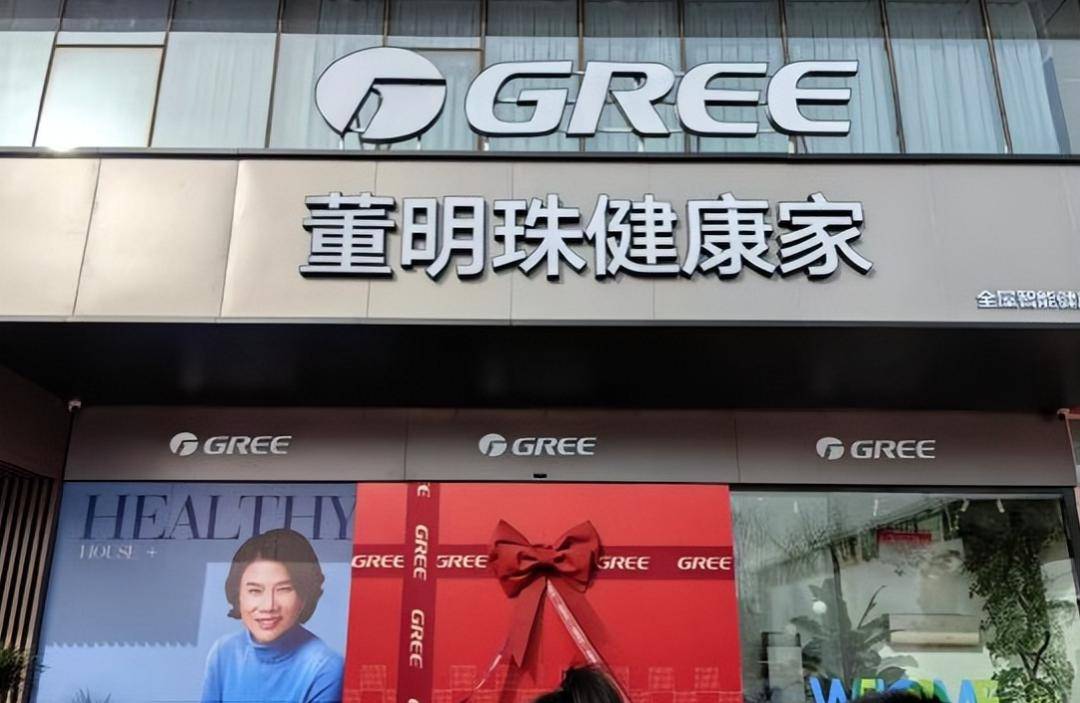
Core Insights - Gree Electric Appliances is rapidly expanding its "Dong Mingzhu Healthy Home" initiative, with over 970 stores established nationwide within six months of its launch in Beijing [4][6][7] - The company aims to reshape consumer perceptions that associate Gree solely with air conditioning, offering a comprehensive home appliance solution through innovative store designs [2][19] - Despite the growth in store numbers, Gree faces challenges with declining revenue in its core air conditioning segment, which saw a 5.09% decrease in revenue during the first half of the year [18][19] Expansion and Strategy - The "Dong Mingzhu Healthy Home" stores are part of Gree's diversification strategy, leveraging the personal brand of its leader, Dong Mingzhu, to attract consumer attention and drive sales [3][14] - Gree plans to continue expanding the "Dong Mingzhu Healthy Home" concept, with a target of 3,000 stores by the end of the year, focusing on a "mature one, open one" approach [7][22] - The initiative has already shown positive results, with significant sales increases in non-air conditioning categories, such as a 40% rise in water purification products [7][8] Financial Performance - Gree's total revenue for the first half of the year was 976.19 billion, reflecting a 2.66% decline year-on-year, while net profit increased by 1.95% to 144.12 billion [18][19] - The company's core consumer electronics segment, primarily air conditioning, accounted for 78.38% of total revenue but faced a 5.09% decline [19][20] - Gree's industrial products and green energy segments showed promising growth, with revenues increasing by 17.13% and 20.9% respectively, although their overall contribution remains limited [24][25] Market Challenges - Gree is experiencing pressure from a changing market environment, with a notable shift towards lower-priced air conditioning units, which poses a challenge to its high-end positioning [20][22] - The perception of Gree as solely an air conditioning brand is a significant barrier to the company's efforts to diversify its product offerings [22] - The company must navigate competitive pressures, particularly from rivals like Xiaomi, as it seeks to maintain its market share in the air conditioning sector [22]


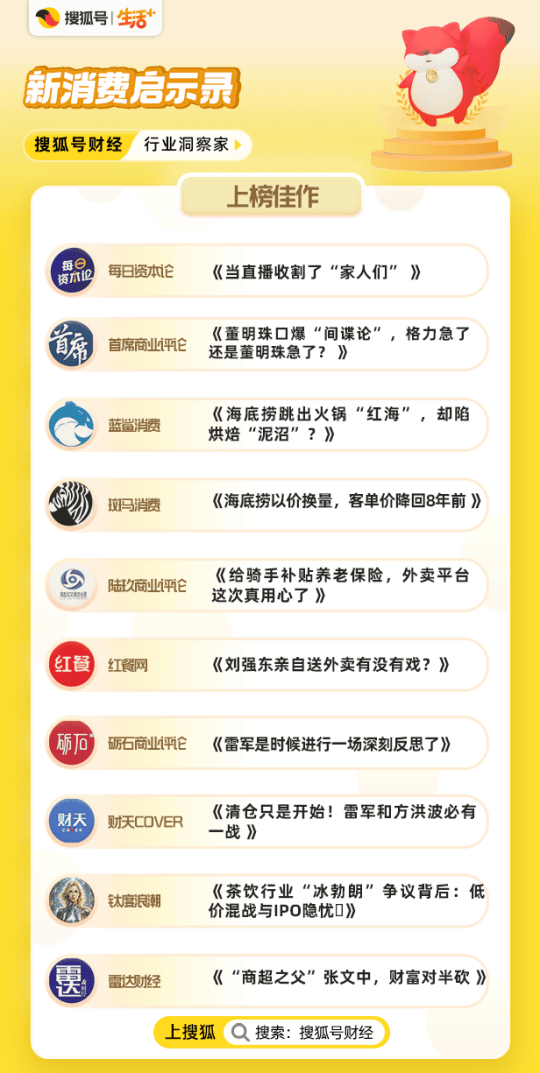
直播“坑”家人们,董明珠急了,骑手不需要社保,京东外卖没戏?|行业洞察家
Sou Hu Cai Jing· 2025-05-09 10:18
Group 1 - The article highlights the changing consumer behavior during the May Day holiday, emphasizing that consumers are not just purchasing products but are investing in their preferred lifestyles, which include aspects like individuality, affordability, and sustainability [1] Group 2 - The article discusses the similarities between live-streaming e-commerce and traditional TV shopping, noting that both face issues of trust and credibility, which could lead to a decline in the live-streaming sector if not addressed [3] Group 3 - The article raises concerns about Gree Electric Appliances and its leadership under Dong Mingzhu, suggesting that her recent comments reflect worries about the company's future, and outlines four strategic areas for Gree to focus on for recovery [5] Group 4 - The article analyzes Haidilao's entry into the baking industry, acknowledging its strong brand influence and loyal customer base, while also pointing out the challenges it faces in adapting to a completely different product category [7] Group 5 - The article reports on Haidilao's declining average customer spending, which has dropped to 99.1 yuan in 2023 and is projected to fall further to 97.5 yuan in 2024, indicating a return to pricing levels seen in 2017 [9] Group 6 - The article discusses the necessity of social security for delivery riders, highlighting a survey that shows a significant portion of riders are unwilling to contribute to social security, indicating a need for reform in how social security is approached for gig economy workers [11] Group 7 - The article critiques JD.com's efforts in the food delivery market, suggesting that its strategies are outdated and unlikely to succeed in the current "stock economy" phase of the restaurant industry [14] Group 8 - The article expresses concerns about Xiaomi's rapid entry into the automotive sector under Lei Jun, suggesting that the quick development of a vehicle may compromise quality and safety [16] Group 9 - The article discusses Midea Group's decision to liquidate its shares in Xiaomi, interpreting it as a shift from a cooperative relationship to a competitive one in the smart home ecosystem [19] Group 10 - The article highlights the challenges faced by the tea beverage industry, particularly with low-cost competition leading to a detrimental cycle of sacrificing profits for market share, which could harm brand trust [21] Group 11 - The article details the significant decrease in Zhang Wenzhong's wealth, noting that his fortune has halved to 10 billion yuan, and reflects on his entrepreneurial journey and the challenges faced by his company, Wumart [22][23]