会员仓储超市

Search documents
国庆假期依然空荡,这代人为什么不爱逛超市了?
吴晓波频道· 2025-10-05 00:29
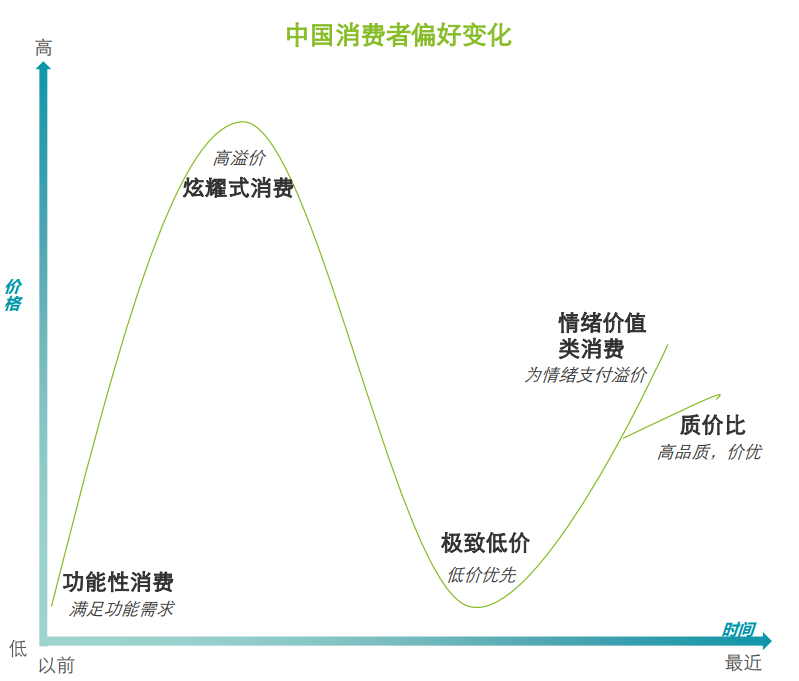
Core Viewpoint - Traditional supermarkets are struggling to adapt to changing consumer behaviors and competition from e-commerce, leading to a decline in their market presence and sales [5][9][49]. Group 1: Current State of Supermarkets - Many traditional supermarkets are experiencing a significant drop in foot traffic and sales, with a projected net closure of 687 stores in 2024, a 23.6% increase from 2023 [5][21]. - The market for supermarkets is not shrinking overall, as the total sales are expected to grow by 2.7% in 2024, indicating a market share shift rather than an industry decline [21][22]. - The decline is particularly pronounced among traditional large-format stores, which are caught in a vicious cycle of poor business performance leading to further declines in quality and sales [22][41]. Group 2: Factors Contributing to Decline - Traditional supermarkets are losing their competitive advantages in channels, convenience, and business models due to the rise of e-commerce and instant retail [9][10]. - The shift in consumer preferences towards online shopping and instant delivery services has diminished the appeal of physical supermarkets [12][14]. - Complaints regarding poor service, product quality, and shopping experience have further alienated consumers from traditional supermarkets [16][18]. Group 3: Successful Adaptation Strategies - Membership warehouse models are gaining traction, focusing on quality and efficiency, with Sam's Club achieving a net sales figure of 100.5 billion RMB in 2024, a growth of over 20% [23][24]. - Online transformation into "cloud supermarkets" is being adopted, emphasizing efficiency and reduced operational costs through smaller warehouse setups [26][27]. - The "Pang Donglai" model emphasizes emotional value through superior product offerings and customer service, with significant sales increases reported after adopting this approach [28][31]. - Hard discount models are emerging, focusing on a limited selection of essential products at lower prices, appealing to cost-conscious consumers [32][34]. Group 4: Challenges in Transformation - Significant restructuring efforts can lead to short-term financial pain, as seen with Yonghui's revenue decline of 20% after closing unprofitable stores [41][42]. - The cost advantages of traditional supermarkets are eroding, making it difficult to compete with more agile online models [44][45]. - The transition to an integrated store-warehouse model presents logistical challenges and high operational costs, complicating the adaptation process for traditional supermarkets [42][44]. Group 5: Future Outlook - The future of retail may not hinge on low prices but rather on providing value that justifies higher costs, reflecting a shift in consumer expectations [49][50]. - The evolution of consumer preferences towards quality and emotional value suggests that traditional supermarkets must innovate to remain relevant in a rapidly changing market [49][50].


什么都卖的大超市,正在被挤出市中心?
Hu Xiu· 2025-06-06 03:46
Core Viewpoint - Traditional supermarkets in China, once thriving, are now struggling to adapt to changing consumer preferences and competition from new retail formats, leading to a significant decline in their market position [5][12][13]. Group 1: Traditional Supermarkets' Decline - Traditional supermarkets like RT-Mart have faced unprecedented operational pressures, leading to a sale at a significant loss to Dehong Capital [7]. - RT-Mart's parent company, Gaoxin Retail, reported a slight revenue decline of 1.4% year-on-year for the fiscal year 2025, despite achieving a net profit of 386 million yuan, indicating ongoing challenges in its transformation journey [9]. - Other traditional supermarkets such as Wumart, Carrefour, and Yonghui are also experiencing downturns and are attempting to regain growth through store upgrades and operational adjustments [10]. Group 2: Shift in Consumer Preferences - New retail formats like Pinduoduo, Hema, Sam's Club, and Costco are attracting younger consumers by offering not just products but also lifestyle experiences [11][12]. - The rise of "instant retail" and membership warehouse models has created a stark contrast to traditional supermarkets, which are losing relevance as consumer preferences shift towards convenience and unique shopping experiences [30][31]. - The market for instant retail in China has surpassed 650 billion yuan in 2023, with a compound annual growth rate of 56%, while traditional supermarkets face declining revenues and store closures [32]. Group 3: Evolution of Retail Formats - The traditional supermarket model is being challenged by a trend towards smaller, more efficient retail formats that cater to urban consumers' fast-paced lifestyles [35][36]. - New retail models focus on a limited selection of high-quality products, enhancing shopping efficiency and brand loyalty, contrasting with the overwhelming variety offered by traditional supermarkets [37][38]. - The emergence of private label brands and exclusive products in new retail formats has shifted consumer expectations, making traditional supermarkets' offerings seem less appealing [39][40]. Group 4: Future Directions for Traditional Supermarkets - Traditional supermarkets are beginning to recognize the need for transformation, inspired by successful models like Pinduoduo, which emphasize customer experience and emotional engagement [54][55]. - RT-Mart is exploring partnerships and pilot projects to enhance its fresh food processing capabilities and reposition stores as community commercial centers [59]. - The evolution of consumer preferences necessitates a fundamental rethinking of how traditional supermarkets operate, focusing on understanding and meeting modern consumer needs [61].