黑森林蛋糕

Search documents
知名品牌突然被曝闭店!江苏有门店已搬空
Sou Hu Cai Jing· 2025-10-13 04:22
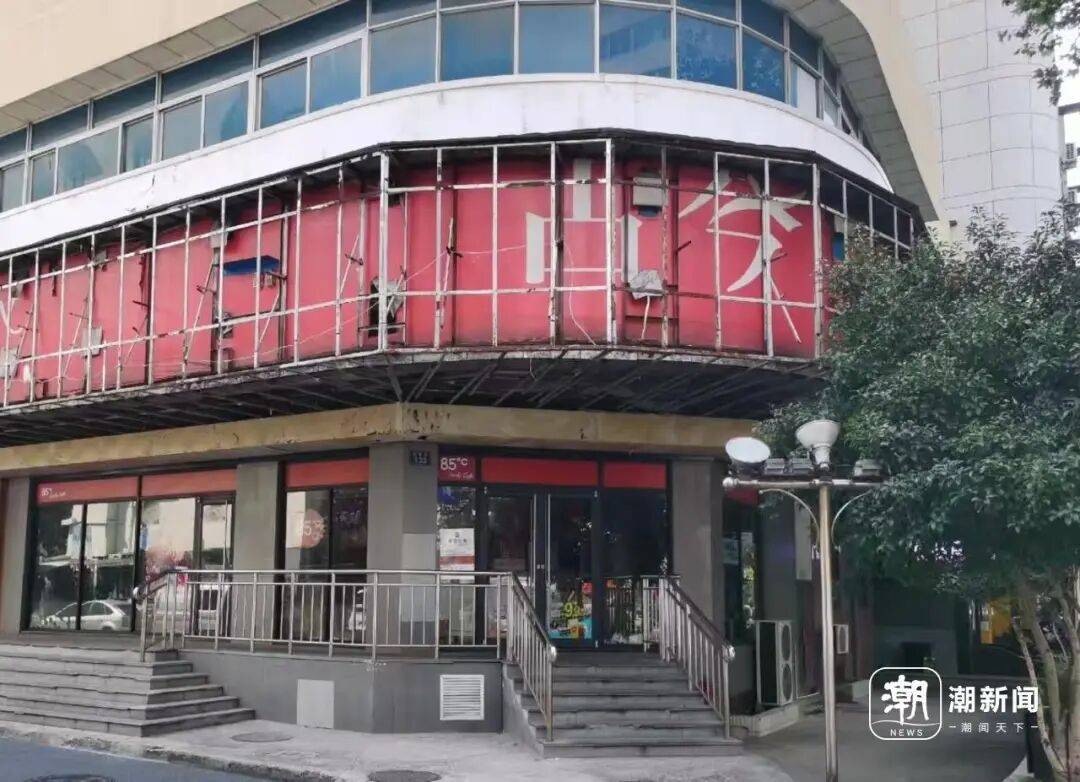
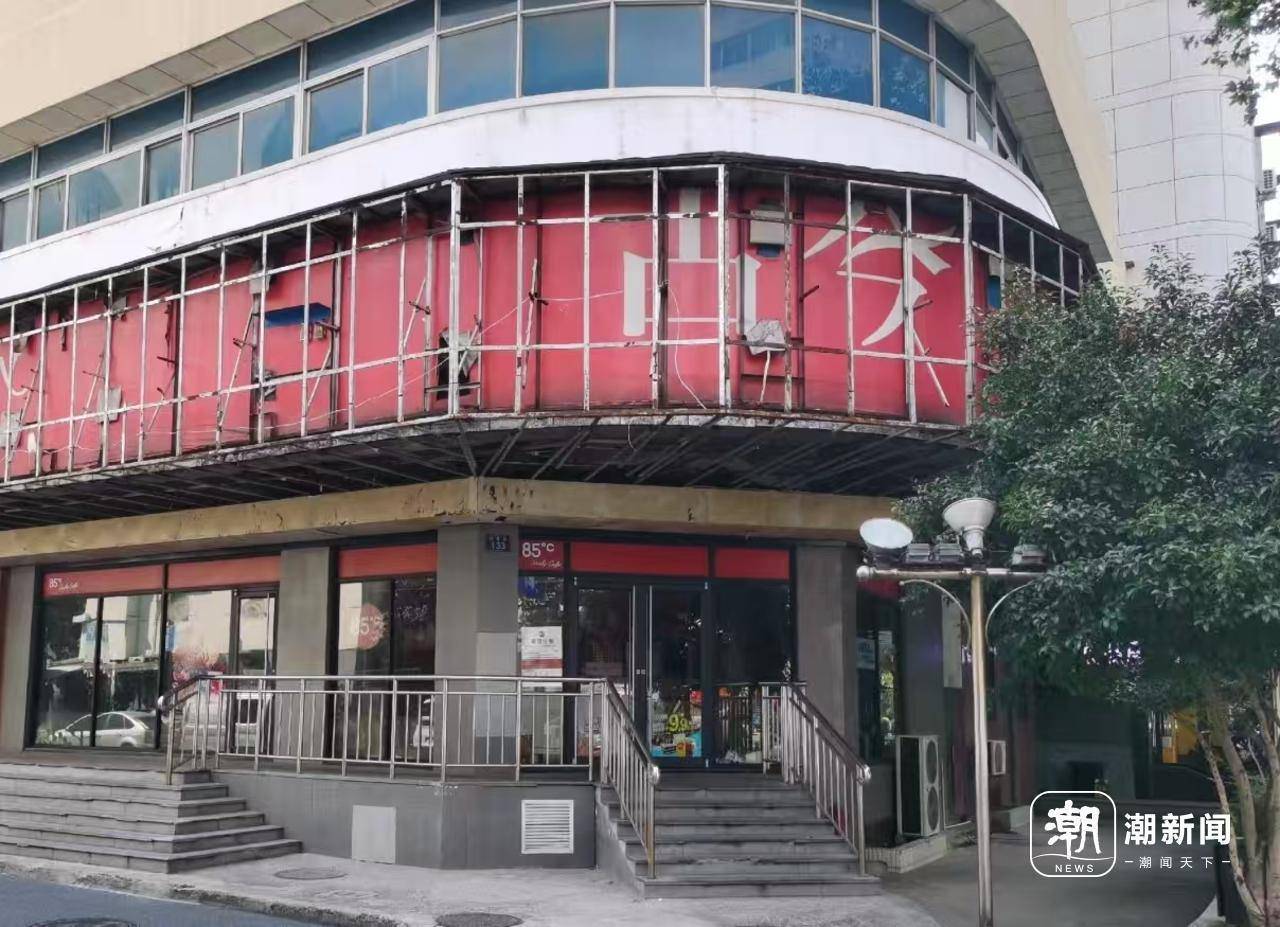
Core Insights - The well-known bakery chain 85°C has announced multiple store closures, raising concerns about its business viability [1] Group 1: Store Closures - Several 85°C locations in Hangzhou have closed, including the Qingchun store, which has already removed its logo and furniture [3] - Additional closures in Hangzhou include the Binjiang store (closing on October 15) and the Jiangcheng Road store (closed on September 30) [3] - In Shanghai, some 85°C stores are reported to be "temporarily closed" [5] - Similar reports of temporary closures have emerged from Nanjing and Wuxi, indicating a broader trend of store shutdowns [9][17] Group 2: Company Background - 85°C was established in 2003 in Taiwan and expanded aggressively into mainland China in 2007, opening nearly 100 stores annually at its peak [17] - Recent financial reports indicate a slowdown in growth, with a rapid reduction in store count over the past two years [17] Group 3: Customer Sentiment - The closure of 85°C has evoked nostalgia among customers, many of whom have fond memories associated with the brand, highlighting its significance as a popular gathering place in the past [18]

曾是许多人的回忆,杭州庆春路这家老烘焙店关门,余额可去这里消费
Sou Hu Cai Jing· 2025-10-12 07:20
Core Insights - The closure of 85°C stores in Hangzhou has raised significant public attention, particularly regarding the long-standing presence of the brand in the area [1][3][10] Company Overview - 85°C, founded in 2003 in Taiwan, expanded aggressively into mainland China starting in 2007, opening nearly 100 stores annually at its peak [7][9] - The brand was once a popular destination for young consumers, known for its signature products like the "Caesar Emperor" bread [7][10] Recent Developments - Three 85°C locations in Hangzhou have recently closed, including the iconic store on Qingchun Road, which had been operating for over a decade [3][6] - The closures are attributed to rising rental costs and increased competition in the bakery sector, leading to a rapid reduction in store numbers over the past two years [6][9][10] Market Context - The bakery industry is experiencing intensified competition and a market reshuffle, with rising operational costs impacting established brands like 85°C [10] - The brand's growth has slowed in recent years, as indicated by financial reports, reflecting broader challenges within the industry [9][10]
山姆,还要背刺中产多少次?
Hu Xiu· 2025-10-02 13:10
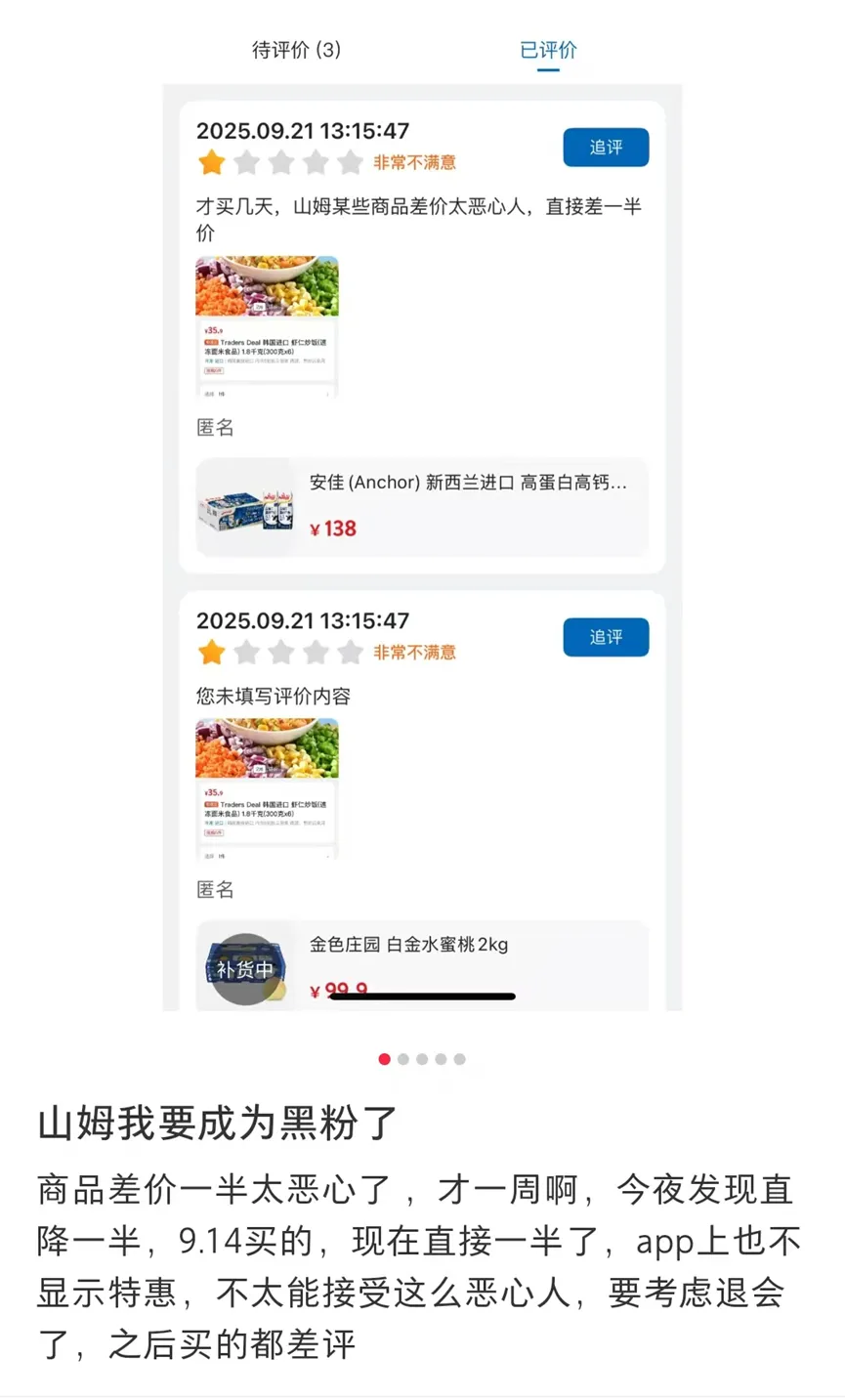
Core Insights - Sam's Club, once viewed as a "beacon of quality living" for middle-class families, is experiencing a decline in trust among its members [1] - Recent controversies, including price discrepancies and quality issues, have led to dissatisfaction among consumers [2][3] Price and Quality Trust Issues - A viral topic highlighted a significant price difference for the same snack, with Sam's Club charging 99.9 yuan while a discount channel offered it for 39.9 yuan [3] - Members are questioning the value of their annual membership fees, which can amount to several hundred yuan, as they feel misled by the perceived quality and pricing [4][10] - Complaints about price drops shortly after purchases have increased, with members expressing frustration over lack of price protection [10][16] - Quality concerns have emerged, with reports of spoiled or defective products, leading to a loss of trust in the brand [17][20][24] Strategic Adjustments and Controversies - The recent controversies are attributed to changes in the management team, particularly the departure of former president Wern-Ander and the appointment of Jane Ewing [36][37] - Ewing's strategy focuses on rapid expansion, data-driven operations, and cost reduction, which has led to a streamlined supply chain and product development process [38][39][42] - Despite impressive sales figures, the core issue remains the trust that members place in the brand, which is essential for the membership model [51][55] - The rapid expansion and shortened product cycles have raised questions about the consistency of product selection and quality standards [54][55]

山姆,还要背刺中产多少次?
凤凰网财经· 2025-10-02 12:34
Core Viewpoint - Sam's Club, once regarded as a "beacon of quality living" for middle-class families, is experiencing a gradual erosion of trust among its members due to pricing discrepancies and quality issues [1][4]. Pricing and Quality Trust Issues - A recent incident where a popular snack was priced at 99.9 yuan at Sam's Club but only 39.9 yuan at a discount channel has raised concerns among members about the value of their membership fees [2][3]. - Members are increasingly vocal about their dissatisfaction, with complaints about significant price drops shortly after purchases and a lack of notification regarding discounts [6][12]. - Quality issues have also surfaced, with reports of spoiled products and discrepancies in product quality, leading to a growing sense of betrayal among consumers [12][14][20]. Management Changes and Strategic Adjustments - The recent controversies have been attributed to changes in the management team, particularly the departure of former president Wen Andhuai and the appointment of Jane Ewing as acting president [26][27]. - Ewing has initiated strategic adjustments focusing on rapid expansion, data-driven operations, and cost reduction, which have led to a significant shortening of the product development cycle from 12-18 months to 3-6 months [28][33]. - Despite impressive sales figures, the core issue remains the trust that members place in the brand, which is essential for long-term stability and growth [42]. Performance Metrics - In 2024, Sam's Club's market revenue exceeded 100 billion yuan, accounting for nearly two-thirds of Walmart China's overall performance [37]. - The sales figures for 2025 show continued growth, with net sales reaching 6.7 billion USD (approximately 48.2 billion yuan) in the first quarter, a year-on-year increase of 22.5%, and 5.8 billion USD (approximately 41.6 billion yuan) in the second quarter, a 30.1% increase [39]. - The aggressive store expansion strategy is evident, with plans to open 8 new stores in 2025, marking a record number of openings since entering the Chinese market [41].
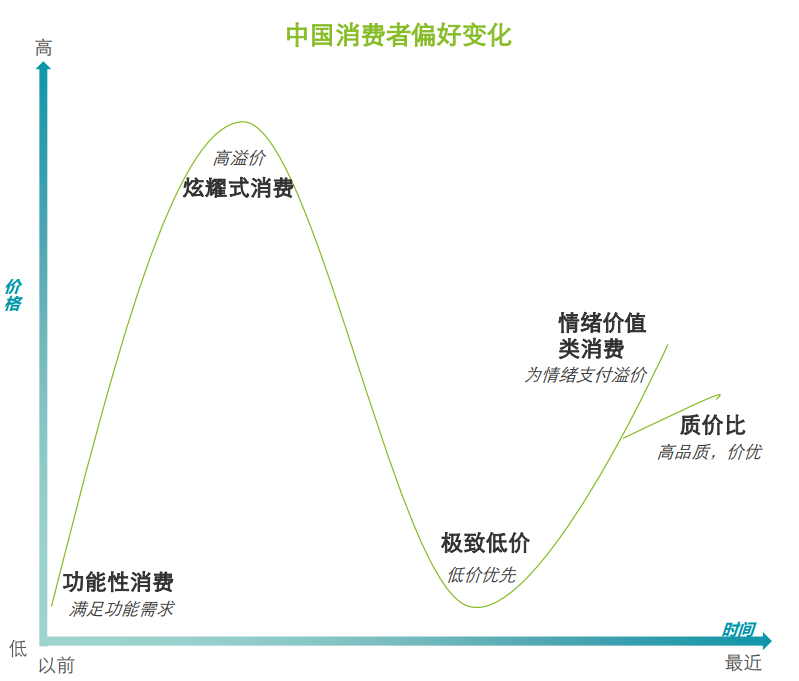
什么都卖的大超市,正在被挤出市中心?
Hu Xiu· 2025-06-06 03:46
Core Viewpoint - Traditional supermarkets in China, once thriving, are now struggling to adapt to changing consumer preferences and competition from new retail formats, leading to a significant decline in their market position [5][12][13]. Group 1: Traditional Supermarkets' Decline - Traditional supermarkets like RT-Mart have faced unprecedented operational pressures, leading to a sale at a significant loss to Dehong Capital [7]. - RT-Mart's parent company, Gaoxin Retail, reported a slight revenue decline of 1.4% year-on-year for the fiscal year 2025, despite achieving a net profit of 386 million yuan, indicating ongoing challenges in its transformation journey [9]. - Other traditional supermarkets such as Wumart, Carrefour, and Yonghui are also experiencing downturns and are attempting to regain growth through store upgrades and operational adjustments [10]. Group 2: Shift in Consumer Preferences - New retail formats like Pinduoduo, Hema, Sam's Club, and Costco are attracting younger consumers by offering not just products but also lifestyle experiences [11][12]. - The rise of "instant retail" and membership warehouse models has created a stark contrast to traditional supermarkets, which are losing relevance as consumer preferences shift towards convenience and unique shopping experiences [30][31]. - The market for instant retail in China has surpassed 650 billion yuan in 2023, with a compound annual growth rate of 56%, while traditional supermarkets face declining revenues and store closures [32]. Group 3: Evolution of Retail Formats - The traditional supermarket model is being challenged by a trend towards smaller, more efficient retail formats that cater to urban consumers' fast-paced lifestyles [35][36]. - New retail models focus on a limited selection of high-quality products, enhancing shopping efficiency and brand loyalty, contrasting with the overwhelming variety offered by traditional supermarkets [37][38]. - The emergence of private label brands and exclusive products in new retail formats has shifted consumer expectations, making traditional supermarkets' offerings seem less appealing [39][40]. Group 4: Future Directions for Traditional Supermarkets - Traditional supermarkets are beginning to recognize the need for transformation, inspired by successful models like Pinduoduo, which emphasize customer experience and emotional engagement [54][55]. - RT-Mart is exploring partnerships and pilot projects to enhance its fresh food processing capabilities and reposition stores as community commercial centers [59]. - The evolution of consumer preferences necessitates a fundamental rethinking of how traditional supermarkets operate, focusing on understanding and meeting modern consumer needs [61].