传统与创新

Search documents
本帮菜 是乡土底色更是多元交融
Jie Fang Ri Bao· 2026-02-17 00:31
Core Perspective - The article explores the unique culinary culture of Shanghai, emphasizing the deep-rooted flavors of local cuisine and its evolution over time, particularly during the Lunar New Year celebrations [1][4]. Group 1: Shanghai's Culinary Identity - Shanghai's local cuisine, known as "Benbang cuisine," is characterized by its rich flavors, combining salty and sweet elements, and is deeply influenced by the city's history as a melting pot of various regional cuisines [1][3]. - The integration of other regional cuisines, such as Huaiyang, Suzhou, and Shandong, has enriched Benbang cuisine, making it a distinctive representation of Shanghai's culinary landscape [1][2]. Group 2: Cultural Fusion and Adaptation - The article highlights the presence of Cantonese cuisine in Shanghai, with dishes like shrimp dumplings and rice rolls becoming integral to local dining culture, especially during festive occasions [2]. - The adaptation of international dishes, such as Borscht and fried pork chops, into the local culinary scene showcases Shanghai's ability to blend traditional and modern flavors [3]. Group 3: Changing Dining Experiences - The dining experience during the Lunar New Year is evolving, with families increasingly opting for unique experiences that combine traditional meals with leisure activities, reflecting a desire for relaxation and connection with nature [3][4]. - The rising disposable income of Shanghai residents, projected to reach 92,000 yuan by 2025, allows for greater access to high-quality ingredients, further diversifying the culinary offerings [3]. Group 4: The Essence of "Nian Wei" - The concept of "Nian Wei" (the flavor of the New Year) in Shanghai is multifaceted, representing not just food but also cultural identity and family unity, adapting to modern societal changes while maintaining traditional values [4].
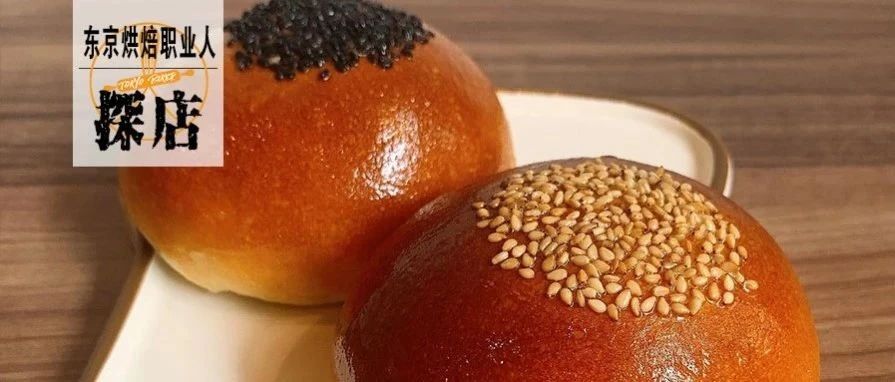
【日本探店】历经4代人的红豆包!传统与创新的挑战,迈向下一个100年!「喜福堂」
东京烘焙职业人· 2025-05-06 08:40
Core Viewpoint - The article emphasizes the potential for the emergence of numerous baking unicorns in the domestic market, highlighting the importance of strategic vision, innovative brand marketing, and operational management capabilities in the baking industry [1]. Group 1: Company Overview - "Kifukudo," a bakery established in 1916, has maintained its traditional flavors and products, particularly the red bean bun, for over a century [5][10]. - The current owner, Ikufumi Kaneko, represents the fourth generation of the family business, which has adapted to modern challenges while preserving its heritage [12][13]. - The bakery has a rich history, including relocation after the 1923 Kanto earthquake and a name change in 1961 to "Kifukudo," reflecting the founder's and his wife's names [15][16]. Group 2: Product Innovation - The red bean bun is a signature product, known for its unique recipe that balances rock sugar and white sugar for optimal taste [32]. - The bakery emphasizes high-quality ingredients, sourcing red beans from Hokkaido, specifically the Tokachi region, to ensure superior flavor [36][38]. - Kifukudo has expanded its product line by incorporating seasonal ingredients and variations of the red bean filling, showcasing innovation while honoring tradition [42][68]. Group 3: Business Strategy - The bakery's strategy includes maintaining classic products while diversifying offerings to meet customer preferences, similar to how other successful brands have expanded their product families [68]. - Seasonal adaptations and the introduction of new products, such as cream buns, are part of the strategy to sustain growth and customer interest [70]. - The company aims to create a welcoming shopping environment, enhancing customer experience through store renovations and an improved online purchasing system [56][58].