
罗宋汤

Search documents
本帮菜 是乡土底色更是多元交融
Jie Fang Ri Bao· 2026-02-17 00:31
Core Perspective - The article explores the unique culinary culture of Shanghai, emphasizing the deep-rooted flavors of local cuisine and its evolution over time, particularly during the Lunar New Year celebrations [1][4]. Group 1: Shanghai's Culinary Identity - Shanghai's local cuisine, known as "Benbang cuisine," is characterized by its rich flavors, combining salty and sweet elements, and is deeply influenced by the city's history as a melting pot of various regional cuisines [1][3]. - The integration of other regional cuisines, such as Huaiyang, Suzhou, and Shandong, has enriched Benbang cuisine, making it a distinctive representation of Shanghai's culinary landscape [1][2]. Group 2: Cultural Fusion and Adaptation - The article highlights the presence of Cantonese cuisine in Shanghai, with dishes like shrimp dumplings and rice rolls becoming integral to local dining culture, especially during festive occasions [2]. - The adaptation of international dishes, such as Borscht and fried pork chops, into the local culinary scene showcases Shanghai's ability to blend traditional and modern flavors [3]. Group 3: Changing Dining Experiences - The dining experience during the Lunar New Year is evolving, with families increasingly opting for unique experiences that combine traditional meals with leisure activities, reflecting a desire for relaxation and connection with nature [3][4]. - The rising disposable income of Shanghai residents, projected to reach 92,000 yuan by 2025, allows for greater access to high-quality ingredients, further diversifying the culinary offerings [3]. Group 4: The Essence of "Nian Wei" - The concept of "Nian Wei" (the flavor of the New Year) in Shanghai is multifaceted, representing not just food but also cultural identity and family unity, adapting to modern societal changes while maintaining traditional values [4].
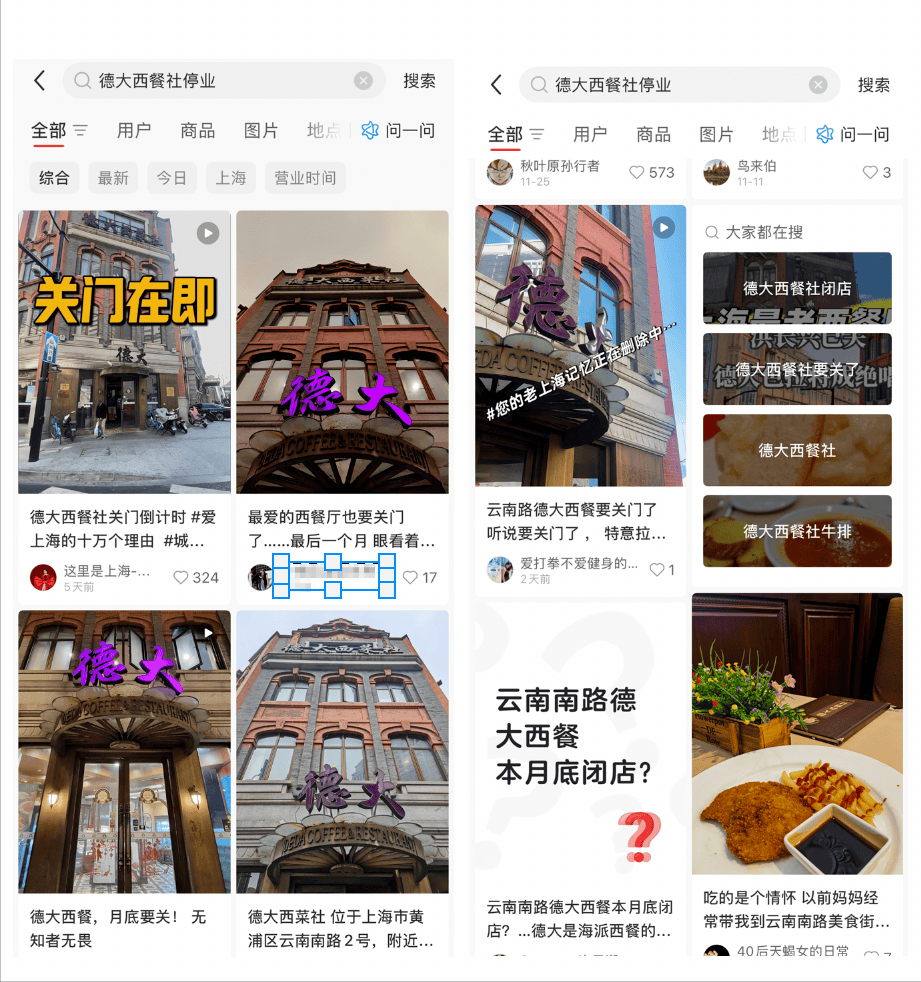
上海知名西餐老店暂停营业,“老味道”输给了新市场?
Sou Hu Cai Jing· 2025-12-06 08:46
Core Viewpoint - The closure of the De Da Western Restaurant on Yunnan Road by the end of December highlights the challenges faced by traditional dining establishments in adapting to modern consumer preferences and market dynamics [1][2]. Group 1: Market Dynamics - The growth of the domestic Western dining market is slowing, with a projected year-on-year growth of 4.5% in 2024, down from previous years [4]. - The rise of high-value meal options, such as fast food and casual dining, has led to a decrease in average spending per person to around 870 RMB, putting pressure on traditional high-end restaurants like De Da [4]. - De Da faces competition from chain brands like Sally's and Haokelai, which attract families and younger consumers with their high value and numerous locations [5]. Group 2: Product and Quality Challenges - De Da is known for its classic dishes but has neglected continuous innovation, while leading brands like Pizza Hut introduce nearly 9 new products each month to maintain customer interest [6]. - The restaurant has received 722 negative reviews on platforms like Dianping, primarily concerning food taste and quality, indicating issues with product consistency [7]. Group 3: Brand and Consumer Disconnect - De Da's brand image does not resonate with younger consumers who prioritize social media engagement and unique experiences, leading to a loss of this demographic [9]. - Only about 10% of the existing over a thousand Chinese time-honored brands are performing well, with many struggling to connect with younger consumers [9]. Group 4: The Essence of "Old Flavor" - The concept of "old flavor" encompasses both culinary techniques and cultural significance, with a need for innovation rather than mere replication of traditional dishes [10][11]. - Consumers seek stable, high-quality products while also valuing the unique historical and cultural aspects of dining experiences [12][13]. Group 5: Reasons for Decline of Traditional Brands - De Da's narrative has stagnated; its historical significance as a symbol of modernity and internationalization no longer aligns with current consumer expectations [15][16]. - Younger consumers are more inclined towards "emotional consumption," focusing on engaging brand stories and novel experiences rather than traditional craftsmanship [18][19]. Group 6: Strategies for Transformation - Traditional brands must enhance internal innovation, as demonstrated by successful examples like Chen Lijie, which leverage new platforms and technologies for revitalization [20]. - To attract younger consumers, Western dining establishments should focus on visually appealing dishes and increase the frequency of menu updates, as seen with brands like Pizza Hut and Sally's [24]. - Implementing diverse marketing strategies, such as promotional events and collaborations with popular IPs, can help traditional brands engage with younger audiences [25]. Conclusion - The closure of De Da Western Restaurant reflects a broader challenge faced by traditional brands, emphasizing the need for adaptation and innovation to thrive in a changing market landscape [26].

21现场|上合天津峰会外媒记者家乡有哪些美食?
2 1 Shi Ji Jing Ji Bao Dao· 2025-09-05 10:16
Group 1 - Cultural exchange among Shanghai Cooperation Organization (SCO) member countries is highlighted as an important area of cooperation, with food serving as a bridge for cultural interaction [1][2] - Various local delicacies from Southeast Asian countries are recommended, such as Roti Canai from Malaysia, Nasi Lemak, and Rendang from Indonesia, showcasing the region's diverse culinary heritage [1][2] - In South Asia, traditional dishes like Sajji from Pakistan and Butter Chicken from India are emphasized, along with the unique preparation of Biryani in Hyderabad, reflecting the rich food culture [2] Group 2 - Central Asian cuisine is represented by Palov from Uzbekistan, recognized as an intangible cultural heritage by UNESCO, and Beshbarmak from Kazakhstan, which is considered a national dish [2] - Middle Eastern food, particularly Shawarma, is noted for its popularity, combining grilled meat, vegetables, and sauces in a pita wrap, enhancing the culinary experience [2] - Russian cuisine includes traditional dishes such as salad, Borscht, and Blini, representing the country's culinary identity [3]
上合天津峰会外媒记者家乡有哪些美食?
2 1 Shi Ji Jing Ji Bao Dao· 2025-09-05 10:11
Group 1 - Cultural exchange among Shanghai Cooperation Organization (SCO) member countries is highlighted as an important area of cooperation, with food serving as a bridge for cultural interaction [1][2] - Various local delicacies from Southeast Asian countries are recommended, such as Roti Canai from Malaysia, Nasi Lemak, and Rendang from Indonesia, showcasing the region's diverse culinary heritage [1][2] - In South Asia, traditional dishes like Sajji from Pakistan and Butter Chicken from India are emphasized, along with the unique preparation of Biryani in Hyderabad, reflecting the rich food culture [2] - Central Asian countries are represented by dishes like Palov from Uzbekistan and Beshbarmak from Kazakhstan, which are recognized for their cultural significance [2] - Middle Eastern cuisine is also noted, with Shawarma being a popular dish that combines various ingredients for a unique taste experience [2][3] Group 2 - The article emphasizes the role of food in promoting mutual understanding and cultural appreciation among different nations, particularly within the context of the SCO [1][2] - The diversity of culinary traditions across different regions, including Southeast Asia, South Asia, Central Asia, and the Middle East, is showcased, highlighting the importance of food in cultural identity [1][2][3]