
低价餐饮

Search documents
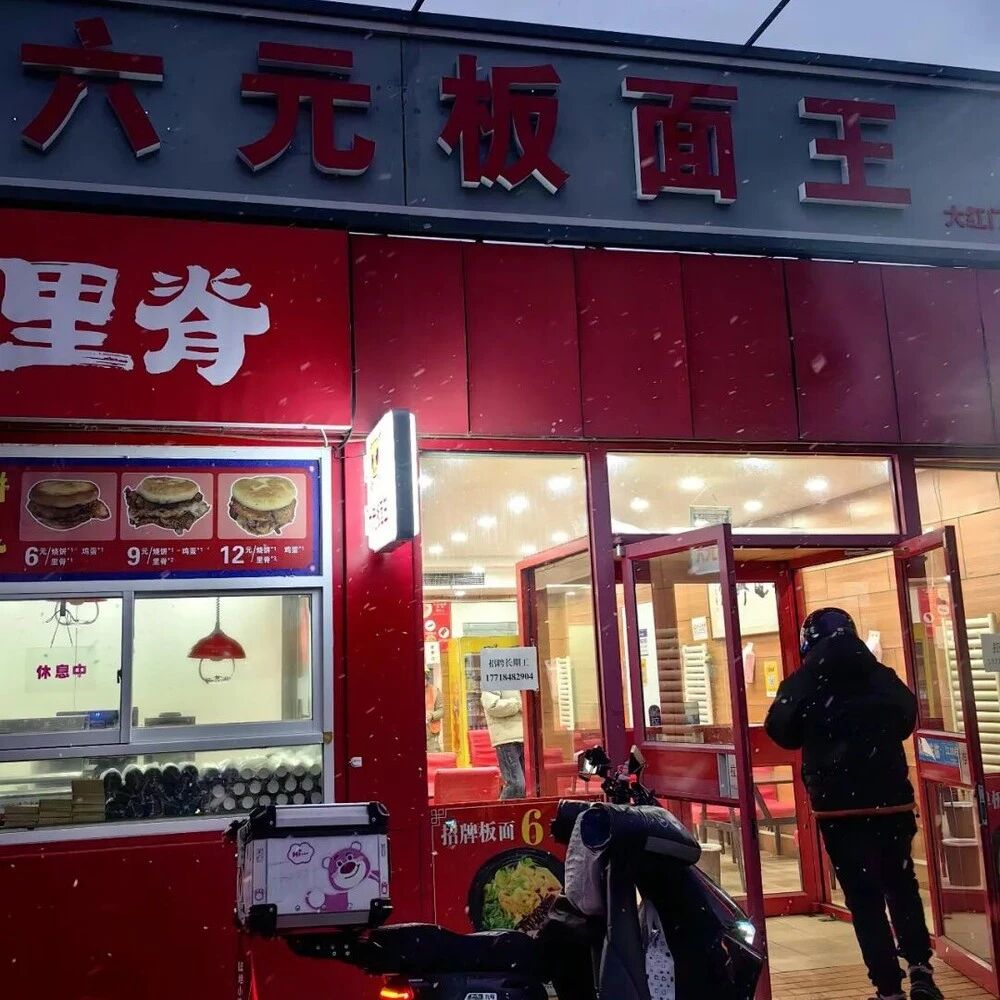
北京六元板面,反攻“拼好饭”
虎嗅APP· 2026-02-08 13:37
Core Viewpoint - The article discusses the emergence of a low-priced dining model represented by the "Six Yuan Noodle" restaurant, which aims to adapt to the changing landscape of the food and beverage industry in China, particularly in response to increasing competition and consumer demand for affordable options [4][11]. Group 1: Business Model and Strategy - The "Six Yuan Noodle" restaurant operates on a low-price model, offering a bowl of noodles for six yuan with free refills, which has generated significant public interest and debate [4][6]. - The profit margins of the six yuan model are comparable to traditional noodle shops, despite the lower price point, due to strategic cost management across various operational aspects [6][23]. - The restaurant's strategy is inspired by the "Pin Hao Fan" model, which focuses on low-cost, high-volume sales by simplifying the menu and leveraging consumer demand [9][15]. Group 2: Market Dynamics and Competition - The competitive landscape in the food and beverage sector is intensifying, with many brands entering the low-price segment, leading to concerns about profit margins for small businesses [11][14]. - The "Pin Hao Fan" model has seen a peak order volume of over 35 million daily, highlighting the growing significance of low-cost dining options in urban areas [9][11]. - The article notes that the low-price dining trend is driven by a large population of cost-conscious consumers in major cities, particularly among working-class individuals [11][26]. Group 3: Operational Efficiency - The restaurant emphasizes extreme cost-cutting measures in site selection, renovation, and ingredient sourcing to maintain profitability at the six yuan price point [18][20]. - The use of second-hand equipment for non-core items and high-quality new equipment for essential operations is a key part of their strategy to minimize costs while ensuring service quality [18][20]. - The business model relies on high customer turnover and efficient service to compensate for lower profit margins, with a focus on maintaining product quality despite the low price [23][30]. Group 4: Consumer Behavior and Trends - The six yuan noodle model caters to a diverse customer base, including laborers and budget-conscious consumers, reflecting a shift in dining preferences towards affordable options [27][30]. - The restaurant's policy of unlimited refills has contributed to high customer retention rates, as it appeals to consumers seeking value for money [30][31]. - The article suggests that the demand for low-cost dining options is likely to continue growing, particularly in densely populated urban areas where affordability is a priority for many consumers [11][26].

低价连锁餐饮全国狂飙,10元管饱的生意凭啥火了?
36氪· 2025-04-23 12:39
Core Viewpoint - The article discusses the rapid expansion of low-cost Chinese fast-food chains, particularly "Chao Yixing," in first-tier cities like Beijing, highlighting their competitive pricing and business strategies amidst rising operational costs and market competition [4][20]. Group 1: Expansion Strategy - Chao Yixing has opened nearly 30 stores in Beijing and plans to continue expanding at a rate of one new store per month [5][10]. - The brand targets densely populated residential areas rather than shopping malls, which differentiates it from competitors like "Laoxiangji" and "Xiangcunji" [5][10]. - The menu features over 30 SKUs, with prices significantly lower than competitors, making it attractive to a wide demographic [8][10]. Group 2: Pricing and Cost Structure - The average meal price at Chao Yixing is around 14 yuan, with some meals costing as little as 10 yuan [7][8]. - Despite low prices, the profit margins are thin, with reports indicating that a 10 yuan meal yields only 0.7 yuan in profit [26]. - To maintain profitability, the company has increased menu prices by 1 yuan in Beijing compared to its original location in Jinan [11][14]. Group 3: Operational Challenges - The fast-food industry is facing increased competition, with many brands mimicking the "poor man's meal" concept, leading to a saturated market [21][24]. - Rising costs for labor and rent are squeezing profit margins, prompting brands to cut costs in various areas, such as eliminating free fruit and changing napkin distribution methods [24][25]. - Chao Yixing and similar brands are exploring automation, such as using cooking robots, to reduce labor costs [17][19]. Group 4: Market Dynamics - The article notes that the "poor man's meal" has become a new trend, with brands like "Hong Gongfu" and "Jiahe Yipin" entering the market with competitive pricing [21][24]. - The overall market for low-cost dining is becoming increasingly competitive, with many brands struggling to maintain profitability despite growing sales [23][25]. - Chao Yixing's expansion strategy is seen as a way to gain leverage in supplier negotiations due to its large purchasing volume [19].
10元管饱餐饮生意凭啥火了?
投中网· 2025-04-23 06:35
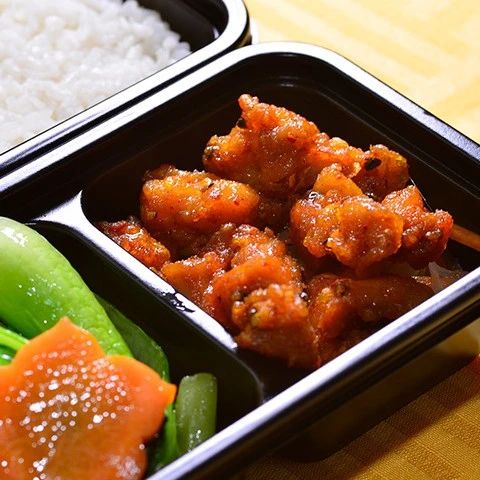
以下文章来源于Tech星球 ,作者林京 Tech星球 . Tech星球,聚焦互联网前沿科技和新商业。 将投中网设为"星标⭐",第一时间收获最新推送 窄门餐眼数据显示,目前超意兴在全国拥有 707 家门店,主要在天津、北京、河北和河南市场扩张,在北京已经有近 30 家门店。 一位超意兴的员工向 Tech 星球介绍, 2023 年底公司组建了北京团队,基本按照每月开一家的新店节奏扩张,进入北京市场之后,前来咨询加盟的电 话就没有停过。 不同于老乡鸡、乡村基等开在商场里的快餐品牌,以超意兴为代表的这一类快餐品牌多选址在社区居民密度较强的区域,他们曾经长期蛰伏于租金、人 力成本更低的二线城市,如今开始向一线城市紧锣密鼓扩张。 投入上百万,在一线城市社区狂飙 比起"月薪两万吃不起老乡鸡",超意兴们可谓将性价比卷到了极致,团购一份"把子肉 + 宫保鸡丁 + 米饭 + 粥"的套餐不过 15 元。 Tech 星球在超意兴线下门店看到,菜单涵盖各类荤素菜系、米饭、面点、熟食等 30 多个 SKU ,最贵的菜品只有两三个 SKU ,通常是价格在 18 元 的酸菜鱼、 15 元的麻辣肉片。招牌把子肉与免费玉米粥是其门店一大特色,店 ...