
低库存运营

Search documents
告别“博行情” 钢贸商闯入套利战场
经济观察报· 2025-11-20 11:30
Core Viewpoint - The steel trading industry is facing unprecedented challenges due to a significant divergence between futures and spot prices, leading to collective losses and a need for strategic transformation among traders [1][6][12]. Group 1: Market Dynamics - Traditional trading strategies based on information and price discrepancies are no longer viable for established steel traders [1][6]. - Since August 2025, a persistent divergence between rebar futures and spot prices has emerged, with the price gap exceeding 80 yuan/ton by mid-November [5][10]. - The current market conditions are characterized by a strong spot market supported by supply-side constraints, while the futures market reflects pessimistic demand expectations [5][9]. Group 2: Inventory Management - Many steel traders are adopting a "low inventory operation" model to mitigate risks associated with price declines, reducing their stock levels significantly [5][15]. - A steel trading company has cut its rebar inventory from 20,000 tons to less than 8,000 tons due to concerns over future price depreciation [5][15]. - The trend towards low inventory is driven by heightened sensitivity to financial security and the rising costs associated with holding stock [15][17]. Group 3: Financial Pressures - Steel traders are experiencing increased financial strain due to longer sales cycles and higher implicit financing costs, as inventory turnover has slowed significantly [20][22]. - Banks are reassessing their lending to the steel industry, leading to higher interest rates and additional financial burdens for traders [21][22]. - The average profit margin for steel companies remains low, contributing to a challenging credit environment [22][23]. Group 4: Strategic Adaptations - Traders are exploring new operational strategies, such as utilizing futures for risk hedging and adjusting customer bases to focus on reliable clients [30][31]. - Some companies are engaging in arbitrage trading by taking advantage of the price discrepancies between futures and spot markets [16][31]. - The shift towards financialization and supply chain services is becoming essential for survival in the current market landscape [30][31].

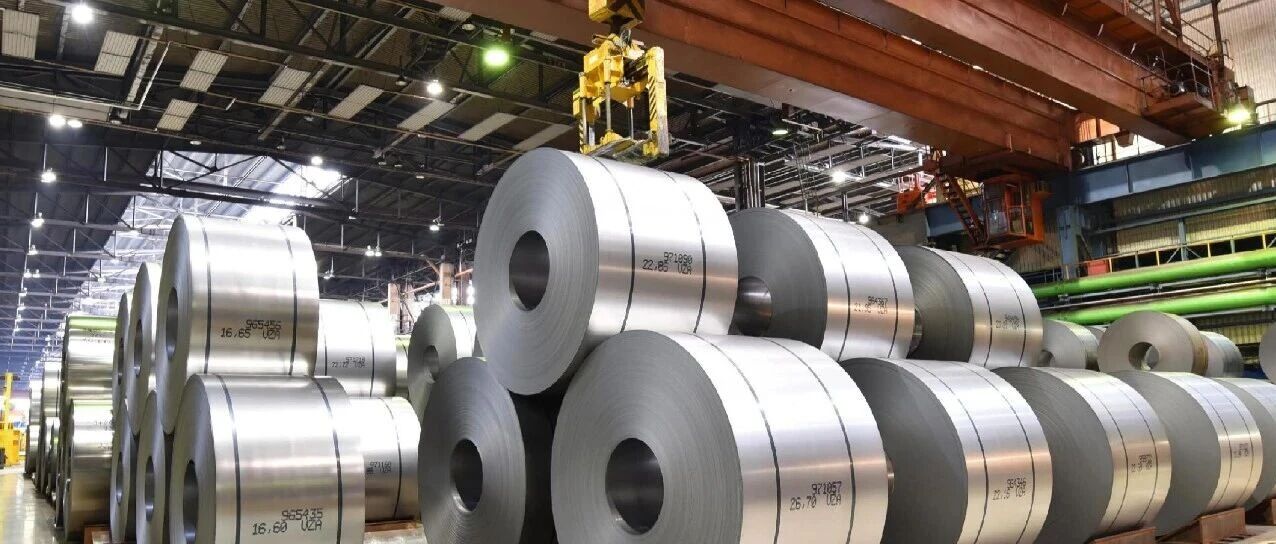
告别“博行情” 钢贸商闯入套利战场
Jing Ji Guan Cha Bao· 2025-11-20 11:14
Core Viewpoint - The steel trading industry is experiencing significant challenges due to a divergence between futures and spot prices, leading to a shift in operational strategies among traders [3][4][9]. Market Dynamics - As of November 18, 2025, the main rebar futures contract on the Shanghai Futures Exchange closed at 3079 CNY/ton, a decline of 0.19%, while the spot price remained at 3164.34 CNY/ton, resulting in an unusual price difference of 85.34 CNY/ton [3]. - Since August 2025, the divergence between futures and spot prices has widened, with the price gap exceeding 80 CNY/ton by mid-November [3][7]. - The current market conditions are characterized by a supply contraction due to government policies, while demand remains weak, leading to a persistent bearish outlook in the futures market [6][8]. Inventory Management - Many steel traders are adopting a "low inventory operation" model to mitigate risks associated with price fluctuations, with some reducing their rebar inventory from 20,000 tons to less than 8,000 tons [4][10]. - The focus on maintaining minimal inventory levels reflects heightened sensitivity to financial security among traders [10][21]. Strategic Shifts - Traditional trading strategies based on information asymmetry are becoming obsolete, prompting traders to seek new opportunities, such as extending supply chain services or enhancing financial operations [9][12]. - Large trading firms are increasingly engaging in arbitrage transactions to capitalize on the price differences between futures and spot markets, with some securing profits of 80 to 100 CNY per ton [11][12]. Financial Pressures - The steel trading sector is facing significant financial strain, with average profit margins reported at only 1.97% for the first half of 2025, leading to increased scrutiny from banks regarding credit risk [15][16]. - Traders are experiencing longer sales cycles and delayed payments from clients, with accounts receivable turnover days reaching a historical high of 83 days [19][20]. Survival Strategies - In response to the challenging environment, traders are implementing strategies such as reducing inventory levels, utilizing futures for risk hedging, and exploring supply chain financing options [21][22]. - Some traders are shifting their focus to reliable clients with good credit histories, even if it means accepting lower profit margins [22][23].