债市熊市

Search documents
全球央行黄金储备29年来首超美债
Sou Hu Cai Jing· 2025-09-07 13:25
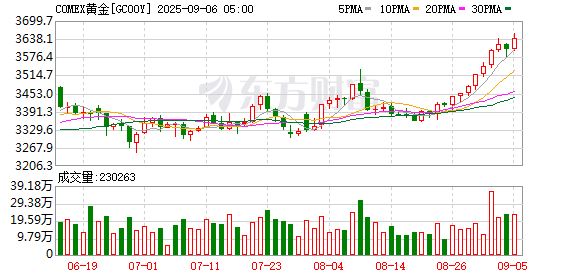
Core Viewpoint - Gold is challenging the foundation of the modern financial system, particularly U.S. Treasury bonds, as central banks increase their gold reserves, marking a significant shift in global reserve management [1][2]. Group 1: Central Banks and Gold Reserves - Recent data shows that gold has surpassed U.S. Treasury bonds in the reserves of central banks, excluding the Federal Reserve, for the first time since 1996 [1][2]. - Central banks have been net buyers of gold for 14 consecutive quarters, with purchases exceeding 1,000 tons annually over the past three years, nearly double the average of the previous decade [2][3]. - A survey by the World Gold Council indicates that 95% of central banks plan to continue increasing their gold reserves in the next 12 months, the highest percentage since the survey began in 2019 [3]. Group 2: Market Trends and Gold Prices - Gold prices have surged by 36% this year, significantly outperforming the S&P 500 index and Bitcoin, with a notable increase of over 3.5% in August alone [4]. - Analysts suggest that the current gold market is in its third major bull cycle, which could last for several years, potentially exceeding a decade [4]. Group 3: Historical Context of Gold Bull Markets - The first bull market occurred from 1971 to 1980, driven by the collapse of the Bretton Woods system and high inflation, leading to a price increase of over 20 times [6]. - The second bull market spanned from 2001 to 2011, fueled by the 2008 financial crisis and subsequent monetary easing, with gold prices rising from $255 to over $1,920 per ounce [6]. Group 4: U.S. Treasury Bonds and Market Sentiment - The bond market is experiencing a downturn, with U.S. Treasury yields reaching levels not seen in decades, leading to significant declines in bond prices [7][8]. - Analysts predict that the 2020s may become the worst decade for U.S. Treasury bonds, particularly for long-term bonds, due to rising yields and concerns over the sustainability of U.S. debt [7][8]. - The current economic environment characterized by high inflation, debt, and geopolitical risks has increased gold's appeal as a safe-haven asset compared to U.S. Treasury bonds [9]. Group 5: Future Price Predictions for Gold - Major financial institutions are bullish on gold, with Goldman Sachs raising its price target to $3,700 per ounce by the end of 2025, and potentially up to $4,500 or $5,000 if political pressures affect the Federal Reserve's independence [10][11]. - Bank of America and JPMorgan also forecast gold prices reaching $4,000 per ounce by mid-2026, reflecting a collective concern over macroeconomic risks and the future of U.S. Treasury bonds [11].
疯狂囤黄金!全球央行黄金储备反超美债 系29年来首次!美元“霸权”落幕?
Mei Ri Jing Ji Xin Wen· 2025-09-06 07:05
Core Viewpoint - Gold is challenging the foundation of the modern financial system, specifically U.S. Treasury bonds, as its share in central bank reserves has surpassed that of U.S. debt for the first time since 1996, indicating a significant global rebalancing in reserve asset structures [2][6]. Group 1: Central Bank Behavior - Central banks are increasingly accumulating gold to reduce reliance on U.S. dollar assets, thereby diversifying potential risks associated with a single reserve currency [2][10]. - Since Q3 2020, global central banks have net purchased gold for 14 consecutive quarters, with annual purchases exceeding 1,000 tons, nearly double the average of the previous decade [6][10]. - A recent survey indicated that 95% of central banks plan to continue increasing their gold reserves in the next 12 months, the highest percentage since the survey began in 2019 [8]. Group 2: Gold Market Dynamics - Gold is currently in its third major bull market, with prices rising 36% this year, significantly outperforming the S&P 500 and Bitcoin [11][15]. - Historical context shows that gold has previously surged during major financial upheavals, such as the 1970s and the 2008 financial crisis, making it a preferred asset for hedging against inflation and currency devaluation [14][15]. Group 3: U.S. Treasury Bonds - The bond market is experiencing a downturn, with long-term U.S. Treasury yields reaching levels not seen in decades, leading to a significant drop in bond prices [16][18]. - The current decade is projected to be one of the worst for U.S. Treasury bonds, with rising yields reflecting market concerns over inflation and debt sustainability [18][19]. - The perception of U.S. Treasury bonds as "risk-free" has shifted, requiring higher risk premiums to attract investors, while safe-haven funds are increasingly moving towards gold [19]. Group 4: Future Price Predictions - Several financial institutions are bullish on gold prices, with forecasts suggesting prices could reach $4,000 per ounce by mid-2026, driven by macroeconomic risks and potential political pressures on the Federal Reserve [20].