健康化菜品

Search documents
年夜饭预订火爆,北京老字号数字化转型激发消费新活力|新春消费青观察
Sou Hu Cai Jing· 2026-02-14 02:26
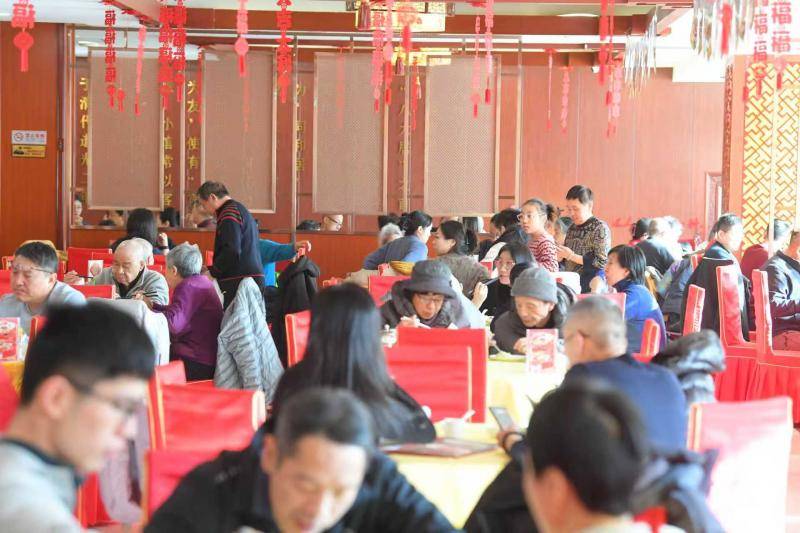
Core Insights - The article highlights the booming demand for traditional Beijing restaurants, particularly during the upcoming Spring Festival, with many restaurants fully booked for New Year's Eve dinners well in advance [1][3] - Traditional brands are successfully attracting younger consumers by embracing digital transformation, AI integration, and cultural innovation, with 48.5% of searches related to these brands coming from consumers aged 35 and under [1][9] Group 1: Reservation Trends - Many traditional restaurants in Beijing have reported that their New Year's Eve dinner reservations are sold out, with some locations fully booked as early as two months prior [3] - Prices for New Year's Eve dinners range from hundreds to thousands of yuan, with specific packages offered by various restaurants, such as Quanjude's 400 yuan per person package and Bianyifang's 1,000 yuan for 6-8 people [3][4] - The revenue generated from a single New Year's Eve dinner can equal ten days of a restaurant's typical earnings, indicating the significance of this event for restaurant operators [3] Group 2: Digital Transformation - Traditional restaurants are increasingly adopting digital solutions, such as online ordering, VR room previews, and smart dining features, to enhance customer experience and operational efficiency [6][4] - Data shows that 206 traditional restaurant brands and 6,027 locations have completed their online transformation, covering 234 cities nationwide, with search volume on platforms like Meituan increasing nearly ninefold and order volume rising by 34% [6] - The introduction of AI-driven systems has allowed restaurants to automate data collection and customer inquiries, significantly reducing labor costs and improving service efficiency [6][7] Group 3: Product Innovation - Traditional restaurants are focusing on health-oriented and culturally innovative products to appeal to younger consumers, with an emphasis on quality-to-price ratio [9][8] - Innovations include healthier menu options and creative cultural products, such as plush toys representing traditional dishes, which enhance customer engagement and emotional value [9][8] - The shift from merely selling products to offering experiences is evident, as traditional brands adapt to modern consumer preferences while maintaining their cultural heritage [9][7]