健康饮食风潮

Search documents
彻底卖光!又一国产品牌落入外资之手,创始人套现百亿潇洒离场
Sou Hu Cai Jing· 2026-01-11 01:45
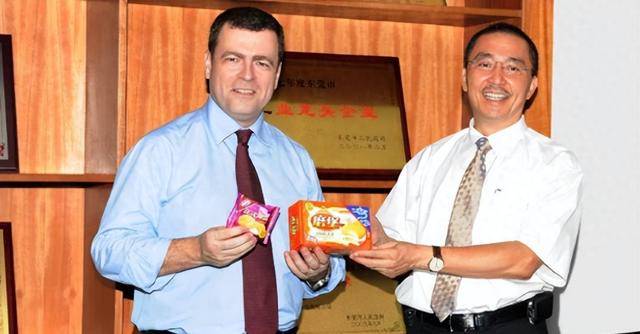
Core Viewpoint - Nestlé has acquired the remaining 40% stake in Xu Fu Ji, marking the complete transition of the once-local candy brand into foreign ownership, raising questions about the preservation of cultural significance in Chinese traditions [1] Group 1: Company History and Development - Xu Fu Ji started as a small workshop in Dongguan, founded by four brothers from Taiwan, who initially sold candy on the streets of Taipei in the 1980s [3] - The company transformed from a contract manufacturer to an industry leader by introducing gift box packaging in 1996, which was considered high-end at the time, priced at 20 yuan [5] - By 2011, Xu Fu Ji achieved annual revenue of 4.3 billion yuan, but faced challenges with the entry of international brands like Dove and Ferrero into the Chinese market [5][7] Group 2: Financial Performance and Strategic Changes - After a significant investment from Nestlé, which acquired 60% of the company for $1.7 billion, Xu Fu Ji aimed to enhance its technology and research capabilities [7] - The company struggled with declining sales due to the rise of e-commerce and health trends, leading to a drop in performance, with annual reports no longer listing Xu Fu Ji separately [7] - A turnaround occurred post-2020 with the introduction of live-stream selling and low-sugar products, projecting revenue to exceed 7 billion yuan in 2024 [9] Group 3: Market Position and Consumer Sentiment - The acquisition by Nestlé has raised concerns about the future of Xu Fu Ji, especially as younger consumers gravitate towards brands like Three Squirrels and Liangpin Shop [11] - Quality issues have been reported, including incidents of foreign objects found in products, which may affect consumer trust [11] - The sentiment among consumers may not focus on the ownership of the brand but rather on the quality and pricing of the products, especially during festive seasons [12][14]


林里、柠季门店总数超 3500 家,柠檬茶为什么越开越多?| 声动早咖啡
声动活泼· 2025-07-18 10:35
Core Viewpoint - The rapid expansion of lemon tea brands across China is driven by changing consumer preferences, effective marketing strategies, and the health trend favoring lemon tea over traditional sugary drinks [1][2][6]. Market Expansion - The number of lemon tea stores has surged, with brands like Linli and Ningji surpassing 1800 and 1700 locations respectively by May 2024, and even signing contracts for 15 overseas stores [1]. - In 2021, the number of dedicated lemon tea stores increased from over 3000 in 2020 to more than 6000, with a 400% year-on-year sales growth [1][2]. Cultural Influence - Lemon tea's popularity is rooted in its historical context, influenced by British afternoon tea culture in Hong Kong during the 1950s, and its suitability as a refreshing drink in Guangdong's humid climate [2][3]. Brand Strategies - Vitasoy played a significant role in popularizing lemon tea by launching ready-to-drink lemon tea in 1979 and increasing marketing efforts in mainland China starting in 2016 [3][4]. - The brand's sales reached approximately 3 billion yuan in 2020, accounting for about 75% of its mainland revenue [3]. Health Trends - The rise of health-conscious consumers has favored lemon tea, with nearly two-thirds of consumers perceiving it as healthier than milk tea [6]. - The demand for acidic flavors to balance oily diets is expected to further boost lemon tea's market share [6]. Supply Chain Dynamics - The price of lemons has increased from around 10 yuan per kilogram to over 14 yuan due to reduced production in major growing areas like Anju County [1][7]. - Brands like Linli and Ningji use different lemon varieties to optimize flavor and product diversity, with Linli owning its lemon orchards to mitigate supply chain risks [8]. Competitive Landscape - The lemon tea market has a low entry barrier, leading to intense competition among brands, necessitating differentiation through marketing and store design [9]. - Seasonal sales fluctuations pose challenges, with winter sales often dropping to half of summer sales, highlighting the need for brands to expand into northern markets [12]. Consumer Engagement - Innovative marketing strategies, such as unique store designs and engaging promotions, have become essential for attracting consumers in a crowded market [9].