储蓄习惯

Search documents
中国人口是美国的几倍,为什么消费力却比不过?内行人道出了内情
Sou Hu Cai Jing· 2026-01-12 22:48
Core Insights - The disparity between China's consumption potential and actual performance raises concerns, as the total consumption amount is less than half of that of the United States despite having a population four times larger [1] Group 1: Economic Factors - High housing prices significantly constrain consumer spending, with individuals in major cities allocating a large portion of their income to mortgage payments, leaving little for discretionary spending [3] - The ingrained savings habit among Chinese consumers, driven by a traditional mindset of caution and uncertainty about the future, leads to lower overall consumption levels [3][4] - Income distribution inequality limits the size of the consumer base, as a relatively small proportion of the population belongs to the middle class, which is a key driver of consumption [4] Group 2: Social and Cultural Influences - The heavy burden of education and healthcare costs diverts funds that could otherwise be used for consumption, with families facing significant financial pressure from these areas [6] - Urban-rural income disparity remains a critical issue, as rural populations have significantly lower average incomes, limiting their consumption capacity [7] - Differences in consumption attitudes between Chinese and American consumers affect spending behavior, with Chinese consumers focusing more on savings and investments rather than immediate consumption [4][7] Group 3: Market Dynamics - The structure of household debt in China is primarily focused on mortgages, while American households also engage in consumer loans, leading to different consumption patterns [7] - The investment mindset in China tends to favor real estate and stocks, while American consumers invest in experiences and quality of life improvements, impacting overall consumption [7] - Young consumers in China are beginning to shift their spending habits towards valuing quality of life, which could influence future consumption trends [8][10] Group 4: Policy and Future Outlook - Addressing the issue of insufficient consumption requires comprehensive efforts, including stabilizing housing prices, improving social security systems, and reducing income inequality [10] - Positive signals are emerging, such as decreasing housing expectations and government initiatives to stimulate domestic demand, which could potentially enhance consumer spending [10] - The potential for China's consumption market to drive economic growth is significant, contingent upon releasing suppressed consumer demand and changing long-standing cultural habits [12]

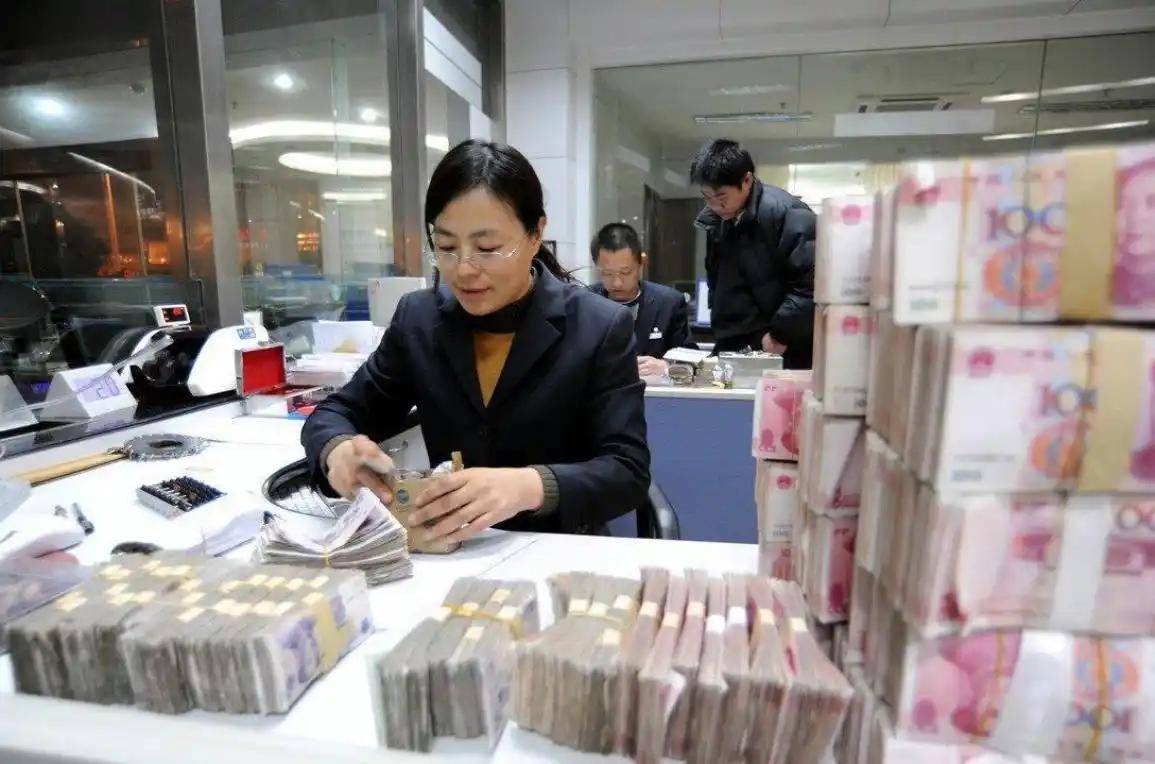
都什么年代了,居然还有人存定期存款?银行员工直言不讳
Sou Hu Cai Jing· 2025-10-23 12:42
Core Insights - The total amount of deposits from residents in China has shown remarkable growth, with new deposits reaching 10.33 trillion yuan in the first half of the year, surpassing the total new deposits of previous years [1] Group 1: Safety and Stability of Bank Deposits - Bank deposits are considered safe, providing a relatively stable interest income despite fluctuating market rates, making them a prudent choice for conservative investors [3] - The unique advantages of traditional fixed deposits remain appealing, even as interest rates decline [4] Group 2: Necessity of Savings - The necessity of having savings has increased due to the impacts of the pandemic and widespread salary cuts, leading more individuals to deposit funds in banks for financial security against unexpected events [5] - Many residents save for potential large expenses in the future, such as down payments for homes, home renovations, or purchasing vehicles [5] Group 3: Accessibility of Fixed Deposits - Fixed deposits have a relatively low entry threshold, typically starting at around 500,000 yuan, making them more accessible compared to other investment products [7] - Fixed deposits encourage individuals to accumulate savings gradually, fostering a habit of saving and financial discipline among young people [7]