
儿童类微短剧管理

Search documents
儿童类微短剧要避免“娱乐化”
Xin Lang Cai Jing· 2026-01-16 19:06
Core Viewpoint - The increase in children's micro-dramas labeled with "cute kids" and "parent-child" themes has led to concerns over adult themes and commercialization, prompting regulatory action from the National Radio and Television Administration to protect minors' mental and physical health [1] Group 1: Industry Trends - There has been a notable rise in children's micro-dramas on short video platforms, but many creators are incorporating complex adult relationships and values into children's content, deviating from appropriate themes [1] - Some works have included inappropriate content, such as a drama featuring an 11-year-old girl in a storyline involving forced marriage and childbirth, which faced strong public backlash and was subsequently taken down [1] Group 2: Regulatory Response - The National Radio and Television Administration issued management guidelines to prevent the creation of content that harms minors, emphasizing the prohibition of adult themes and excessive commercialization in children's programming [1] - The guidelines specify that children's micro-dramas should not depict manipulative or malicious characters, nor promote harmful ideologies such as "the ends justify the means" or the notion that early fame and appearance are paramount [1] Group 3: Recommendations for Stakeholders - Creators are urged to abandon the "traffic-driven" mindset and integrate positive values into their narratives, while platforms must enhance content review processes and take action against violations [1] - Parents are encouraged to move away from the "star-making" mentality, allowing children to enjoy their childhood in a healthy environment [1]
遏制儿童微短剧“成人化”倾向,内容创作要有底线
Nan Fang Du Shi Bao· 2026-01-09 17:01
Core Viewpoint - The National Radio and Television Administration has issued management guidelines for children's micro-short dramas, aiming to curb the "adultification," "instrumentalization," and "entertainment" tendencies in such content [1][3] Group 1: Management Guidelines - The guidelines prohibit children's micro-short dramas from creating dramatic conflicts or portraying negative traits such as cunning or scheming, and from promoting harmful concepts like "evil begets evil" or power struggles [1] - The guidelines emphasize that while there is a need to regulate content, it does not mean banning children's themes or performances; the focus is on preventing children from becoming mere "tools" for profit [1][3] Group 2: Industry Context - There has been growing concern regarding children's participation in media, especially in reality shows, as their behavior and personality can be subtly influenced by their performances [2] - Existing regulations already address the protection of minors in media, including prohibitions against exploiting "internet celebrity children" for profit and restrictions on organizations involving minors in harmful performances [2] Group 3: Content Creation Issues - The management guidelines extend beyond short dramas to include self-media content involving children, which often exploits children for profit, such as using them as beauty influencers or in conflict-driven scenarios [3] - The rise of MCN (Multi-Channel Network) institutions has led to various problematic portrayals of children, highlighting the need for clearer regulations to protect minors from being used as profit-making tools [3]
广电总局:抵制儿童类微短剧“成人化”“工具化”“娱乐化”倾向
Xin Lang Cai Jing· 2026-01-09 13:36
Core Viewpoint - The National Radio and Television Administration (NRTA) has issued its first management notice for 2026, emphasizing the need to protect children's content from adult themes and commercialization, particularly in the context of the rapid growth of micro-short dramas targeting children [4][5]. Group 1: Creative Guidelines - The management notice stresses the importance of respecting children's developmental stages and ensuring that content aligns with their cognitive abilities and moral standards [2][3]. - It aims to counteract the trend of "adultification" in children's programming, prohibiting the portrayal of complex adult themes and negative character traits in children's narratives [2][3]. - The notice establishes clear ethical boundaries for content creation, emphasizing that children's programming should serve as a nurturing medium for their spiritual growth [2][3][9]. Group 2: Rights Protection - The notice highlights the need to safeguard children's rights, mandating that consent from legal guardians is obtained before involving children in micro-short dramas [6][7]. - It prohibits the exploitation of child actors for commercial gain, ensuring that their participation does not compromise their well-being or education [6][7]. - The management notice aims to correct the current trend of using children as tools for profit, advocating for a protective environment that prioritizes their health and development [6][7][8]. Group 3: Quality Control and Value Guidance - The management notice calls for strict oversight and quality control in children's micro-short dramas, promoting content that is educational and aligned with national values [8][10]. - It encourages creators to produce works that reflect the realities of children's lives while instilling patriotism and moral values [9][10]. - The notice aims to prevent the production of low-quality, superficial content that lacks logical coherence and fails to resonate with children's understanding [10][11]. Group 4: Industry Responsibility - The management notice delineates the responsibilities of production companies, platforms, and families in creating a child-centered protective environment [8][11]. - It seeks to reshape the industry ecosystem by ensuring that children's programming serves their healthy development rather than adult commercial interests [11][12]. - The notice aligns with existing regulations to establish a comprehensive protection system for minors in the realm of audiovisual content [11][12].

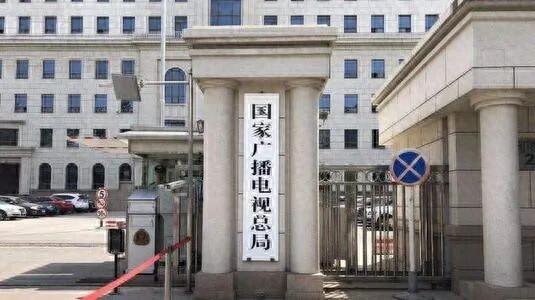
广电总局规范儿童类微短剧,要求遏制成人化等三种倾向
Xin Lang Cai Jing· 2026-01-09 06:20
Core Viewpoint - The National Radio and Television Administration (NRTA) has issued guidelines to regulate children's micro-dramas, aiming to curb adult themes, tool-like tendencies, and entertainment-focused content in these productions [1][2]. Group 1: Guidelines on Content - The NRTA emphasizes that children's micro-dramas should not create dramatic conflicts or portray children in manipulative or malicious roles, such as "black-bellied" characters, and should avoid promoting negative concepts like "evil begets evil" and power struggles [1]. - Productions are prohibited from featuring adult-like storylines, such as "bullying" or "powerful CEO" narratives, which are deemed inappropriate for children [1]. - The guidelines also restrict the commercialization of child actors, preventing practices that promote early fame or beauty as a virtue, and discourage excessive financial burdens on families for training or packaging [1]. Group 2: Protection of Minors - The NRTA's initiative aims to enhance the protection of minors, ensuring that inappropriate content does not harm their physical and mental development [2].
遏制儿童类微短剧“成人化”倾向
Xin Lang Cai Jing· 2026-01-08 23:08
Core Viewpoint - The National Radio and Television Administration (NRTA) has issued management guidelines for children's micro-dramas, emphasizing the need to curb adult-oriented tendencies, correct tool-like approaches, and resist entertainment-focused trends in content creation [1] Group 1: Content Creation Guidelines - Children's micro-dramas should not depict adult themes such as "overbearing CEOs," school bullying, or promote divisive narratives [2] - The creation of children's content must avoid using children as tools for adult fantasies, emotional compensation, or for generating traffic [2] - Content should not promote a utilitarian growth mindset under the guise of artistic imagination [2] Group 2: Production Standards - Children's micro-dramas must not engage in commercial exploitation under the pretext of stardom, nor should they encourage families to incur high training or packaging costs [1] - There should be strict limits on the workload of child actors, ensuring they do not perform in scenes that exceed their physical and emotional capacities [1] - The production of content should avoid low-quality, illogical, or vulgar material that is disconnected from children's understanding [1]
广电总局要求遏制儿童类微短剧“成人化”倾向
Xin Hua She· 2026-01-08 15:08
Core Viewpoint - The National Radio and Television Administration (NRTA) has issued management guidelines for children's micro-short dramas, emphasizing the need to curb adult-oriented tendencies, correct tool-like tendencies, and resist entertainment-oriented tendencies [1] Group 1 - The NRTA aims to address the "adultification" trend in children's programming [1] - The guidelines seek to rectify the "toolization" tendency, which may undermine the educational value of children's content [1] - There is a strong emphasis on resisting the "entertainmentization" trend that could distract from the primary purpose of children's programming [1]