
入境消费第一城

Search documents
文旅商体展联动 擦亮国际消费名片
Sou Hu Cai Jing· 2026-02-04 01:43
Group 1: Economic Growth and Consumer Trends - Consumption is identified as the core engine driving economic growth in Shanghai, with the "14th Five-Year Plan" emphasizing the development of an international consumption center [1] - In 2022, inbound tourists generated approximately $15 billion in consumption, a 35% increase from the previous year's $11.09 billion, contributing significantly to a 4.6% growth in the city's total retail sales [2] - The average spending per inbound tourist is around $1,000, indicating substantial potential for growth compared to international benchmarks where average spending can reach $2,000 to $3,000 [3][4] Group 2: Enhancing Inbound Consumption - The Shanghai government aims to establish the city as the "first city for inbound consumption," focusing on enhancing tourism, tax refunds for outbound travelers, and cross-border payment facilitation [2] - There is a recognized need to convert tourist flow into tangible consumption, with representatives noting that Shanghai's inbound consumption market has significant room for development compared to cities like New York [2][3] Group 3: Experience and Event-Driven Consumption - A shift towards experience-based activities is noted, with younger inbound tourists showing a preference for social and experiential activities over traditional shopping [3] - Suggestions include creating more diverse experience projects and enhancing the integration of cultural, sports, and exhibition events to form a "consumption closed loop" [3][4] Group 4: Optimizing Consumption Ecosystem - Recommendations include upgrading supply scenarios to create a more engaging consumption ecosystem, focusing on emotional resonance and value co-creation [4] - Specific proposals involve enhancing the inbound experience at airports and optimizing traditional cultural consumption sites to attract international tourists [5] Group 5: Cultural and Event Integration - The government plans to organize various consumption events, such as the "Five-Five Shopping Festival" and "Shanghai Summer International Consumption Season," to stimulate economic activity [6] - The success of exhibitions, such as the "Pyramid of Giza" exhibition, demonstrates the potential for cultural events to significantly boost local economies, with a reported economic impact ratio of 1:48 [6] Group 6: Market Development and Innovation - The city is encouraged to develop a matrix of themed markets and enhance the quality of small shops to better meet consumer demands and avoid homogenization [9][10] - Financial support and innovative policies are suggested to alleviate operational burdens on small businesses, which are seen as vital to the city's economic and cultural vitality [10]

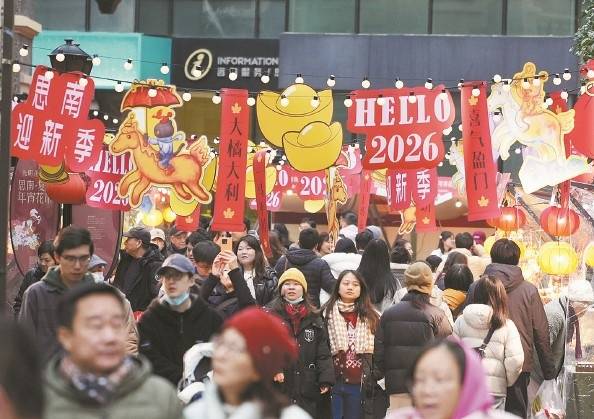
谁能成为“入境消费第一城”
21世纪经济报道· 2025-08-05 04:56
Core Insights - The article discusses the surge in international tourism in China, particularly in cities like Shenzhen, Shanghai, Beijing, Guangzhou, and Chongqing, driven by visa-free policies and a growing demand for cross-border travel [2][3][4][5][6]. Group 1: International Tourism Growth - Shenzhen's ports recorded 130 million entries and exits in the first half of the year, a 16.2% increase year-on-year, with foreign visitors reaching 3.432 million, up 39.2% [2]. - Other cities also saw significant growth: Shanghai welcomed 2.6 million foreign visitors (up 44.8%), Beijing received 1.49 million (with over 840,000 benefiting from visa-free policies), and Guangzhou hosted over 1.5 million (up 40%) [3][4]. Group 2: City Strategies for Tourism - Beijing aims to become China's preferred destination for inbound tourism by integrating events and tourism [4]. - Shanghai plans to enhance its tourism offerings with diverse products and world-class attractions [4]. - Chongqing is emerging as a key destination for Southeast Asian tourists, focusing on unique geographical features and cultural collaborations [4]. Group 3: Shopping and Consumer Behavior - Shopping is a crucial part of the travel experience, with nearly 95% of tourists engaging in shopping activities [9]. - Cities are enhancing their shopping environments, with Beijing leading in the number of duty-free shops at 1,400 [11]. - Duty-free sales in Shenzhen doubled, with a significant increase in sales and transactions [11]. Group 4: Unique City Offerings - Each city is developing unique products: Beijing focuses on cultural items, Shanghai on diverse souvenirs, Guangzhou on local delicacies, and Chongqing on liquor [12]. - Shenzhen stands out for high-value electronic products, with a notable increase in sales of smartphones and computers among foreign visitors [15]. Group 5: Challenges and Opportunities - Despite its advantages, Shenzhen faces challenges in attracting tourists interested in traditional culture compared to historical cities like Beijing [17]. - The city's modern image and technological innovations present opportunities to create unique travel experiences [18][19].
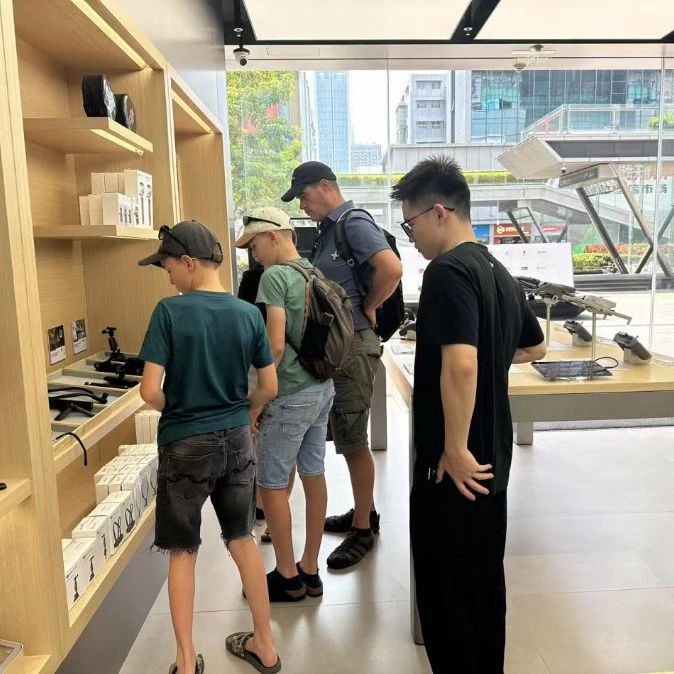
竞逐“入境消费第一城”,深圳何以突围
2 1 Shi Ji Jing Ji Bao Dao· 2025-08-05 03:15
Core Insights - The influx of international travelers to China is significantly increasing, driven by visa-free policies and a growing demand for cross-border tourism [1][2] - Major cities like Shenzhen, Beijing, Shanghai, Guangzhou, and Chongqing are competing to become the top destination for inbound tourism and consumption [3][4][5][6] Group 1: Inbound Tourism Growth - Shenzhen reported 130 million inbound and outbound travelers in the first half of the year, a 16.2% increase year-on-year, with foreign travelers reaching 3.432 million, up 39.2% [1] - Other cities also saw significant growth: Shanghai welcomed 2.6 million foreign visitors (up 44.8%), Beijing received 1.49 million (with over 840,000 benefiting from visa-free policies), and Guangzhou hosted over 1.5 million (up 40%) [2] - Chongqing experienced a nearly 140% increase in foreign visitors, with 117,000 enjoying visa-free entry [2] Group 2: City Strategies for Tourism - Beijing aims to become the "preferred destination for inbound tourism" by integrating events like concerts and sports with tourism [3] - Shanghai plans to be the "first stop for inbound tourism" by enhancing diverse tourism products and promoting cultural tourism [3] - Guangzhou is focusing on exhibitions and unique inbound tourism products, linking rural revitalization with tourism [5] Group 3: Shopping Trends Among Tourists - Shopping is a crucial part of the travel experience, with nearly 95% of travelers engaging in shopping activities [7] - Cities are enhancing their shopping environments, with Beijing leading by establishing 1,400 tax refund stores [8] - In the first half of the year, Shenzhen's tax refund sales surged by 200%, while Shanghai's sales increased by 85% [9] Group 4: Unique Product Preferences - Foreign tourists in Beijing prefer cultural items like tea sets and traditional clothing, while Shanghai visitors favor diverse products including local snacks and fashion items [10][11] - In Shenzhen, tourists are inclined to purchase high-value electronic products, with mobile phone sales up 44% and computer sales up 214% [12] - Chongqing tourists predominantly buy local liquor, with a 40% share of sales [11] Group 5: Challenges and Opportunities for Shenzhen - Shenzhen is positioned as a key entry point for international tourists but lacks historical and cultural resources compared to cities like Beijing [13] - The city is focusing on developing unique tourism products that leverage its technological advancements and modern image [14] - Initiatives like the "Amazing Shenzhen" global tourism plan aim to enhance the city's appeal through innovative tourism experiences [14]