
电子信息产业

Search documents
“向上攀高”的潜力从何而来(评论员观察)
Ren Min Ri Bao· 2026-02-23 23:42
Group 1 - The core idea emphasizes that areas with developmental weaknesses hold significant growth potential, and by identifying the "shortest board" and concentrating efforts, these "depressions" can transform into "highlands" [1][2] - The "Modern Capital Metropolitan Area Spatial Coordination Plan (2023-2035)" aims to create a spatial pattern of "one core, two wings, dual cities, multiple points, dual corridors, and multiple circles," leveraging Beijing's core functional advantages to radiate and drive surrounding regions [1] - Guangdong's Bo Luo County has become the first "trillion county" in the province, showcasing the success of the "Hundred Counties, Thousand Towns, and Ten Thousand Villages High-Quality Development Project" [2] Group 2 - The transformation of Bo Luo County is attributed to addressing its previous shortcomings, particularly in industrial development, by strategically focusing on industries like electronic information and new energy, leading to the establishment of a trillion-level intelligent equipment industrial park [2] - The "Hundred Counties, Thousand Towns, and Ten Thousand Villages High-Quality Development Project" has resulted in 57 counties (cities) achieving an average annual GDP growth rate exceeding the provincial average over the past three years [2] - The Long Triangle region benefits from a tightly integrated supply chain for new energy vehicles, enhancing its competitive advantage in the global market [3] Group 3 - The concept of "nurturing new boards" highlights the importance of new technologies, industries, business models, and new patterns as sources of incremental growth for regional development [3][4] - Shandong's Cao County has transformed from a traditional agricultural county to a new industrial city by developing a complete industrial chain for Hanfu, with projected sales exceeding 13 billion yuan by 2025 [3] - Anhui Wuhu has developed a general aviation industry over the past decade, attracting over 200 upstream and downstream enterprises, while the Guangdong-Hong Kong-Macao Greater Bay Area has seen the rise of super clusters in AI and biomedicine [4] Group 4 - The strategies of addressing weaknesses, enhancing strengths, and nurturing new opportunities must be tailored to local conditions, avoiding blind imitation and instead focusing on identifying and leveraging regional advantages [4] - The approach of solidifying the foundation through addressing weaknesses, amplifying advantages, and exploring new markets will lead to a more coordinated and vibrant regional economic layout [4]
东西协作护航稳就业 有组织、定向化、技能型劳务输出服务企业生产用工
Yang Shi Wang· 2026-02-11 03:45
Group 1 - The core viewpoint of the articles highlights the strong demand for labor in enterprises before the Spring Festival, alongside a temporary labor shortage, prompting Ningxia's human resources department to proactively seek job opportunities for local workers in Guangdong [1][3] Group 2 - Huizhou's Zhongkai High-tech Zone, primarily focused on the electronic information industry, hosts over 8,000 enterprises with significant labor demand before the festival [3] - In 2024, Ningxia plans to establish labor service stations in collaboration with the local area to facilitate ongoing labor matching [3] - Approximately 3,000 employees are expected to be transferred to Zhongkai High-tech Zone annually as a result of this collaboration [3] Group 3 - Ningxia has established labor cooperation with 17 provinces, enabling nearly 150,000 rural laborers to work across regions each year [5] - The Ningxia Human Resources and Social Security Department plans to focus on key groups such as college graduates and rural laborers for targeted recruitment and skill training [5] - There will be an emphasis on organized, directed, and skilled labor output in the future [5]

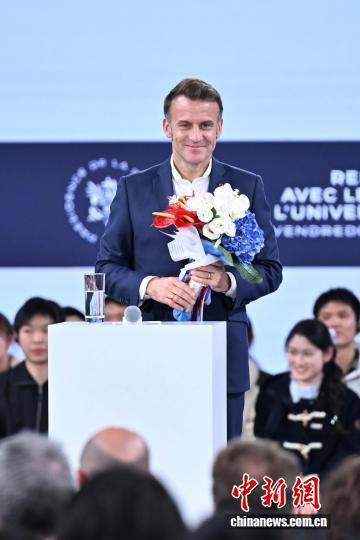
从“内陆腹地”到“开放高地” 四川省政协委员建言四川对外开放
Xin Lang Cai Jing· 2026-02-05 06:54
Core Viewpoint - Sichuan is leveraging its openness to expand development opportunities, focusing on building a sustainable "open circle" through various strategies and initiatives [1][3]. Group 1: Economic Development and Trade - By 2025, Sichuan's exports of new energy vehicles, photovoltaic products, and lithium batteries are projected to grow by 69.4%, with total import and export volume reaching 1,031.8 billion yuan [1]. - The provincial government aims to host significant international conferences and exhibitions, with 30 foreign dignitaries visiting Sichuan [1]. Group 2: Trade Structure and Services - The current trade structure in Sichuan needs optimization, with insufficient capabilities for enterprises to "go global" and weak foreign service support [3]. - Suggestions include accelerating the development of service trade, digital trade, and green trade to adapt to the changing international trade landscape [3]. Group 3: Long-term Cooperation and Talent - Emphasis on shifting from "one-time exchanges" to "long-term cooperation" by embedding collaboration within the industrial and innovation chains [3]. - The importance of talent, particularly returnees with overseas experience, is highlighted as a key resource for building a talent pool and providing strategic advice [5]. Group 4: Cultural and Tourism Development - Cultural tourism is identified as a crucial element in building the "open circle," with recommendations to create unique cultural tourism brands and enhance visitor experiences through technology [5]. - The focus is on deepening the cultural essence of well-known tourist sites to transform visitor engagement from mere sightseeing to immersive experiences [5].
主导产业拉动有力 郑州工业向新而行
Zheng Zhou Ri Bao· 2026-02-05 00:51
Group 1: Economic Growth and Industrial Performance - The industrial added value of Zhengzhou is projected to grow by 9% year-on-year by 2025, with over 70% of industries experiencing growth [1][2] - Among the 38 major industrial categories, 27 are expected to maintain growth, increasing the growth rate by 8.9 percentage points compared to 2024 [2] - Key industries such as electronics and automotive manufacturing are expected to see added value growth of 16.2% and 11.9% respectively, contributing 6.4 percentage points to the overall industrial growth [2] Group 2: Leading Enterprises and Their Contributions - Leading companies like Yutong Bus, Antu Bio, and Super Fusion are driving industrial transformation in Zhengzhou [3] - Yutong Group is expected to sell 63,798 commercial vehicles in 2025, achieving a revenue of 49.38 billion yuan, a year-on-year increase of 11.4% [3] - Yutong's sales of new energy buses are projected to grow by 22.94%, with exports reaching 17,149 units, a 22.49% increase [3][4] Group 3: Research and Development Investments - Antu Bio's R&D investment reached 545 million yuan in the first three quarters of 2025, accounting for 17.42% of its revenue, with over 1,000 medical device registrations [4] - Super Fusion, established in Zhengzhou in 2021, aims for a revenue target of 50 billion yuan in 2025, with rapid growth in its server business [4] Group 4: Systemic Competitiveness and Future Outlook - Zhengzhou's economic total is expected to exceed 1.5 trillion yuan by 2025, reflecting both quantitative and qualitative transformations [5] - The city has become a pilot for comprehensive market-oriented reform, enhancing its development potential [6] - Zhengzhou's talent pool has surpassed 3.2 million, supported by initiatives like the "Zheng Gathering Talent Plan" [6]


2025年郑州市GDP破1.5万亿!
Zheng Zhou Ri Bao· 2026-02-03 06:57
Core Viewpoint - In 2025, Zhengzhou's economy is projected to exceed 1.5 trillion yuan, demonstrating a stable and progressive development trend with a focus on high-quality growth [1] Economic Performance - The GDP of Zhengzhou in 2025 is estimated at 15,244.6 billion yuan, reflecting a year-on-year growth of 5.4% [1] - The primary industry added value is 189.9 billion yuan, growing by 3.7%; the secondary industry added value is 5,576.8 billion yuan, also growing by 5.4%; the tertiary industry added value is 9,477.8 billion yuan, with a growth rate of 5.4% [1] Production Supply - Agricultural production remains stable, with a total output value of agriculture, forestry, animal husbandry, and fishery increasing by 4% year-on-year [2] - The total grain output is 1.511 million tons, maintaining above 1.5 million tons for two consecutive years [2] - Industrial production shows robust growth, with the added value of large-scale industries increasing by 9% year-on-year, with over 70% of industries experiencing growth [2] Service Sector Development - The revenue of large-scale service industries increased by 10.1% year-on-year, with eight out of ten major sectors achieving positive growth [3] - Financial institutions' deposits reached 35,505.7 billion yuan, growing by 7.4%, while loans amounted to 41,660.5 billion yuan, increasing by 3.6% [3] Demand Release - Investment in major projects increased by 9.9% year-on-year, driving overall investment growth by 5.4 percentage points [4] - Industrial investment grew by 17.9% year-on-year, surpassing the provincial average by 4.6 percentage points [4] Consumer Market Growth - The total retail sales of consumer goods reached 6,629.4 billion yuan, with a year-on-year growth of 5% [5] - Retail sales of essential goods such as food and daily necessities saw significant increases, with food retail up by 21% [5] Foreign Trade - The total import and export volume reached 6,501.8 billion yuan, growing by 16.8% year-on-year, with exports increasing by 20.3% [6] Emerging Dynamics - The added value of high-tech manufacturing and strategic emerging industries grew by 14.9% and 11.8% respectively [7] - New consumption models such as live streaming and social e-commerce saw a year-on-year growth of 11.9% in retail sales through public networks [7] Quality and Efficiency Improvement - Public budget revenue reached 1,181.3 billion yuan, with social welfare and health spending increasing by 13.6% and 8% respectively [8] - Consumer price index (CPI) remained stable, with some categories experiencing price increases while others saw declines [8] Overall Economic Outlook - The economic outlook for Zhengzhou remains positive, with strong resilience and potential, although external uncertainties persist [9] - Future efforts will focus on enhancing technological innovation, industrial renewal, and urban development to support sustainable economic growth [9]
破1.5万亿!2025郑州经济稳中有进 趋新向好
Sou Hu Cai Jing· 2026-02-03 04:50
Core Viewpoint - In 2025, Zhengzhou's economy is projected to exceed 1.5 trillion yuan, demonstrating a stable and progressive development trend with a focus on high-quality growth [1] Group 1: Economic Performance - The GDP of Zhengzhou in 2025 is estimated at 15,244.6 billion yuan, reflecting a year-on-year growth of 5.4% [1] - The primary industry added value reached 189.9 billion yuan, growing by 3.7% year-on-year; the secondary industry added value was 5,576.8 billion yuan, also up by 5.4%; the tertiary industry added value was 9,477.8 billion yuan, with a growth of 5.4% [1] Group 2: Production Supply - Agricultural production remains stable, with a total output value of agriculture, forestry, animal husbandry, and fishery increasing by 4% year-on-year [2] - The total grain output is 1.511 million tons, maintaining above 1.5 million tons for two consecutive years [2] - Industrial production saw a significant increase, with the added value of large-scale industries growing by 9% year-on-year, with over 70% of industries reporting growth [2] Group 3: Service Sector Development - The revenue of large-scale service industries increased by 10.1% year-on-year, with eight out of ten major sectors achieving positive growth [3] - Key sectors such as water, environment, and public facilities management saw revenue growth of 36.9% [3] - Financial institutions reported a year-on-year increase in deposits of 7.4% and loans of 3.6% [3] Group 4: Demand Release - Major project construction is a key focus, with investments in projects over 100 million yuan increasing by 9.9% year-on-year [4] - Private investment grew by 7.8%, indicating a rising willingness for private sector investment [4] - Industrial investment maintained a high growth rate of 17.9% year-on-year, surpassing the provincial average [4] Group 5: Consumption Market - The total retail sales of consumer goods reached 662.94 billion yuan, growing by 5% year-on-year [5] - Retail sales of essential goods such as food and daily necessities saw significant increases, with food retail up by 21% [5] - Rural retail sales grew faster than urban sales, with a year-on-year increase of 5.4% compared to 5.0% in urban areas [5] Group 6: Foreign Trade - The total import and export volume reached 650.18 billion yuan, a year-on-year increase of 16.8% [6] - Exports increased by 20.3% to 427.55 billion yuan, while imports grew by 10.5% to 222.63 billion yuan [6] Group 7: New Growth Drivers - High-tech manufacturing and strategic emerging industries saw added value growth of 14.9% and 11.8% respectively [8] - New consumption models such as live streaming and social e-commerce are rapidly growing, with online retail sales increasing by 11.9% [8] - The cultural and tourism sectors are also experiencing significant growth, with revenue from cultural performances increasing by 30.4% [8] Group 8: Quality of Development - The local fiscal budget revenue reached 118.13 billion yuan, with social welfare and health spending increasing by 13.6% and 8% respectively [9] - Consumer price index (CPI) remained stable, with various categories experiencing different price changes [9] - Investment in agriculture, education, and cultural sectors saw substantial growth, indicating a focus on improving living standards [9] Group 9: Future Outlook - The city aims to implement policies to enhance technological innovation and industrial renewal, ensuring a solid foundation for sustainable economic growth [10]
地市专场记者会顺利举行,五城同台详解“十五五”施工图,广东湾区核心引擎齐发力
Nan Fang Nong Cun Bao· 2026-01-28 10:35
Core Viewpoint - The press conference highlighted the development strategies of five key cities in Guangdong, focusing on regional collaboration and innovation-driven growth as the main themes for the "14th Five-Year Plan" [5][6]. Group 1: City Development Strategies - Guangzhou aims to enhance its role as a global city by strengthening its transportation hub functions and fostering new economic drivers, focusing on the Nansha area as a strategic platform [9][10][11]. - Shenzhen emphasizes technological innovation as a means to drive new productivity, with a projected R&D investment of CNY 245.31 billion in 2024, marking a 9.7% increase [28][29][30]. - Zhuhai plans to leverage its unique geographical advantages to enhance economic ties with Hong Kong and Macau, targeting over 30 million passenger flows through the Hong Kong-Zhuhai-Macao Bridge by 2025 [52][53][54]. - Dongguan is set to integrate technology and manufacturing, focusing on artificial intelligence and advanced manufacturing as key growth areas [75][76][77]. - Huizhou aims for significant economic growth, with expectations to rank fourth in GDP growth in the province by 2025, driven by its "2+1" industrial layout [96][97][98]. Group 2: Economic and Industrial Focus - Guangzhou's development will focus on building a comprehensive transportation network and enhancing its global resource aggregation capabilities [12][13][14]. - Shenzhen's industrial output has consistently ranked first nationally, with strategic new industries showing double-digit growth [31][32][33]. - Zhuhai is targeting the development of marine and low-altitude economies, with plans to establish a world-class airport and port cluster [61][62][63]. - Dongguan's strategy includes fostering high-quality manufacturing and enhancing the competitiveness of local products through innovation [81][82][83]. - Huizhou's industrial focus includes the petrochemical and electronic information sectors, with significant contributions to the province's industrial output [101][102][103].

2025年成都都市圈地区生产总值突破3万亿元
Sou Hu Cai Jing· 2026-01-26 17:13
Core Insights - The Chengdu metropolitan area achieved a historic GDP milestone of 31,323.12 billion yuan in 2025, indicating significant progress in the coordinated development of Chengdu, Deyang, Meishan, and Ziyang [1] - Chengdu remains the economic leader with a GDP of 24,763.6 billion yuan, while Meishan entered the "200 billion club" with a GDP of 2,008.72 billion yuan [1] - The metropolitan area focuses on nine key industrial chains, achieving a total industrial chain output value exceeding 1.2 trillion yuan [1] Industrial Growth - The industrial economy across the four cities is experiencing rapid growth, with Chengdu's industrial added value increasing by 7.0% year-on-year [2] - Strategic emerging industries in Chengdu, such as new energy vehicles, lithium-ion batteries, and integrated circuits, saw significant production increases of 181.0%, 33.9%, and 23.3% respectively [2] - Deyang aims to recreate its industrial landscape, achieving an industrial output value surpassing 500 billion yuan [2] - Meishan's "1+3" industrial output reached 1,842.7 billion yuan, with key sectors like lithium batteries and photovoltaics growing by 31.1% and 5.2% respectively [2] - Ziyang's industrial added value surged by 13.3%, with leading growth in electronic information, clean energy, and equipment manufacturing sectors [2] Fixed Asset Investment - Fixed asset investment in Chengdu grew by 2.2% year-on-year, with significant increases in primary (20.2%) and secondary (20.0%) industry investments [3] - Industrial investment in Chengdu rose by 19.7%, while high-tech industry investment increased by 14.7%, and high-tech manufacturing saw a remarkable growth of 23.4% [3] - Deyang's fixed asset investment grew by 5.1%, maintaining a steady growth trend [3] - Meishan's second industry investment increased by 7.7%, laying a solid foundation for industrial upgrading and sustained economic development [3]
广东培育形成8个千亿级、17个百亿级现代农业产业集群
Zhong Guo Xin Wen Wang· 2026-01-26 10:49
Core Insights - Guangdong has developed 8 trillion-level and 17 hundred-billion-level modern agricultural industry clusters, leading the nation in total aquatic product output, marine fish farming output, and marine fish seedling output [1] - During the 14th Five-Year Plan period, Guangdong is advancing the construction of a modern industrial system, achieving breakthroughs in traditional, emerging, and future industries [1] - Major industrial projects such as BASF's core facility, ExxonMobil's first phase, and China Resources Microelectronics' 12-inch production line have been completed, with industries like electronic information, new energy vehicles, and low-altitude economy flourishing [1] Industry Development - Guangdong aims to elevate traditional industries such as electronics, machinery, chemicals, light industry, building materials, textiles, metallurgy, mining, and shipbuilding to mid-to-high-end levels, while strengthening brands in home appliances, food, clothing, furniture, jewelry, toys, and footwear [2] - The province will promote innovation infrastructure, technology R&D, and product upgrades, focusing on emerging industries like new energy, new materials, smart connected vehicles, robotics, pharmaceuticals, aerospace, integrated circuits, low-altitude economy, and biomanufacturing [2] - Guangdong will establish a long-term mechanism for rapid identification and precise policy implementation for new industry tracks, supported by a multi-level, systematic pilot service network and venture capital funds [2]
“双城”引领!川渝经济总量突破10万亿元
Xin Hua She· 2026-01-26 08:21
Core Viewpoint - The Chengdu-Chongqing economic circle is projected to surpass a total economic output of 10 trillion yuan by 2025, accounting for approximately 7.2% of the national economy, driven by a national strategy aimed at high-quality development in the western region [1][2]. Economic Growth - By 2025, the GDP of Chongqing is expected to reach 33,757.93 billion yuan, while Sichuan's GDP is projected to be 67,665.34 billion yuan, reflecting year-on-year growth rates of 5.3% and 5.5% respectively [1]. - The high-tech manufacturing sector in Sichuan is anticipated to see an increase in value added of 12.3%, while Chongqing's industrial output is expected to grow by 5.9% [1]. Industrial Development - The Chengdu-Chongqing region aims to establish four trillion-yuan industrial clusters and five national advanced manufacturing clusters, with over 70,000 technology-based enterprises [1]. - The region is focusing on strategic industries, particularly in electronic information, to enhance its industrial structure [1]. Reform and Integration - The "dual-city" pilot program has initiated reforms that promote economic and administrative separation, cross-province collaboration, and integrated financial systems, which are being expanded to the broader region and nationally [2]. Global Connectivity - The Chengdu-Chongqing area is enhancing its global market integration through initiatives like the China-Europe Railway Express and the Western Land-Sea New Corridor, with Chongqing's foreign trade expected to grow by 12% by 2025 [2]. Social Development - The region is committed to improving living standards, with per capita disposable income in Chongqing projected to increase by 4.7% and in Sichuan by 5.2% nominally by 2025 [2]. - Collaborative efforts are being made to build sustainable rural communities and promote ecological protection, reflecting a commitment to high-quality development [2].