入境游免签政策

Search documents
春秋航空董事长两会建言:扩大免签政策适用范围
第一财经· 2026-03-03 11:39
Group 1 - The core viewpoint of the article emphasizes the need for improvements in visa policies to boost inbound tourism in China, particularly through the simplification of transit visa regulations and the expansion of visa-free countries [3][4] - Wang Yu, the chairman of Spring Airlines, has made six proposals related to inbound tourism since 2019, highlighting the significant impact of visa-free policies on the recovery of inbound tourism, with over 30 million foreign visitors entering China in 2025 [3] - Current transit visa regulations require travelers to pass through specific ports, which creates confusion among foreign tourists, leading many to opt for nearby visa-free countries instead [3] Group 2 - Wang Yu suggests that the threshold for visa-free entry should be lowered, as compared to neighboring countries like Japan, South Korea, and Thailand, which offer visa-free stays ranging from 21 to 90 days for European and American tourists [4] - There is a lack of awareness among foreign tourists regarding China's existing visa-free and transit visa policies, with nearly 80% of inquiries from European and American tourists indicating unfamiliarity with these policies [4] - The article recommends enhancing overseas promotion of visa facilitation policies and implementing a support plan for content creators among young overseas audiences to share their experiences regarding China's visa convenience [4]



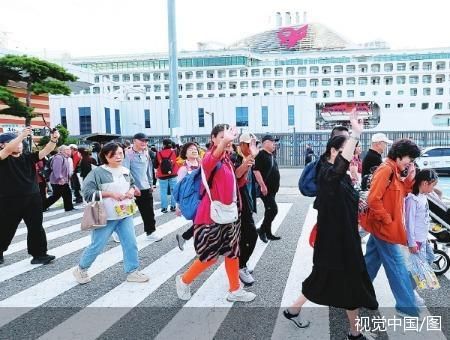
韩国对中国团体游客免签生效
Bei Jing Shang Bao· 2025-09-29 15:41
Core Points - The South Korean government has implemented a temporary visa exemption policy for Chinese group tourists, effective from September 29 to June 30 of the following year [2][3] - The policy allows groups of three or more Chinese tourists to enter South Korea without a visa for a stay of up to 15 days, while Jeju Island continues to allow both individual and group tourists to stay for 30 days without a visa [2] - The policy is expected to enhance tourism relations between South Korea and China, with hopes of increasing the number of Chinese visitors to Incheon [2][3] Industry Impact - The tourism industry anticipates that the initial impact of the visa exemption may not be immediately significant, but it is viewed as a symbolic gesture that could lead to a gradual increase in Chinese tourists visiting South Korea [3] - It is projected that by the end of the policy period on June 30, the number of Chinese tourists visiting South Korea could reach 1 million [3] - In the first half of the year, Chinese tourists accounted for 28.6% of all foreign visitors to South Korea, indicating the importance of this market for the South Korean tourism sector [2]