全固态电池技术突破

Search documents
中科大研究团队突破全固态电池瓶颈,成本暴降95%
Xuan Gu Bao· 2026-01-13 14:47
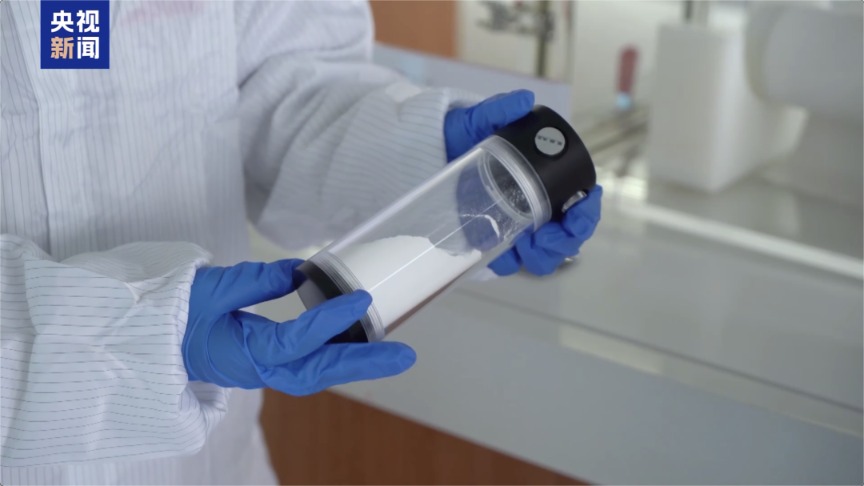
Group 1 - The research team led by Professor Ma Cheng from the University of Science and Technology of China has made significant progress in solid-state battery technology, developing a new solid electrolyte that reduces the dependency on pressure and lowers costs by 95%, potentially accelerating the commercialization of solid-state batteries [1] - Solid-state lithium batteries are considered a strong competitor in next-generation battery technology, offering superior safety and energy density compared to current liquid lithium-ion batteries. However, the commercialization faces challenges related to the contact between solid electrolytes and solid electrodes [1] - The newly developed solid electrolyte material, lithium zirconium aluminum chloride oxide, addresses the contact issue and is made from the economically viable raw material zirconium tetrachloride, which costs less than 5% of mainstream sulfide solid electrolytes, indicating strong commercial prospects [1] Group 2 - From a global energy storage technology perspective, solid-state batteries are a key technology that could reshape the new energy industry landscape, with various countries accelerating their investments. The research results from Professor Ma's team could advance the commercialization timeline from the expected 2030 to 2027-2028, positioning China advantageously in this core technology field [1] - Dongfang Zirconium Industry is the largest global supplier of solid electrolyte zirconium sources, specializing in products such as zirconium oxychloride and zirconium dioxide, and possesses a complete zirconium industry chain [1] - Sanxiang New Materials produces zirconium oxide products applicable to solid-state battery materials and is an important precursor for the production of zirconium tetrachloride [2]
能用1000年的全固态电池,真技术突破还是又一个营销噱头?
第一财经· 2026-01-06 08:59
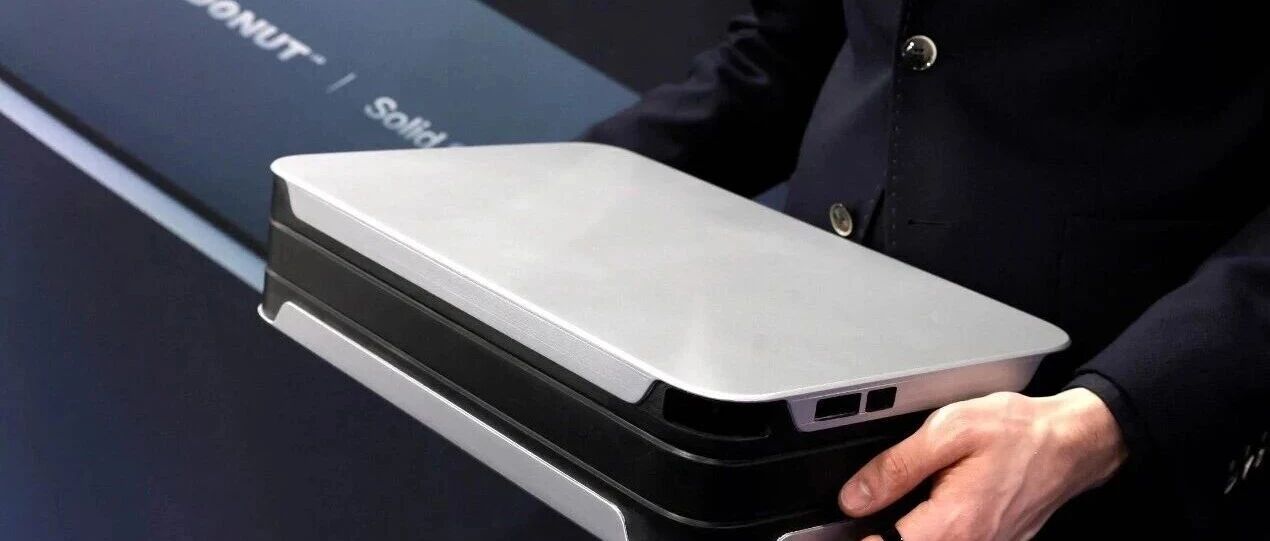
Core Viewpoint - Donut Lab, a Finnish startup, has introduced what it claims to be the world's first mass-producible all-solid-state battery, set to be used in Verge Motorcycles' TS Pro and Ultra electric motorcycles, potentially revolutionizing the battery industry with its superior performance metrics [3][4]. Group 1: Product Features - The all-solid-state battery boasts an energy density of 400Wh/kg, can be fully charged in five minutes, has a cycle life of 100,000 times, and is cheaper than lithium-ion batteries [4][5]. - It maintains over 99% capacity in extreme temperatures, both at -30°C and above 100°C, demonstrating high safety standards [4]. Group 2: Market Context - The battery industry has long faced the "impossible triangle" challenge of balancing performance, cost, and safety, making Donut Lab's claims potentially groundbreaking if realized in mass production [5]. - Current leading battery technologies, such as those from A123 and CATL, have significantly lower cycle lives, with the former at 1,200 cycles and the latter at over 3,000 cycles, making Donut Lab's claim of 100,000 cycles 33 times greater [5][6]. Group 3: Production Timeline and Challenges - Donut Lab plans to deliver the battery with the motorcycles in Q1 of this year, which is significantly faster than major automotive companies like Toyota, which have delayed their solid-state battery production timelines to 2027-2028 [7]. - The company has not disclosed specific details about the design, technology, or production facilities for the battery, leaving questions about the feasibility of their claims [7].

电车续航有望突破1000公里!全固态电池开发有新进展
Yang Shi Xin Wen· 2025-11-23 04:18
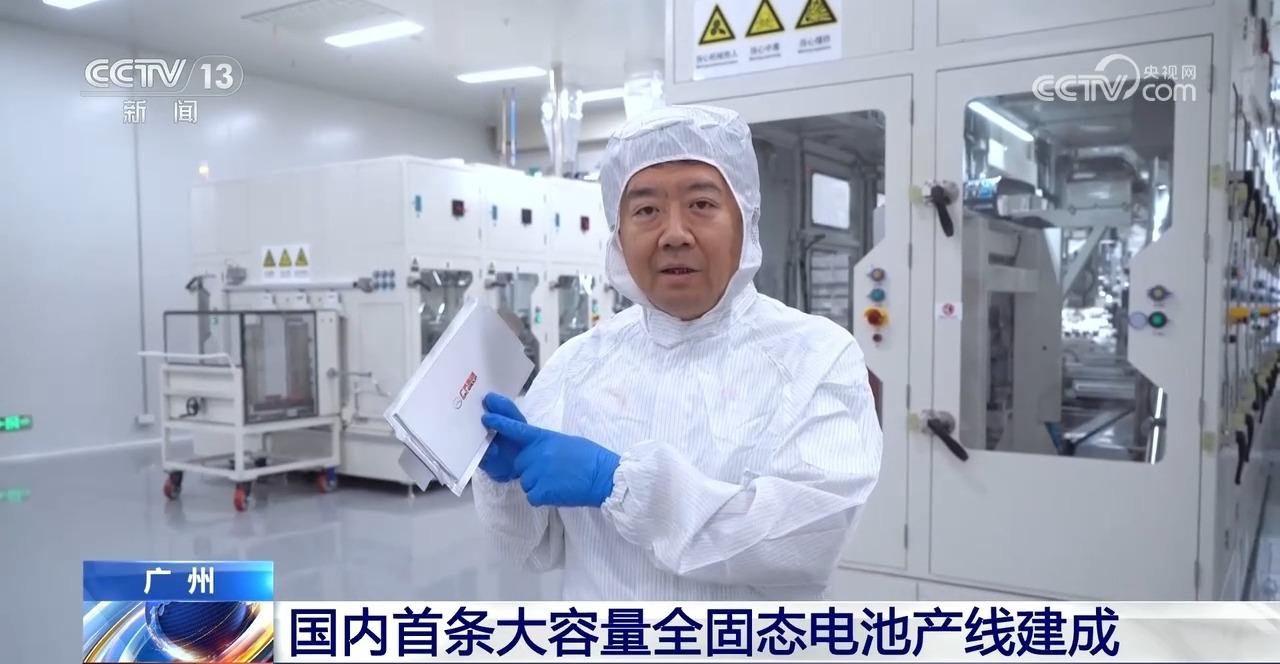
Core Viewpoint - The development of all-solid-state batteries is a significant driving force for the future of the new energy vehicle industry, with the first large-capacity production line in China now undergoing small-scale testing [1][3]. Group 1: Advantages of All-Solid-State Batteries - All-solid-state batteries have a major advantage over traditional lithium-ion batteries as they contain no liquid, utilizing solid materials instead, which enhances safety and extends the driving range of future electric vehicles [1]. - The "liquid-free" battery's advantages stem from two key innovations in the production line: the integration of three traditional processes (slurry preparation, coating, and rolling) into a single dry process, which reduces energy consumption and improves efficiency [1]. - A core breakthrough in the technology is the replacement of traditional liquid electrolytes with self-developed solid electrolyte materials, significantly improving the product's heat resistance and safety [1]. Group 2: Industrialization and Production Plans - The next step following the technological breakthrough in production lines is the industrialization and implementation of these batteries, with GAC Group establishing the first large-capacity all-solid-state battery production line capable of mass production of automotive-grade batteries with over 60 amp-hours [3]. - The energy density of the newly developed all-solid-state batteries is nearly double that of existing batteries, enabling vehicles with a range of over 500 kilometers to achieve more than 1000 kilometers after usage [5]. - Plans are in place for small-scale vehicle testing by 2026, with gradual mass production expected between 2027 and 2030 [5].

国内首条大容量全固态电池产线建成 小批量测试生产
Yang Shi Wang· 2025-11-21 23:22
Group 1 - The core viewpoint is that all-solid-state batteries are becoming a significant driving force for the future development of the new energy vehicle industry [1] - The first large-capacity all-solid-state battery production line in China has been established and is currently undergoing small-scale testing [1] - The production line features two key innovations: a dry process that combines three traditional steps into one, reducing energy consumption and increasing efficiency [1] Group 2 - A major breakthrough in the production process is the shift from traditional liquid electrolytes to self-developed solid electrolyte materials, significantly enhancing the product's heat resistance and safety [1] - The production line at GAC Group is the first in the country to meet the conditions for mass production of automotive-grade all-solid-state batteries with a capacity of over 60 ampere-hours [3]
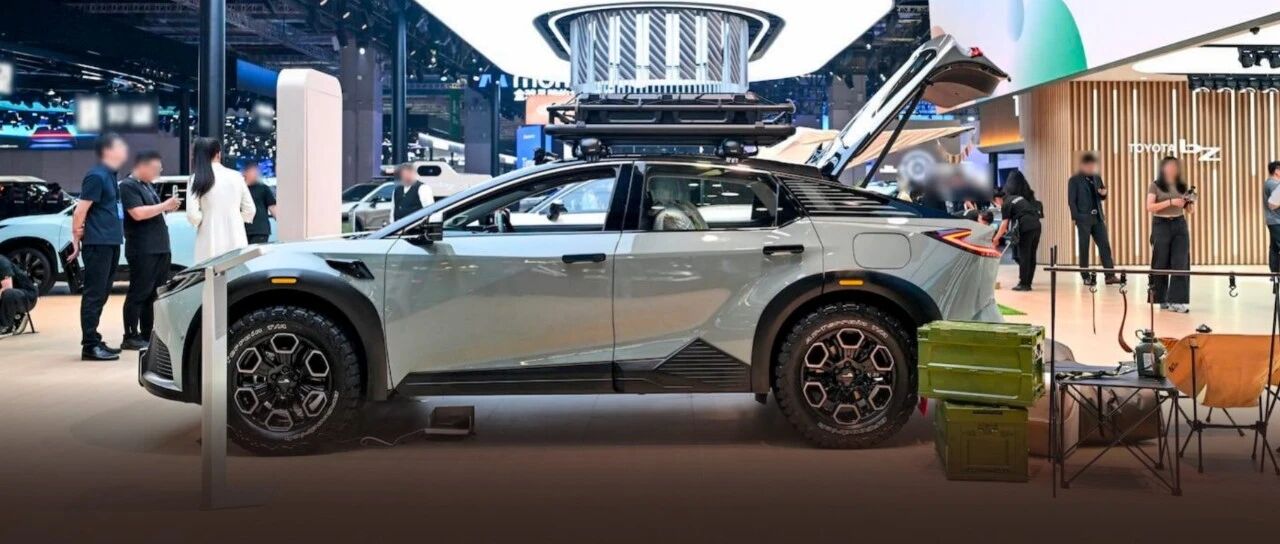
固态电池消息撩人:两个来自中国,一个来自日本
汽车商业评论· 2025-10-09 23:08
Core Insights - Recent advancements in solid-state battery technology have emerged, with significant breakthroughs reported from Chinese research teams and a collaborative effort from Japanese companies [3][5][8] Group 1: Chinese Research Breakthroughs - The Chinese Academy of Sciences' research team has developed a new type of material that integrates ion conduction and electrochemical activity, achieving a significant increase in ion transport efficiency and a 86% improvement in energy density when used in composite cathodes [7] - Another team led by Huang Xuejie has introduced an anion regulation technology that enhances the interface stability between the electrolyte and lithium electrode, resulting in a prototype battery that maintains performance over hundreds of cycles [7] Group 2: Japanese Industry Response - Toyota and Sumitomo Metal Mining have announced a partnership to develop and produce cathode materials for solid-state batteries aimed at electric vehicles, marking a strategic shift in Sumitomo's battery materials business [8] - Toyota aims to launch electric vehicles equipped with solid-state batteries by 2027-2028, indicating a strong commitment to advancing solid-state technology [8][11] Group 3: Industry Challenges and Comparisons - The transition to solid-state batteries faces significant challenges, including low ionic conductivity of solid electrolytes, high material costs, and complex manufacturing processes that hinder large-scale production [19][20] - Current lithium-ion battery technologies, such as lithium iron phosphate (LFP) and high manganese batteries, continue to dominate the market due to their improved energy density and cost-effectiveness, suggesting that solid-state batteries may initially be limited to high-end applications [22][23]