全球能源市场波动

Search documents
刚刚,直线飙升!特朗普,突然释放重磅信号!
券商中国· 2026-03-31 01:16
Market Overview - The Asia-Pacific stock markets experienced significant volatility, with Japan's Nikkei 225 index dropping over 2.5% at one point, while South Korea's KOSPI index fell more than 4% before recovering slightly. As of the latest update, the Nikkei 225 was down 1.22% and the KOSPI was down 2.52% [1] - U.S. stock index futures showed a rebound, with the Nasdaq futures up 0.43%, Dow futures up 0.57%, and S&P 500 futures up 0.49% after earlier declines [1] Oil Market - International oil prices surged, with WTI crude oil rising over 3% to exceed $106 per barrel, following a previous day's increase that closed at $102.88 per barrel, marking the highest level since July 2022 [2] Geopolitical Tensions - Iran's Islamic Revolutionary Guard Corps (IRGC) announced a series of strikes against U.S. and Israeli targets, including a U.S. military command center in the UAE and a meeting location for U.S. Navy officials in Bahrain. The IRGC claimed to have used precision-guided missiles and drones for these attacks [3][4] - Iran's first vice president warned U.S. President Trump against deploying troops to the strategic Khark Island, which is crucial for Iran's oil exports, as 90% of the country's oil is shipped from there [5] Red Sea Shipping Concerns - Reports indicate that Iran is preparing the Houthi forces in Yemen to resume actions against shipping in the Red Sea, contingent on U.S. military actions against Iran. The Houthis are considering more aggressive actions, which could disrupt global energy markets [6][7] - The potential for Houthi attacks in the Red Sea and the Mandeb Strait could further complicate the global oil supply chain, especially if combined with disruptions in the Strait of Hormuz, leading to increased oil prices and economic pressures globally [7]


美国给以色列“立规矩”
中国能源报· 2026-03-11 11:38
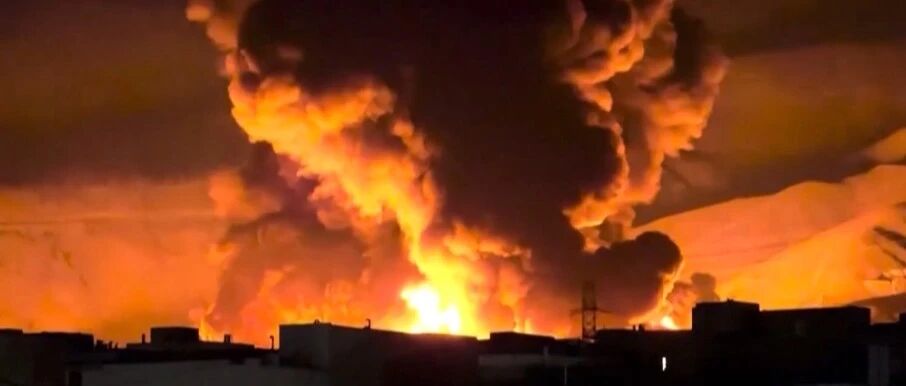
Core Viewpoint - The Trump administration has requested Israel to cease airstrikes on Iranian energy facilities, particularly oil infrastructure, due to concerns over rising global oil prices and potential Iranian retaliation against Gulf energy infrastructure [1][2]. Group 1 - The request from the Trump administration marks the first significant constraint on Israeli military actions against Iran since the commencement of joint military operations [1]. - The U.S. government views strikes on Iranian oil facilities as a "last resort," only to be considered if Iran attacks energy facilities in Gulf countries first [2]. - Recent Israeli military actions have targeted multiple fuel storage facilities in Tehran, impacting the operations of energy facilities in Middle Eastern oil-producing countries and causing significant fluctuations in the global energy market [3]. Group 2 - The U.S. Energy Secretary, Chris Wright, clarified that there are no plans to attack Iran's energy sector, emphasizing that the actions are solely those of Israel [5].
美国给以色列“立规矩”
第一财经· 2026-03-11 04:12
Core Viewpoint - The article discusses the recent request from the Trump administration to Israel to halt airstrikes on Iranian energy facilities, particularly oil infrastructure, due to concerns over rising global oil prices and potential retaliatory actions from Iran [1][3]. Group 1: U.S.-Israel Relations - The Trump administration has imposed significant constraints on Israel's military actions against Iran, marking the first time such a request has been made since the initiation of joint military operations [1]. - The U.S. views attacks on Iranian oil facilities as a "last resort," only to be considered if Iran first attacks energy infrastructure in Gulf countries [1]. Group 2: Impact on Energy Markets - Israeli airstrikes on Iranian fuel storage facilities have already affected the operations of energy facilities in Middle Eastern oil-producing countries, leading to significant volatility in global energy markets [1]. - The U.S. Energy Secretary, Chris Wright, clarified that the U.S. does not plan to attack Iran's energy sector, distancing the U.S. from Israel's military actions [3].

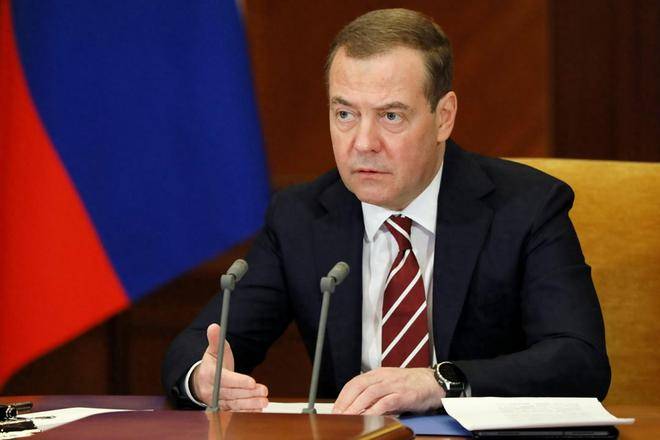
石油巨头遭重锤!美制裁俄罗斯石油公司,梅德韦杰夫:美国是敌人
Sou Hu Cai Jing· 2025-10-27 04:41
Group 1 - The core point of the article highlights the deteriorating relations between the US and Russia, marked by strong rhetoric and sanctions, with Russia labeling the US as an "enemy" [1] - The US imposed sanctions on two major Russian oil companies, Rosneft and Lukoil, which triggered a harsh response from Russia, indicating a potential escalation towards conflict [1][3] - The EU followed suit with its 19th round of sanctions against Russia, targeting not only the energy and financial sectors but also Russia's "shadow oil tanker fleet" [1] Group 2 - Russia's Foreign Ministry stated that Western sanctions are counterproductive and could disrupt the global energy market, indicating that Russia is preparing retaliatory measures [3] - Ukraine welcomed the new round of US sanctions, viewing them as a means to increase pressure on Russia and improve its negotiating position, although this optimism may be misplaced [4] - The ongoing sanctions and military aid to Ukraine have led to a stalemate in US-Russia relations, with both sides unwilling to compromise, complicating the situation in Eastern Europe [5][4] Group 3 - The sanctions war is beginning to impact the global energy market, with potential volatility in international oil prices as the winter approaches and energy supplies tighten in Europe [9] - The cancellation of a planned meeting between Trump and Putin reflects the significant decline in US-Russia relations, with both sides now openly hostile towards each other [9]