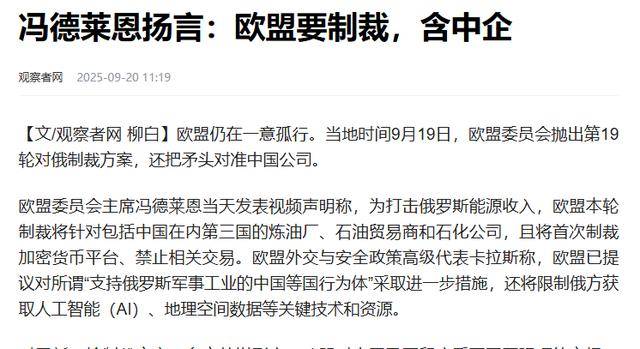
制裁与反制

Search documents
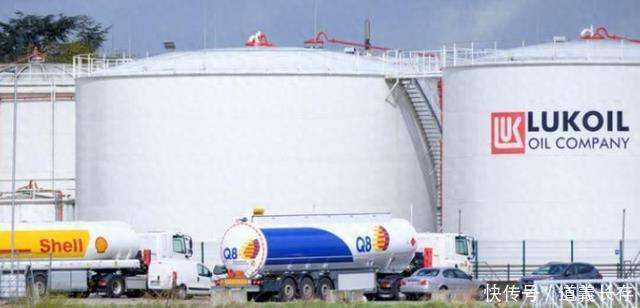
英美对俄油下死手?卢克石油清空海外资产,特朗普施压成笑话!
Sou Hu Cai Jing· 2025-11-20 06:23
Core Insights - The article discusses the recent developments surrounding the sanctions imposed by the U.S. and the U.K. on Russian oil giant Lukoil, highlighting the company's response through asset divestiture [1][2][3] Group 1: Company Overview - Lukoil has initiated a plan to divest overseas assets in response to sanctions, evaluating potential buyers [1] - The company, founded in 1991, is the second-largest oil producer in Russia, accounting for 2% of global oil production and employing over 100,000 people worldwide [1][2] Group 2: Business Operations - By the end of 2024, Lukoil plans to operate approximately 2,500 gas stations across 20 countries, with daily exports of 730,000 barrels of crude oil and 300,000 barrels of petroleum products [2] - The company is projected to achieve a net profit of $10 billion in 2024 [2] Group 3: Sanctions Context - The sanctions were announced due to Russia's failure to fulfill commitments regarding the peace process in Ukraine, while Russia claims to seek a lasting solution [2] - Russian officials, including President Putin, have stated that the sanctions are viewed as unfriendly actions and will not significantly impact the Russian economy [3] Group 4: Market Response - Lukoil's asset sales are seen as a strategy to maintain business continuity and circumvent the constraints imposed by sanctions, rendering the U.S. sanctions less effective [3] - The ongoing dynamics between sanctions and countermeasures create uncertainty regarding the involvement of potential buyers and the future of this geopolitical conflict [3]

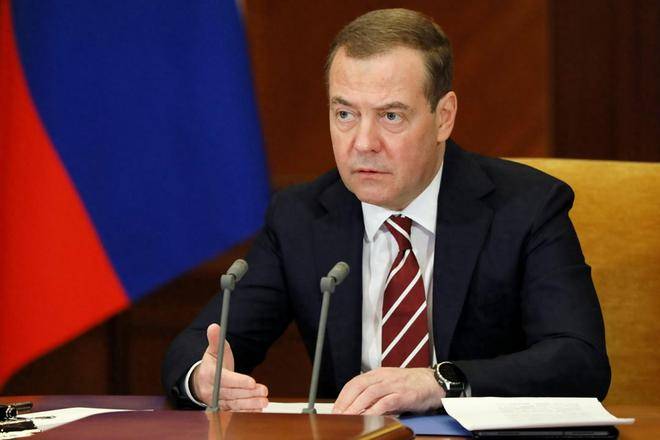
石油巨头遭重锤!美制裁俄罗斯石油公司,梅德韦杰夫:美国是敌人
Sou Hu Cai Jing· 2025-10-27 04:41
Group 1 - The core point of the article highlights the deteriorating relations between the US and Russia, marked by strong rhetoric and sanctions, with Russia labeling the US as an "enemy" [1] - The US imposed sanctions on two major Russian oil companies, Rosneft and Lukoil, which triggered a harsh response from Russia, indicating a potential escalation towards conflict [1][3] - The EU followed suit with its 19th round of sanctions against Russia, targeting not only the energy and financial sectors but also Russia's "shadow oil tanker fleet" [1] Group 2 - Russia's Foreign Ministry stated that Western sanctions are counterproductive and could disrupt the global energy market, indicating that Russia is preparing retaliatory measures [3] - Ukraine welcomed the new round of US sanctions, viewing them as a means to increase pressure on Russia and improve its negotiating position, although this optimism may be misplaced [4] - The ongoing sanctions and military aid to Ukraine have led to a stalemate in US-Russia relations, with both sides unwilling to compromise, complicating the situation in Eastern Europe [5][4] Group 3 - The sanctions war is beginning to impact the global energy market, with potential volatility in international oil prices as the winter approaches and energy supplies tighten in Europe [9] - The cancellation of a planned meeting between Trump and Putin reflects the significant decline in US-Russia relations, with both sides now openly hostile towards each other [9]
拿到2582吨稀土,欧盟变脸了,制裁令将发往中国,目标是12家中企
Sou Hu Cai Jing· 2025-09-24 06:35
Core Viewpoint - The article discusses the complex dynamics between the EU and China regarding rare earth exports and sanctions, highlighting the EU's reliance on Chinese resources while simultaneously imposing sanctions on Chinese companies. Group 1: Rare Earth Exports - In August 2025, China's customs data revealed that rare earth magnet exports to the EU reached 2,582 tons, a month-on-month increase of 21% [1] - The EU relies almost entirely on China for rare earth imports, which are critical for industries such as automotive and aerospace [1] - Despite the recent recovery in rare earth supply, the EU's sanctions against Chinese companies raise questions about the sustainability of this cooperation [1] Group 2: EU Sanctions - The EU's 19th round of sanctions includes 12 Chinese companies, reflecting a response to pressure from the US and internal EU dynamics [2][4] - The sanctions are seen as a compromise under three pressures: compliance with US demands, maintaining a strong stance against Russia, and advancing a technology blockade strategy [2][4][6] - The EU's actions may undermine its own economic interests, as member states have differing views on the sanctions, complicating the implementation process [14] Group 3: China's Response - China maintains a rational and restrained approach to the EU's sanctions, emphasizing the importance of protecting its companies' rights without escalating tensions [8][19] - Historical examples show that China has responded to sanctions with targeted measures, indicating a willingness to defend its interests while avoiding unnecessary conflict [8][12] - China's control over over 90% of global rare earth separation and purification technology positions it strategically in the ongoing trade dynamics [10] Group 4: Economic Interdependence - The economic relationship between China and the EU is deeply intertwined, with significant dependencies on each other's markets, particularly in sectors like automotive and agriculture [12][19] - The potential economic repercussions of continued sanctions could harm both parties, as demonstrated by the impact of previous trade restrictions on Spanish pork exports [12][19] - The article emphasizes that cooperation, rather than confrontation, is essential for both sides to navigate the complexities of their relationship [16][21]