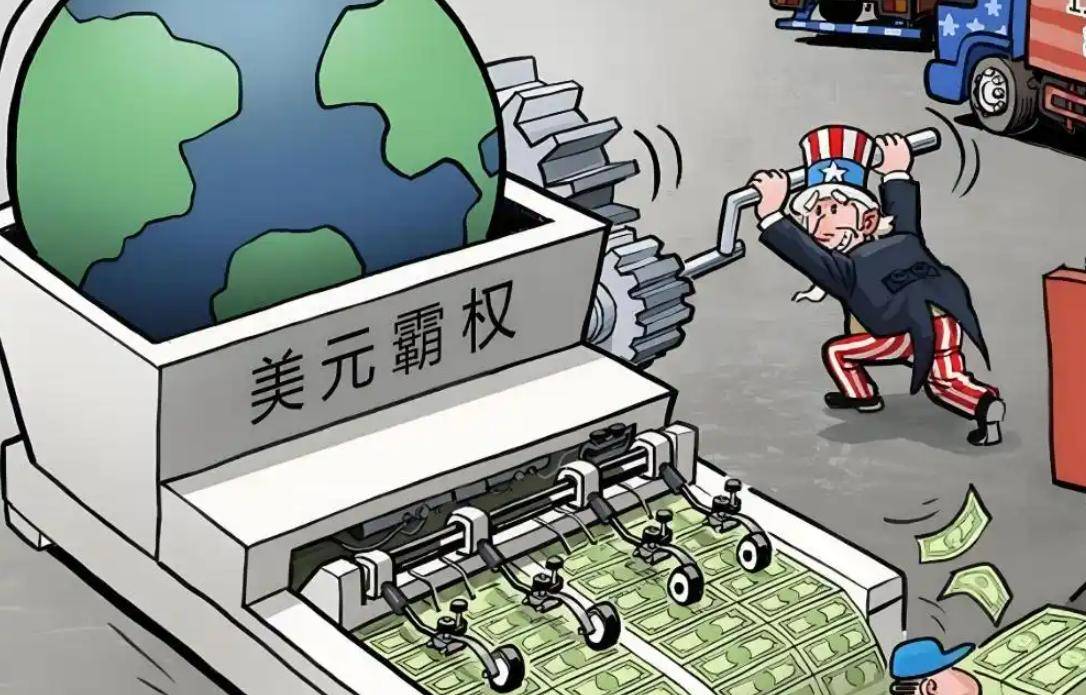
全球货币体系大分流

Search documents
美元霸权黄昏已至,全球货币革命正在上演,人民币迎来黄金时代
Sou Hu Cai Jing· 2026-02-24 02:35
Core Viewpoint - A significant shift in the global monetary system is underway, characterized by the decline of the US dollar's dominance and the rise of the Chinese yuan, marking the onset of a "great diversion" in the global currency landscape [2][4]. Group 1: Decline of Dollar Dominance - The foundation of dollar hegemony was established post-World War II through the Bretton Woods system, which linked the dollar to gold and other currencies to the dollar, making it the global reserve and settlement currency [2]. - The dollar's dominance has been undermined by the US's excessive money supply growth, which has led to global inflation and financial sanctions that have made other countries wary of relying on the dollar [2][4]. - The share of the dollar in global foreign exchange reserves has fallen from over 70% at its peak to below 50%, indicating a continuous decline in its reserve currency status [4]. Group 2: Rise of the Yuan - The internationalization of the yuan is experiencing a golden period, with significant growth in cross-border yuan transactions, reaching 32.4 trillion yuan in 2025, a 9% increase year-on-year [4][5]. - Many countries are increasingly using the yuan for trade and investment, with major commodities like oil and iron ore being settled in yuan, reducing exposure to dollar sanctions [5]. - China's economic and industrial strength supports the yuan's rise, positioning it as a credible alternative to the dollar, based on strength, integrity, and cooperative growth rather than military threats [7]. Group 3: Future of Global Currency System - The transition in the international monetary system reflects a multipolar global economy, where the economic power of the US is no longer singular, and countries like China, Russia, and the EU are gaining influence [7]. - The rise of the yuan is not aimed at replacing the dollar but rather at breaking its monopoly to create a more equitable and diverse global monetary system, allowing all nations equal opportunities in the financial realm [7].