全链升级

Search documents
泽及农业 黑土定制出“金穗”
Xin Lang Cai Jing· 2026-02-08 22:42
Core Insights - The article highlights the innovative practices of Zheji Agriculture in modernizing agricultural production through customized services and technology, enhancing the value of local agricultural products [1][2][3][4][5] Group 1: Production and Supply Chain - Zheji Agriculture employs an "order-based production" model, allowing farmers to know in advance what to plant and how much to produce, thus ensuring stable supply and addressing sales challenges [2] - The company has established long-term partnerships with over 20 large restaurant groups and 15 well-known gift companies, achieving a production value exceeding 50 million yuan for its corn series customized products [2] Group 2: Brand Empowerment and Customization - The "Xiao Xiong Bai Bai" series features a variety of customized products that cater to individual needs, enhancing brand recognition and product appeal [3] - Zheji Agriculture's patented technology retains dietary fiber while improving product taste and nutritional absorption, contributing to a significant increase in product value [3] Group 3: Innovation and Digitalization - The company has introduced a new product line, including customized cold-water fish packages, generating an additional 16 million yuan in revenue [4] - Zheji Agriculture utilizes a digital management system to monitor production and logistics in real-time, ensuring efficiency and transparency throughout the product lifecycle [4][5] - The establishment of a digital supply-demand platform and a comprehensive quality traceability system enhances consumer trust and fosters deeper partnerships with clients [5]
红果破价潮 双镇启振兴:博兴西红柿产业的新生突围与深耕之路
Qi Lu Wan Bao· 2026-02-06 12:39
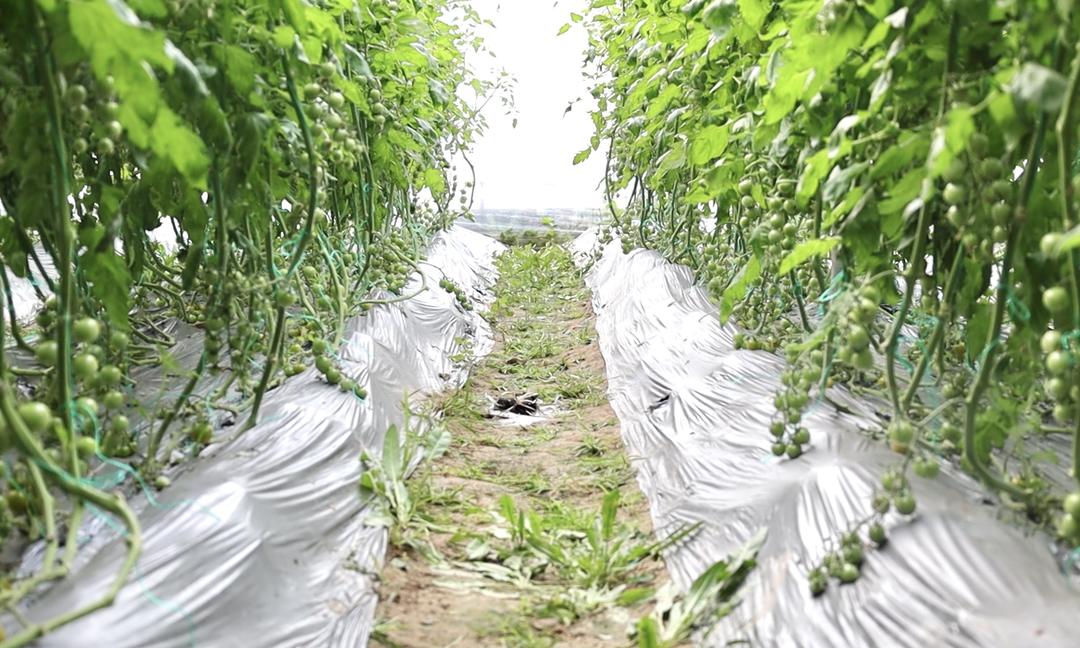
Core Viewpoint - The article highlights the significant price increase of tomatoes in China, particularly in Shandong province, and how different regions are adapting their agricultural practices to capitalize on market demand and enhance farmer income through innovative strategies and technology [1][3][12]. Group 1: Price Trends and Market Dynamics - The average wholesale price of tomatoes in China is projected to reach 4.62 yuan per kilogram by January 2026, marking an 80.9% year-on-year increase, with some regions exceeding 6 yuan per kilogram [3]. - In Shandong's Binzhou, high-end small tomatoes are in high demand, priced at 11 yuan per kilogram, while standard tomatoes are sold at 5-10 yuan per kilogram in supermarkets [1][3]. Group 2: Innovative Agricultural Practices - Lüyi Town has initiated a project focusing on high-end tomato varieties, avoiding competition with bulk products and targeting premium markets, resulting in a stable market price of 11 yuan per kilogram, which is 2-3 times higher than regular varieties [4][12]. - The project employs a dual sales model of "order sales + picking experience," which not only secures high-end supermarket channels but also attracts local tourists, creating diverse income streams for farmers [6]. Group 3: Technological Empowerment and Quality Improvement - In Dianzhen, the introduction of new tomato varieties, such as the Jiahong 100, has improved market competitiveness, with yields of 5,000 to 6,000 jin per mu and prices between 6.5 to 7 yuan per kilogram, outperforming standard varieties [10][12]. - The integration of technology and research has enhanced the resilience and profitability of the tomato industry in Dianzhen, allowing it to withstand price fluctuations and maintain supply stability [8][12]. Group 4: Pathways to Rural Revitalization - The experiences of Lüyi and Dianzhen towns illustrate two distinct pathways for rural revitalization: Lüyi's focus on niche high-end markets and Dianzhen's emphasis on technology and scale, both moving away from traditional planting methods towards market-oriented and technology-driven approaches [12][14]. - The article emphasizes the need for rural industries to shift from "blindly following market trends" to "precisely aligning with market demands, empowering production through technology, and enhancing value across the supply chain" [12][14].

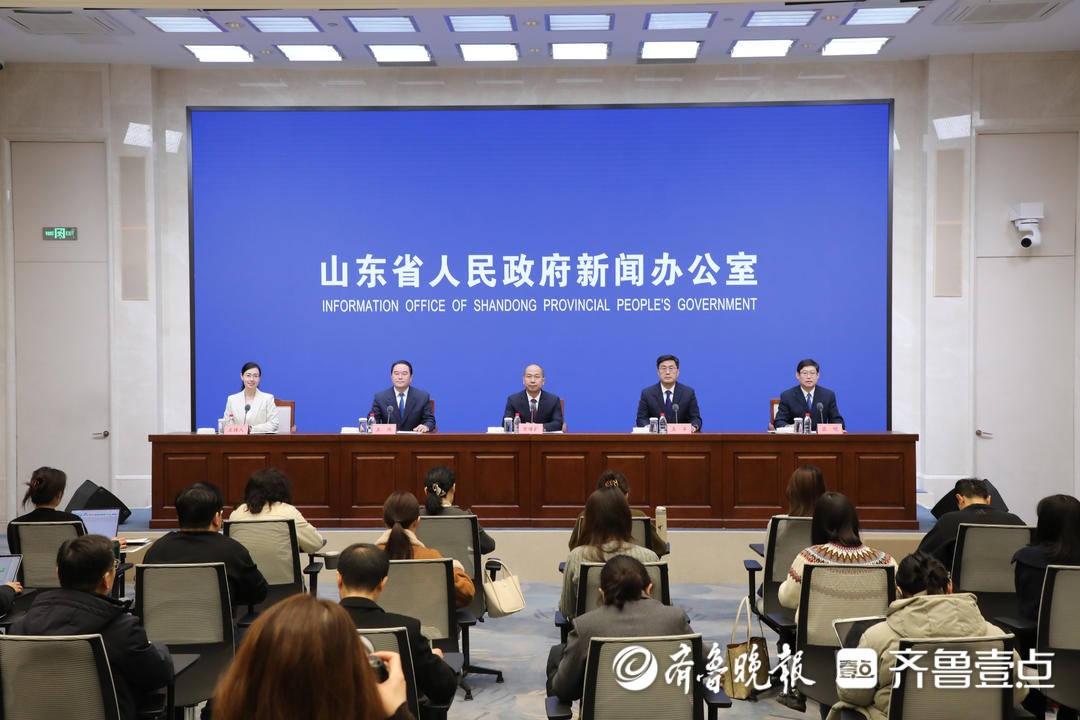
聚焦粮食精深加工与循环利用,山东粮食深加工产品达600余种
Qi Lu Wan Bao· 2025-12-26 07:55
Core Viewpoint - During the "14th Five-Year Plan" period, Shandong Province is committed to strengthening its grain industry, achieving significant progress in various aspects of grain production and processing [1] Group 1: Technological Empowerment - The implementation of the "Grain Core Plan" aims to overcome industrial upgrade bottlenecks through technological breakthroughs, with a total investment of 6.68 billion yuan in R&D projects, resulting in 1,254 patents [3] - Five major technology innovation centers for wheat, corn, soybeans, high oleic peanut oil, and by-product resource utilization have been established in Shandong [3] - Key technological advancements include the extraction of arabinoxylan from wheat by-products and the development of new functional edible oils with glycerol diester content between 40% and 80% [3] Group 2: Industry Chain Upgrading - The deep processing of grain has resulted in over 600 products, with a by-product utilization rate exceeding 98%, and Shandong produces over 60% of the country's soybean protein [4] - The establishment of a "135" emergency supply circle enhances supply chain optimization, ensuring timely grain supply within urban areas [4] - The transition from "grain processing" to "food production" has led to the emergence of 20 leading enterprises in the staple food industry [4] Group 3: Cluster Development - Shandong has cultivated significant industrial clusters, with 10 out of the top 50 national grain enterprises located in the province, and 19 counties recognized as top 100 grain economic counties [4] - The province is recognized for its edible plant oil industry, with major production bases in cities like Qingdao and Yantai, contributing to over 50% of the national output of peanut and corn oil [4] - The growth of specialized deep processing clusters, such as high-quality wheat and soybean processing areas, continues to expand [4] Group 4: Future Goals - The Shandong Provincial Grain and Material Reserve Bureau aims to deepen technological innovation and cluster development, targeting the establishment of three trillion-yuan-level grain and oil industry clusters and ten leading enterprises with annual revenues exceeding 20 billion yuan by 2030 [5]