
粮食产业高质量发展

Search documents
中经评论:粮食主产区抓项目切莫一哄而上
Sou Hu Cai Jing· 2026-02-25 23:40
Core Viewpoint - The development of the grain industry in major production areas is being encouraged by the central government, but there is a need for careful planning and rational decision-making to avoid hasty project launches that could lead to resource misallocation and overcapacity [1][2][4] Group 1: Industry Development and Challenges - Major production areas are eager to convert grain resource advantages into economic benefits, but this urgency can lead to misguided projects [2] - The influx of social capital driven by policy incentives may result in projects that do not adequately consider industry characteristics and investment risks [2][3] - There is a risk of repetitive construction due to a "me too" mentality among regions, which can exacerbate competition and dilute the effectiveness of projects [2] Group 2: Strategic Planning and Implementation - A comprehensive national strategy is needed to enhance the high-quality development of the grain industry, focusing on the comparative advantages and functional positioning of each major production area [2] - Local governments should analyze their resource endowments and market conditions to identify unique development paths, promoting regional collaboration to avoid homogeneous competition [2][3] Group 3: Project Evaluation and Policy Recommendations - Establishing a robust project evaluation and admission mechanism is crucial, with an emphasis on projects that can fill gaps in the industrial chain and enhance value [3] - The approval process should be transparent and involve industry experts to prevent arbitrary decision-making [3] - Policies should prioritize long-term outcomes over short-term metrics, focusing on sustainable development and effective resource allocation [3][4]
破解粮食加工产能结构性失衡|粮食大事
Xin Lang Cai Jing· 2026-02-05 06:55
Core Viewpoint - The grain processing industry is crucial for food security and rural revitalization, but it faces structural imbalances that hinder sustainable development. The focus should shift from scale expansion to quality and efficiency improvement [1]. Group 1: Structural Imbalances - The grain processing capacity is characterized by an excess in primary processing and a deficiency in deep processing. Many small and medium enterprises operate at low efficiency, while high-value products are underdeveloped [2]. - The current processing mainly focuses on ordinary rice and general flour, with a lack of specialized and high-value products. By-products like rice bran and bran are not utilized effectively, leading to resource waste [2]. Group 2: Planning and Optimization - There is a need for better planning and optimization of the grain processing industry to avoid redundant low-level projects. A national grain processing industry map should be established to guide capacity integration and development [3]. - The industry should focus on coordinated development of primary processing, deep processing, and by-product utilization, ensuring that value-added benefits remain within local areas [3]. Group 3: Industry Chain Extension - The grain industry should extend its value chain by moving from primary to deep processing, developing specialized grains and functional foods, and exploring new strategic industries like bio-materials and bio-pharmaceuticals [4]. - By fully utilizing by-products, the industry can break free from low-end competition and achieve a balance between economic and ecological benefits [4]. Group 4: Technological Innovation - The grain deep processing sector is technology-intensive but faces challenges such as insufficient R&D investment and poor integration of research and application. A focus on technological innovation is essential for industry transformation [5]. - Emphasis should be placed on developing key equipment, enhancing the utilization of by-products, and creating a collaborative innovation system to drive high-quality development in the grain industry [5].
中经评论:破解粮食加工产能结构性失衡
Jing Ji Ri Bao· 2026-02-05 00:02
Core Viewpoint - The grain processing industry is crucial for food security and rural revitalization in China, but it faces structural imbalances that hinder sustainable development. The focus should shift from scale expansion to quality and efficiency improvement [1]. Group 1: Structural Imbalances - The grain processing capacity is characterized by an excess in primary processing and a shortage in deep processing. Many small and medium-sized enterprises operate at low efficiency, while high-value products are underdeveloped [2]. - The current processing mainly focuses on common rice and general flour, with a lack of specialty products and insufficient utilization of by-products like rice bran and bran [2]. Group 2: Planning and Optimization - There is a need for better planning and optimization of the grain processing industry to avoid redundant low-level construction. The government should create a national grain processing industry map to guide capacity integration and development [3]. - A long-term mechanism for capacity exit should be established to phase out outdated capacities while avoiding a simplistic "one-size-fits-all" approach [3]. Group 3: Industry Chain Extension - The grain industry should extend its value chain by moving from primary to deep processing, developing specialized grains and functional foods, and exploring new strategic industries like bio-materials and bio-pharmaceuticals [4]. - By fully utilizing by-products, the industry can break free from low-end competition and achieve a balance between economic and ecological benefits [4]. Group 4: Technological Innovation - The grain processing sector is technology-intensive but faces challenges such as insufficient R&D investment and poor integration of research and application. A focus on technological innovation is essential for industry transformation [5]. - Emphasis should be placed on developing new technologies for high-value utilization of by-products and creating a collaborative innovation system that integrates academia and industry [5].
破解粮食加工产能结构性失衡
Jing Ji Ri Bao· 2026-02-04 22:15
Core Viewpoint - The grain processing industry in China faces a structural imbalance characterized by an excess of primary processing capacity and a lack of deep processing capacity, necessitating coordinated efforts to enhance deep processing capabilities and ensure food security while promoting rural revitalization [1][2][5]. Group 1: Structural Imbalance - The grain processing capacity is currently imbalanced, with primary processing capacity being excessive and deep processing capacity insufficient [2]. - Many small and medium-sized processing enterprises operate at low efficiency, while only a few leading companies maintain high operating rates [2]. - There is a lack of high-value-added products in deep processing, with most rice processing focused on ordinary rice, and limited development of specialty products like selenium-rich rice and rice oil [2]. Group 2: Industry Development Strategy - A systematic approach is needed to build a modern grain industry system that emphasizes high value, advanced technology, and effective utilization of by-products [2][4]. - The industry should transition from a focus on scale expansion to prioritizing quality and efficiency, enhancing the overall sustainable development of the grain sector [1][2]. Group 3: Planning and Optimization - The government should strengthen planning and create a national grain processing industry map to guide capacity integration and development in key production areas [3]. - There is a need to avoid blind investments in low-level projects and instead focus on coordinated development of primary processing, deep processing, and by-product utilization [3]. Group 4: Chain Extension and Value Addition - The grain industry should extend its value chain by moving from primary processing to deep processing, developing specialized grains and functional foods, and exploring new strategic industries [4]. - By fully utilizing by-products and enhancing their value, the industry can break free from low-end competition and achieve a balance between economic and ecological benefits [4]. Group 5: Technological Innovation - The grain deep processing sector is technology-intensive but currently faces challenges such as insufficient R&D investment and poor integration of research and application [5]. - There is a need to implement a technology-driven development strategy, focusing on enhancing domestic capabilities in key equipment and integrating various technologies for improved processing [5]. - Building a collaborative innovation system that connects academia, industry, and research will be crucial for driving high-quality development in the grain sector [5].
锻造粮食安全强韧性
Jing Ji Ri Bao· 2026-02-02 22:13
Core Viewpoint - The article emphasizes the importance of ensuring food security in China, highlighting the need for a resilient production system, flexible storage and regulation, and a strong international supply chain to maintain control over food security and stabilize the food supply [1]. Group 1: Food Production Stability - Food production must remain a top priority, with a focus on maintaining stable planting areas and increasing yield per unit area through advanced agricultural practices and technology [2]. - The government should implement policies that support farmers, ensuring they have financial incentives to grow crops and stabilize grain planting areas [2][3]. Group 2: Structural Adjustment and Quality Improvement - There is a need to adjust and optimize planting structures to meet consumer demand for high-quality and specialty crops, addressing the imbalance between surplus common varieties and a lack of premium products [3]. - Developing order-based agriculture can help farmers transition to growing high-quality grains by providing comprehensive support throughout the production process [3]. Group 3: Disaster Resilience and Infrastructure - Enhancing agricultural disaster prevention and mitigation capabilities is crucial, with a focus on improving irrigation infrastructure and monitoring systems to ensure stable production despite extreme weather [4]. - A comprehensive approach to disaster management should be established, integrating various agricultural support systems to ensure resilience and sustainability [4]. Group 4: Price Stability and Market Regulation - Maintaining reasonable grain prices is essential for both farmers and consumers, requiring a balance between market forces and government intervention to stabilize prices [5][6]. - Improving grain storage and reserve capabilities is vital for ensuring food security and market stability, with a focus on modernizing storage facilities and optimizing reserve structures [6]. Group 5: Emergency Response and Supply Chain - A robust emergency response system is necessary to address sudden disruptions in food supply, requiring efficient logistics and resource allocation to vulnerable areas [7]. - Digital technologies should be leveraged to enhance monitoring and response capabilities within the food supply chain [7]. Group 6: High-Quality Development of the Food Industry - The food industry must continue to evolve towards high-quality development, addressing existing challenges such as short supply chains and limited value addition [8][9]. - Strengthening the connection between farmers and the food industry can enhance income for farmers and promote regional economic development [9]. Group 7: Technological Innovation - Technology is a key driver for improving the quality and efficiency of the food industry, necessitating investment in new technologies and practices to enhance production capabilities [10]. - Establishing technology service teams in major grain-producing areas can help address industry needs and facilitate the application of innovative solutions [10]. Group 8: Food Safety and Quality Management - Continuous improvement in food quality management is essential, with increased monitoring and regulation of key production areas and processes to ensure safety [11]. - Implementing a traceability system for food products can enhance consumer confidence and ensure accountability throughout the supply chain [11]. Group 9: Waste Reduction and Resource Efficiency - Efforts to reduce food waste and promote resource efficiency are critical for measuring the quality of food industry development [12]. - Establishing post-harvest service centers and improving storage conditions can help address issues like grain loss and enhance overall efficiency [12]. Group 10: Trade Coordination and Import Management - Coordinating domestic production with trade is vital for maintaining food security, requiring careful management of import volumes to avoid market disruptions [13][14]. - Diversifying import sources and enhancing domestic supply chain capabilities can mitigate risks associated with international trade [14]. Group 11: Legal Measures Against Smuggling - Strengthening legal frameworks and enforcement against food smuggling is necessary to protect domestic markets and ensure food safety [15]. - International cooperation is essential to combat cross-border smuggling and enhance global food security governance [15].
中经评论:发挥粮食产业富民强县作用
Jing Ji Ri Bao· 2026-01-22 00:10
Core Viewpoint - Major grain-producing counties should leverage the grain industry as a key driver for economic growth by extending the industrial chain, enhancing the value chain, and improving the benefit chain to stabilize farmers' income and strengthen local fiscal capacity, thereby ensuring national food security [1] Group 1: Challenges in Grain Industry - Some major grain-producing counties face development challenges due to a weak grain industry characterized by low efficiency and short industrial chains, insufficient deep processing, and a lack of leading enterprises and strong brands, resulting in low product added value [2] - Weak technological support in critical areas such as biological breeding, digital agriculture, and intelligent processing limits the quality and efficiency of the grain industry [2] - The absence of a sound benefit-sharing mechanism makes it difficult for small farmers to consistently share in the value-added benefits of the industrial chain [2] - Insufficient resource guarantees, including land, funding, and talent, particularly the lack of skilled agricultural professionals, hinder the growth of the grain industry [2] Group 2: Strategies for Development - Expanding the industrial boundaries and enhancing the value of the grain industry involves integrating production, procurement, storage, and processing, focusing on high-value products and innovative marketing strategies [3] - Promoting cross-industry integration with sectors like culture, tourism, and health to create themed agricultural experiences and cultural events can enhance the cultural value and overall effectiveness of the grain industry [3] Group 3: Technological Empowerment - The grain industry can be upgraded through the adoption of smart equipment and new varieties to significantly improve resource utilization and land productivity [4] - Implementing advanced technologies in storage and processing can reduce losses and enhance product quality, while blockchain technology can ensure traceability in food safety [4] Group 4: Benefit Sharing Mechanisms - Establishing a cooperative model involving enterprises, cooperatives, and farmers can transition from loose cooperation to deeper integration, allowing farmers to directly participate in and benefit from the value chain [5] - Developing order agriculture with a focus on stable income for farmers through innovative pricing models can enhance income predictability [5] - Continuous improvement of the benefit-sharing mechanism is essential to ensure that the gains from the grain industry development are more equitably distributed among farmers [5] Group 5: Policy Support - Strong policy support is necessary for the grain industry's development, including financial investment, land security, and talent acquisition, to create a favorable business environment and attract social capital [5] - A comprehensive approach to market regulation and quality safety oversight is crucial for maintaining fair competition and supporting the healthy development of the grain industry [5]
国家粮食和物资储备局:促进粮食价格保持在合理水平
Xin Lang Cai Jing· 2025-12-30 15:02
Core Viewpoint - The national grain and material reserve work conference emphasizes the importance of stabilizing grain prices and ensuring supply in 2026, aiming for a good start to the 14th Five-Year Plan for grain and material reserves [1] Summary by Relevant Sections 2025 Achievements - In 2025, China's grain circulation capacity improved, the grain industry upgraded, and national reserves were solidified, providing strong support for economic and social development [1] - The annual goals were fully achieved, and the safety production situation remained stable [1] 2026 Key Tasks - Focus on stabilizing grain prices and ensuring supply [1] - Promote high-quality development of the grain industry [1] - Advance infrastructure construction [1] - Improve reserve collection and rotation [1] - Strengthen emergency material guarantees [1] - Deepen reforms in key areas [1] - Enhance grain management and storage levels [1] - Address safety production challenges [1] Year-End and New Year Focus - Strengthen the supply of grain and oil products, ensuring sufficient market supply and stable operations [1] - Coordinate grain source scheduling, processing, storage, and sales [1] - Enhance emergency material guarantees and ensure safety production [1]
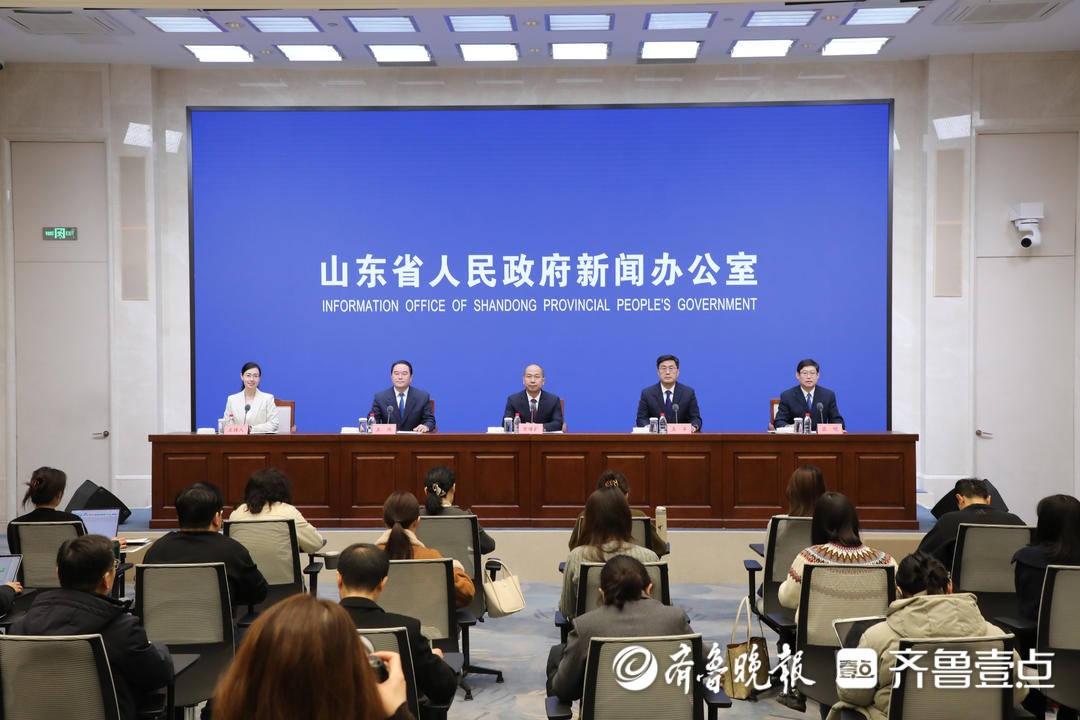
聚焦粮食精深加工与循环利用,山东粮食深加工产品达600余种
Qi Lu Wan Bao· 2025-12-26 07:55
Core Viewpoint - During the "14th Five-Year Plan" period, Shandong Province is committed to strengthening its grain industry, achieving significant progress in various aspects of grain production and processing [1] Group 1: Technological Empowerment - The implementation of the "Grain Core Plan" aims to overcome industrial upgrade bottlenecks through technological breakthroughs, with a total investment of 6.68 billion yuan in R&D projects, resulting in 1,254 patents [3] - Five major technology innovation centers for wheat, corn, soybeans, high oleic peanut oil, and by-product resource utilization have been established in Shandong [3] - Key technological advancements include the extraction of arabinoxylan from wheat by-products and the development of new functional edible oils with glycerol diester content between 40% and 80% [3] Group 2: Industry Chain Upgrading - The deep processing of grain has resulted in over 600 products, with a by-product utilization rate exceeding 98%, and Shandong produces over 60% of the country's soybean protein [4] - The establishment of a "135" emergency supply circle enhances supply chain optimization, ensuring timely grain supply within urban areas [4] - The transition from "grain processing" to "food production" has led to the emergence of 20 leading enterprises in the staple food industry [4] Group 3: Cluster Development - Shandong has cultivated significant industrial clusters, with 10 out of the top 50 national grain enterprises located in the province, and 19 counties recognized as top 100 grain economic counties [4] - The province is recognized for its edible plant oil industry, with major production bases in cities like Qingdao and Yantai, contributing to over 50% of the national output of peanut and corn oil [4] - The growth of specialized deep processing clusters, such as high-quality wheat and soybean processing areas, continues to expand [4] Group 4: Future Goals - The Shandong Provincial Grain and Material Reserve Bureau aims to deepen technological innovation and cluster development, targeting the establishment of three trillion-yuan-level grain and oil industry clusters and ten leading enterprises with annual revenues exceeding 20 billion yuan by 2030 [5]

国家粮食和储备局:“十四五”时期粮食产业规模和效益齐头并进
Zheng Quan Ri Bao Wang· 2025-10-14 12:29
Core Insights - The national grain production in China has stabilized above 1.3 trillion jin for five years, with a projected increase to 1.4 trillion jin in 2024, resulting in a per capita grain availability of 500 kg, surpassing the international safety line of 400 kg [1] - The grain market during the 14th Five-Year Plan period is characterized by sufficient supply and enhanced circulation capabilities, with significant improvements in storage and logistics infrastructure [1] - The grain industry is experiencing high-quality development, with a focus on both scale and efficiency, supported by innovative policies and initiatives [2] Group 1: Production and Supply - National grain production is expected to reach 1.4 trillion jin in 2024, with a per capita availability increase of 25 kg compared to the end of the 13th Five-Year Plan [1] - The total capacity of standard grain storage facilities has increased to over 730 million tons, with a notable rise in high-standard storage capabilities [1] Group 2: Industry Development - The grain industry has seen a total industrial output value exceeding 4 trillion yuan in 2024, driven by the implementation of quality grain projects [1] - Since 2021, over 462 billion yuan in fiscal funds have been allocated, leading to more than 840 billion yuan in social investments and the initiation of over 8,400 projects [2] Group 3: Policy and Support - The government has launched projects to enhance grain circulation efficiency, focusing on major grain-producing counties, with an investment of nearly 100 billion yuan for 270 projects [3] - New policies have been introduced to support the grain industry, including improvements in storage logistics and the promotion of advanced processing equipment [3]
国家粮食和储备局:“十四五”期间粮食产业规模、效益齐头并进
Xin Hua Cai Jing· 2025-10-14 05:26
Core Insights - The high-quality development of the grain industry during the 14th Five-Year Plan period is characterized by simultaneous growth in scale and efficiency, with innovative policy support and implementation mechanisms [1][2] Group 1: Financial Support and Investment - The Ministry of Finance and the National Grain and Material Reserve Bureau have initiated projects to enhance grain circulation quality and efficiency, focusing on major grain-producing counties [2] - As of September 2023, local governments have allocated 46.2 billion yuan in fiscal funds, attracting over 84 billion yuan in social investment, leading to the implementation of more than 8,400 projects [1] - The first batch of support for 40 major grain-producing counties includes over 270 projects, driving total investment close to 10 billion yuan [2] Group 2: Policy Implementation and Equipment Upgrades - The use of ultra-long-term special government bond funds is aimed at promoting new equipment for processed grain oil, staple foods, feed processing, and comprehensive utilization of grain deep processing and by-products [1][2] - Significant progress has been made in updating grain and oil processing equipment, with specific machinery like grain dryers and color sorters included in agricultural machinery subsidy programs [2] Group 3: Future Planning and Strategic Goals - The planning for the 15th Five-Year Plan for grain circulation is underway, with a focus on optimizing industrial structure, extending the industrial chain, and enhancing the value chain [3] - The goal is to strengthen policy implementation and project execution to assist enterprises in overcoming challenges and promote high-quality development in the grain industry [3]