关税战略

Search documents
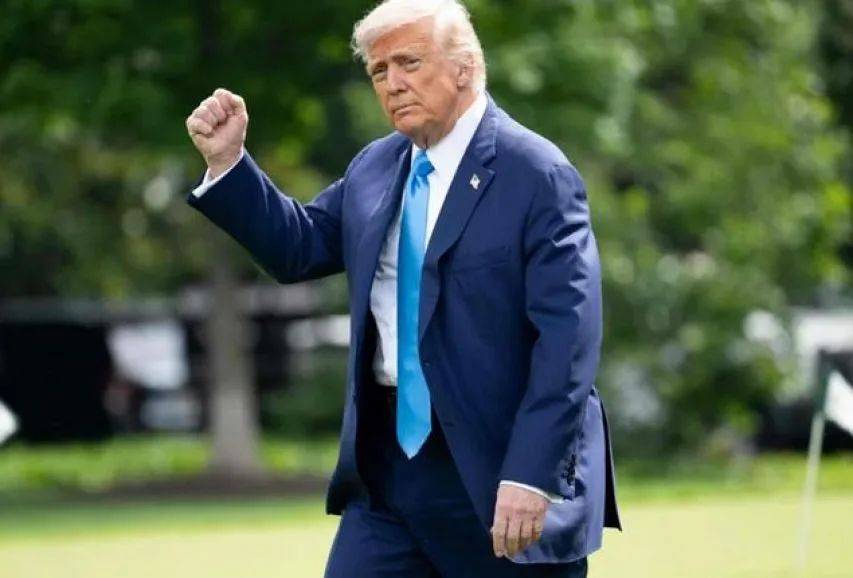
又要创造历史?特朗普下月或亲赴美最高法院“督战”
第一财经· 2025-10-16 07:08
Core Viewpoint - The article discusses President Trump's potential visit to the Supreme Court for a significant case regarding tariffs, emphasizing the importance of tariffs for national defense and economic stability [3][4]. Group 1: Legal Context - The Supreme Court is set to hear arguments on November 5 regarding Trump's request to overturn lower court rulings that determined he lacked the authority to impose tariffs under the International Emergency Economic Powers Act (IEEPA) [3][6]. - Trump's administration argues that the IEEPA grants the president the power to regulate imports in response to "any unusual and extraordinary threat," while opponents claim the law does not explicitly mention tariffs [6][7]. - Trump's chief lawyer contends that the Supreme Court has previously dismissed similar arguments and that decisions regarding national emergencies should be made by the president and Congress [6][7]. Group 2: Ongoing Tariff Actions - Despite the legal challenges, Trump continues to announce new tariffs, including a 100% tariff on imported brand-name drugs and a 50% tariff on cabinets and related products [7][8]. - The administration has also proposed a 25% tariff on heavy trucks to protect American manufacturers [7][8]. - Legal experts note that the Trump administration is rapidly advancing its tariff agenda, indicating a shift towards a dual-track tariff strategy regardless of the Supreme Court's decision [8].

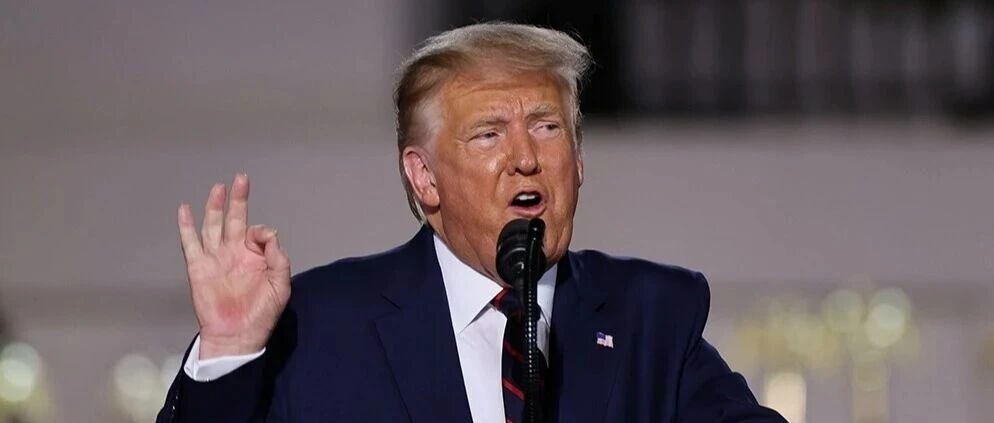
中美交锋!美国陷入前所未有的被动,前驻华大使:特朗普犯下致命错误
Sou Hu Cai Jing· 2025-06-12 02:41
Group 1: Trade Negotiations and Strategies - The recent trade negotiations between the US and China on June 9 in London highlighted the US's passive stance, with former US Ambassador to China Nicholas Burns criticizing Trump's fundamental errors in handling US-China relations [1][4] - Trump's strategy of imposing tariffs as leverage against China has backfired, with tariffs on Chinese goods rising to 125% after multiple increases, failing to compel China to concede [1][3] Group 2: China's Response and Economic Impact - China has responded decisively to US tariffs, implementing countermeasures such as a 15% tariff on US coal and LNG, and an 84% retaliatory tariff, while also taking the US to the WTO with 37 other countries [3][4] - The US's tariff policies have adversely affected American consumers and businesses, with families losing up to $3,800 annually due to rising prices, and major manufacturers like General Motors and Ford adjusting profit expectations down by $5 billion [3][6] Group 3: International Relations and Alliances - Trump's indiscriminate tariff approach has alienated traditional allies such as the EU, Japan, and South Korea, who are now seeking to strengthen ties with other nations, reducing reliance on the US market [4][6] - Canada and Mexico have expressed dissatisfaction with US tariffs, with Canada increasing exports to China by 21% in early 2025, and Mexico negotiating to delay tariffs while enhancing cooperation with China [6][7] Group 4: Misjudgments and Underestimations - The Trump administration underestimated China's resilience and strategic capacity to handle trade tensions, believing that increased tariffs would lead to economic collapse and concessions from China [6][7] - There is a significant misperception in the US regarding China's technological capabilities, with the belief that China only engages in technology theft, while in reality, China has made substantial investments and advancements in technology [7][9]