关税治国

Search documents
中方话音刚落,特朗普开始出招:加税200%,美媒罕见站队中国
Sou Hu Cai Jing· 2026-01-23 12:08
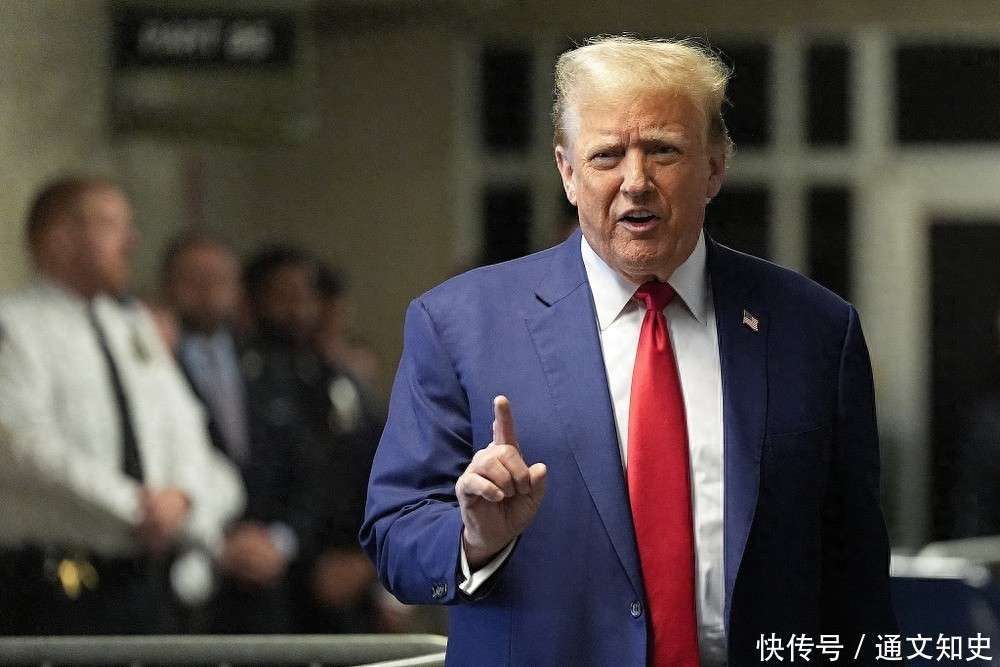
Group 1 - The core issue revolves around Trump's unexpected announcement of a 200% tariff on French wine and champagne, triggered by France's refusal to join his proposed peace committee [1][3] - The peace committee proposal required countries to pay $1 billion for a permanent seat, with Trump as the lifetime chairman, which France rejected, leading to heightened tensions [3][4] - The 200% tariff could severely impact France's wine and champagne exports to the U.S., which exceed €4.5 billion annually, with predictions of losses exceeding €800 million even with a 20% tariff [4][6] Group 2 - The tariff is expected to have devastating effects on the entire French wine industry, affecting growers, wineries, exporters, and logistics companies, potentially leading to job losses and business closures [6][10] - France's response includes an invitation for Trump to dinner in Paris and plans for a special G7 summit to foster multilateral dialogue, indicating a refusal to yield easily to U.S. pressure [10][14] - Other European nations have largely remained silent in response to Trump's threats, which may embolden his economic pressure tactics [14][16] Group 3 - China's proposal regarding the seabed biodiversity treaty at the UN adds complexity to international relations, positioning itself as a counterbalance to U.S. unilateralism [8][16] - China's strategic approach includes reducing reliance on external markets from 2026 to 2030, seen as a long-term response to U.S. tariffs [17][20] - U.S. media has begun to recognize the implications of Trump's policies, highlighting the increase in national debt and the potential negative impact on U.S. innovation due to restrictive immigration policies [18][20]

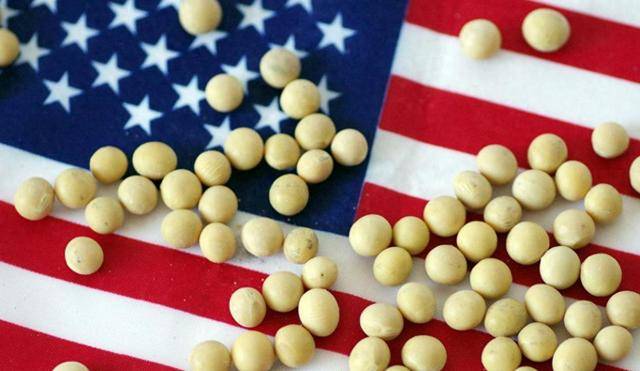
中国拒购美国大豆,美国土安全部:哪怕政府停摆,关税也要继续收
Sou Hu Cai Jing· 2025-09-29 01:15
Group 1 - The core issue is the significant decline in U.S. soybean exports to China, which has left American farmers in a difficult position as they face unsold inventory and financial losses [1][3][9] - The shift in China's purchasing strategy towards South America indicates a structural change in the agricultural export chain, moving away from reliance on U.S. agricultural products [6][8][21] - The U.S. government's insistence on maintaining tariffs, even amidst a potential government shutdown, reflects a rigid trade policy that fails to address the immediate needs of farmers and the agricultural sector [11][15][22] Group 2 - The ongoing trade tensions have led to a fundamental change in the U.S.-China trade relationship, with American farmers no longer able to rely on China as a primary market for their soybeans [9][24][26] - The economic pressures resulting from high tariffs have not only affected farmers but have also led to increased costs for small and medium-sized enterprises, contributing to a broader economic strain [17][19][24] - The lack of effective government response to the agricultural crisis has resulted in growing discontent among farmers, who feel abandoned by the policies that once supported them [13][24][30]