兴趣社群

Search documents
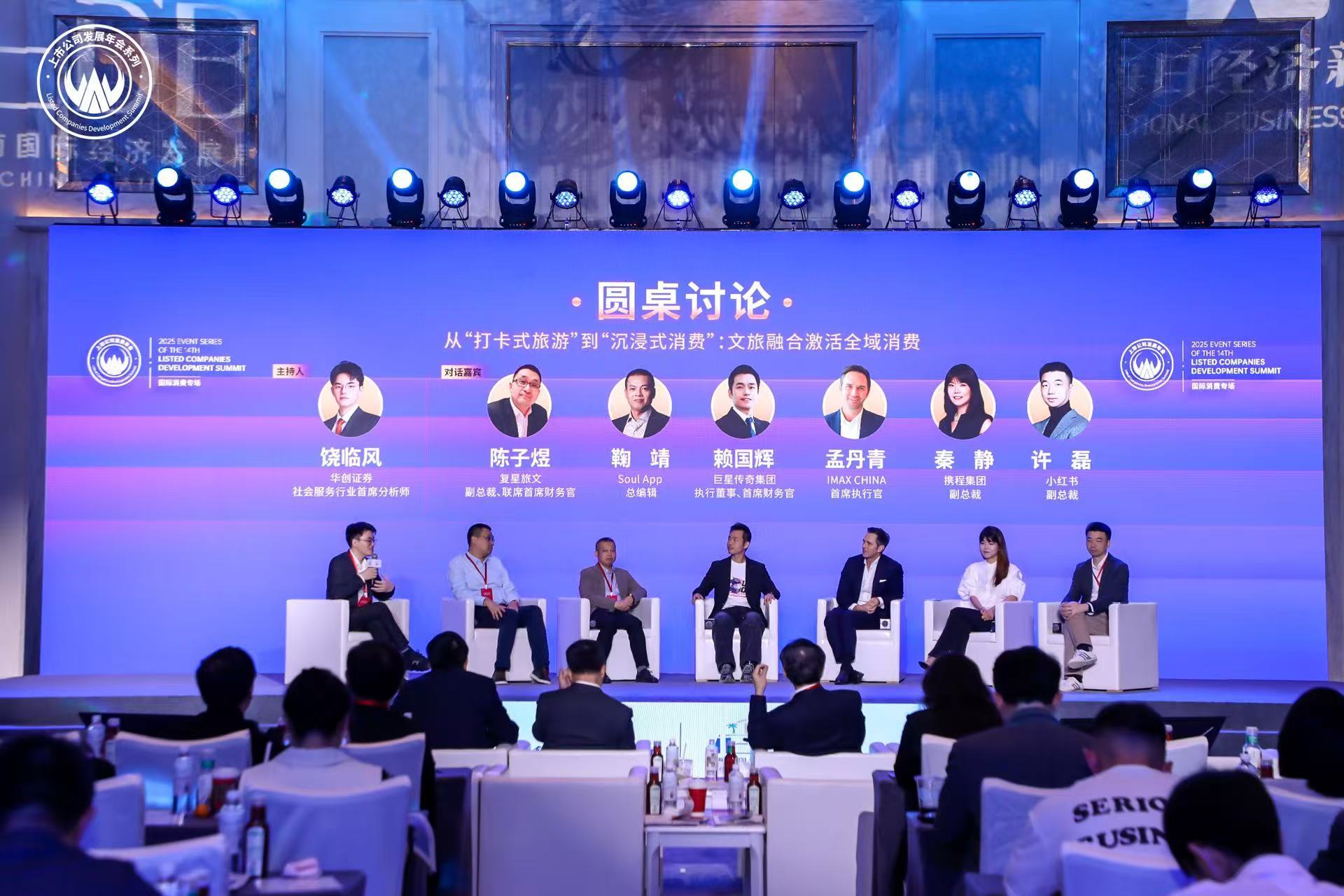
从“打卡式旅游”到“沉浸式消费”,情绪、技术与IP正在重塑文旅消费新生态
Mei Ri Jing Ji Xin Wen· 2025-12-13 14:12
Core Insights - The industry is experiencing a significant transformation from "sightseeing" to "immersive experiences," driven by emotional value and interest-based consumption [1][3] - The shift in consumer behavior emphasizes the importance of creating deep emotional connections and memorable experiences in the cultural and tourism sectors [1][3] Group 1: Consumer Behavior Changes - Emotional value has become a core driver in the Z generation's consumption market, shifting from temporary comfort to a sustained pursuit of immersion and presence [3][4] - Users are increasingly seeking personalized and emotionally engaging experiences rather than standard travel itineraries, indicating a move towards "interest consumption" [3][4] - Data shows a 7.2% increase in users staying for two days or more, with a 300% year-on-year surge in searches for immersive entertainment projects, highlighting a strong willingness to pay for immersive experiences [4] Group 2: Enhancing Immersive Experiences - The demand for immersive experiences is pushing supply upgrades, with technology and intellectual property (IP) identified as key pillars for creating these experiences [5] - IMAX's approach to transforming static culture into engaging experiences demonstrates the potential for lasting memory through immersive storytelling [5] - Cross-industry collaboration in IP storytelling and long-term operations is essential for enhancing cultural and commercial value, as illustrated by successful projects involving popular IPs [5] Group 3: Trends in Vacation Products - One-stop, deep experience offerings are becoming mainstream, with companies like Club Med and Atlantis integrating local culture and high-quality services to extend average visitor stays from approximately 1 day to 2.5 days [6]

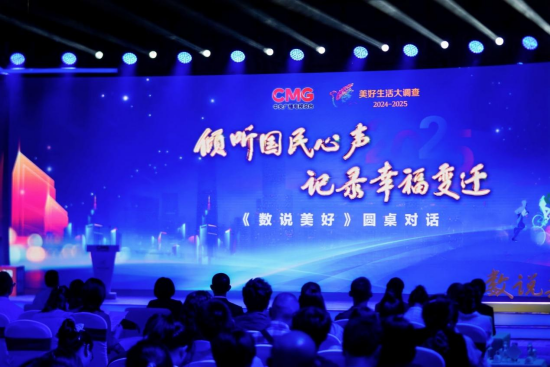
从“求富”到“求福”:美好生活大调查解码国民幸福变迁
Hua Xia Shi Bao· 2025-06-18 08:24
Group 1 - The core finding of the "2024-2025 Annual Survey on a Good Life" indicates a significant shift in the factors influencing public happiness, with health now being the primary factor at 53.44%, while the importance of income has dropped from 65.74% in 2019 to 40.64% in 2024 [2][3] - The survey, which is the largest of its kind globally, involved 100,000 families across 31 provinces and cities in China, highlighting a collective societal shift from "seeking wealth" to "seeking well-being" [2][3] - The five key elements affecting national happiness are health status, family relationships, income level, marital emotions, and personal interests, with a notable increase in the importance of social interactions and community engagement [3][6] Group 2 - The trend of consumption is shifting from product-based to service-based, with health-related services such as tourism, education, and wellness becoming increasingly prioritized, reflecting a growing demand for health consumption [6][10] - The health service industry in China is projected to reach a total scale of 16 trillion yuan by 2030, driven by government initiatives promoting health consumption and quality supply in the health sector [6][10] - The survey reveals that psychological stress, sleep issues, weight management, and immune health are the primary health concerns among the public, emphasizing the need for a focus on mental and physical well-being [7][10] Group 3 - The role of community and social support is becoming increasingly vital in enhancing public happiness, with a rise in the number of individuals participating in social activities and community groups [13][15] - Research indicates that engagement in community activities significantly improves participants' health and emotional well-being, with over 80% reporting feelings of joy and relaxation [17] - Companies like Amway are leveraging community-driven initiatives to promote healthy lifestyles, aligning their business strategies with the evolving public focus on well-being and happiness [20]