内控危机

Search documents
涉嫌信披违法违规 山东章鼓被证监会立案调查
Zheng Quan Ri Bao Wang· 2026-01-04 13:55
Core Viewpoint - Shandong Zhanggu's financial information disclosure violations have led to an investigation by the China Securities Regulatory Commission (CSRC), indicating a significant escalation in regulatory scrutiny [1][2][3] Regulatory Actions - The CSRC's investigation follows a previous administrative corrective action by the Shandong Securities Regulatory Bureau, which identified three major issues: violations in related party transactions, improper use of raised funds, and non-compliance in corporate governance [2][3] - The shift from "administrative correction" to "suspected illegal violations" reflects a more serious regulatory stance [3] Internal Control and Governance Issues - The identified violations reveal deep-seated problems in Shandong Zhanggu's internal controls and governance structure, including ineffective management of related party transactions and weak financial control systems [4] - The company's governance has been criticized for a lack of compliance culture and insufficient independence of internal audits, leading to ineffective oversight by independent directors and supervisory boards [4] Changes in Governance Structure - Following the investigation, the state-owned shareholder, Jinan Zhangqiu District Public Asset Management Company, has increased its involvement in the company's governance by adding more non-independent directors to key committees [4][5] - This shift aims to enhance the protection of state assets, but it also faces challenges such as role conflicts and the need for rapid operational turnaround [5] Business Performance and Challenges - Shandong Zhanggu's core business, which includes the production and sale of fans and industrial pumps, has shown weak growth and declining profit margins [5] - The company has attempted to diversify through investments in various sectors, totaling approximately 300 million yuan, but these efforts have not yielded significant results [5] - The company's net profit attributable to shareholders fell by 39.12% year-on-year in the first three quarters of 2025, highlighting the pressure on its financial performance [5]

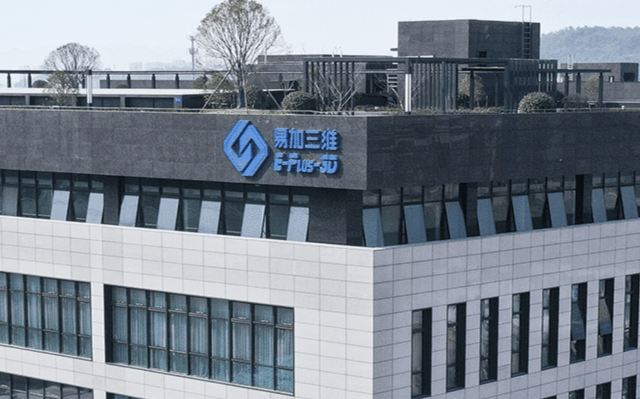
易加增材IPO:公司治理草莽 暗藏内控危机
Sou Hu Cai Jing· 2025-10-28 02:23
Core Viewpoint - The IPO of Hangzhou Yijia 3D Printing Technology Co., Ltd. (referred to as "Yijia Additive") raises concerns regarding corporate governance and internal control risks, despite plans to raise 1.205 billion yuan [2][5]. Group 1: IPO Details - Yijia Additive plans to raise 1.205 billion yuan, which accounts for 92.41% of its net assets [2]. - The funds will be allocated as follows: 464 million yuan for expanding metal 3D printing in Beijing, 442 million yuan for industrialization of additive manufacturing equipment in Hangzhou, 187 million yuan for a research and development center in Hangzhou, and 112 million yuan for building a technical service network [2]. Group 2: Ownership Structure - The actual controllers, Li Cheng and Li Jianhao, hold a combined 54.53% of the company's shares [3]. - Major institutional shareholders include Advanced Manufacturing Investment, Chuanghe New Materials, and Chuanghe Fund, with respective holdings of 3.58%, 3.10%, and 3.01% [3]. - Li Jianhao, the chairman, has a notably low salary of 1,200 yuan for 2024, raising questions about compensation practices [3]. Group 3: Governance Concerns - The high concentration of ownership may lead to a lack of decision-making participation from other shareholders, potentially resulting in nepotism and governance issues [3]. - Historical issues include shareholding proxies and financial practices that may challenge regulatory compliance, such as "loan transfers" to manipulate cash flow [5]. Group 4: Legal Risks - As of the end of 2024, the company and its subsidiaries face pending lawsuits totaling 21.19 million yuan [5]. - Specific lawsuits include claims against companies for unpaid debts, with amounts of 1.764 million yuan and 20.299 million yuan, respectively [6][7]. Group 5: Risk Profile of Executives - Li Jianhao has numerous positions and associated risks, with 20 directorships and 38 surrounding risks [7]. - Li Cheng has an even higher risk profile, with nearly 1,000 associated risks and multiple legal issues linked to companies he has managed [8].