公司治理

Search documents
金融工程专题报告:公司治理专题系列报告二:基于多因子框架的中证500指数增强模型
BOHAI SECURITIES· 2026-03-31 09:49
Quantitative Models and Construction Methods Model Name: CSI 500 Index Enhancement Model - **Model Construction Idea**: The model is constructed using a series of continuous financial factors reflecting corporate governance capabilities combined with some technical factors[3][10][43] - **Model Construction Process**: - Monthly rebalancing frequency for the investment portfolio - Backtest data from March 18, 2021, to March 18, 2026 - Use previous year's semi-annual report data for rebalancing from January to April, previous year's annual report data for rebalancing from May to August, and current year's semi-annual report data for rebalancing from September to December - Data cleaning including missing value handling and standardization - Factors used: momentum factor, low volatility factor, low debt factor, operational capability factor, growth factor, profitability factor[3][43] - **Model Evaluation**: The model successfully outperformed the benchmark index, achieving significant excess returns, but there is still room for optimization in factor construction, timing mechanism, and stock selection efficiency[3][49][50] Model Backtest Results - **CSI 500 Index Enhancement Model**: - Cumulative Return: 63.84%[46][48] - Excess Cumulative Return: 34.79%[46][48] - Annualized Return: 10.83%[46][48] - Excess Annualized Return: 5.38%[46][48] - Annualized Volatility: 17.94%[46][48] - Excess Volatility: -2.92%[46][48] - Sharpe Ratio: 0.60[46][48] - Excess Sharpe Ratio: 0.34[46][48] - Maximum Drawdown: 23.86%[46][48] - Excess Maximum Drawdown: -17.95%[46][48] - Daily Win Rate: 53.39%[46][48] - Excess Daily Win Rate: 1.74%[48] Quantitative Factors and Construction Methods Factor Name: Profitability Factor - **Factor Construction Idea**: Reflects the efficiency of using net assets to generate profits and the profit margin of core business[10] - **Factor Construction Process**: - Net Asset Return (ROE): Reflects the efficiency of using net assets to generate profits, a core indicator of shareholder returns - Gross Profit Margin: Reflects the profit margin of core business, an important manifestation of the company's "moat"[10] - **Factor Evaluation**: These factors comprehensively and accurately quantify the quality of corporate governance, providing a solid theoretical and data support for stock selection strategies[10][11] Factor Name: Debt Capacity Factor - **Factor Construction Idea**: Reflects the company's long-term debt level and financial risk, as well as short-term debt capacity and financial liquidity[10] - **Factor Construction Process**: - Asset-Liability Ratio: Reflects the company's long-term debt level and financial risk - Current Ratio: Reflects the company's short-term debt capacity and financial liquidity[10] - **Factor Evaluation**: These factors form the "firewall" of corporate financial security, providing a solid theoretical and data support for stock selection strategies[10][11] Factor Name: Operational Efficiency Factor - **Factor Construction Idea**: Reflects the efficiency of capital recovery and bargaining power, as well as the speed of inventory realization and inventory management level[10] - **Factor Construction Process**: - Accounts Receivable Turnover Ratio: Reflects the efficiency of capital recovery and bargaining power - Inventory Turnover Ratio: Reflects the speed of inventory realization and inventory management level[10] - **Factor Evaluation**: These factors directly reflect the company's operational management efficiency and resource utilization capabilities, providing a solid theoretical and data support for stock selection strategies[10][11] Factor Backtest Results - **Profitability Factor**: - ROE: Reflects the efficiency of using net assets to generate profits[10] - Gross Profit Margin: Reflects the profit margin of core business[10] - **Debt Capacity Factor**: - Asset-Liability Ratio: Reflects the company's long-term debt level and financial risk[10] - Current Ratio: Reflects the company's short-term debt capacity and financial liquidity[10] - **Operational Efficiency Factor**: - Accounts Receivable Turnover Ratio: Reflects the efficiency of capital recovery and bargaining power[10] - Inventory Turnover Ratio: Reflects the speed of inventory realization and inventory management level[10]
赛力斯(09927) - 海外监管公告
2026-03-30 14:53
香港交易及結算所有限公司及香港聯合交易所有限公司對本公告的內容概不負責,對其準確性 或完整性亦不發表任何聲明,並明確表示概不對因本公告全部或任何部分內容而產生或因倚賴 該等內容而引致的任何損失承擔任何責任。 Seres Group Co., Ltd. 賽力斯集團股份有限公司 (於中華人民共和國註冊成立的股份有限公司) (股份代號:9927) 海外監管公告 本公告乃根據《香港聯合交易所有限公司證券上市規則》第13.10B條而作出。 茲載列賽力斯集團股份有限公司在上海證券交易所網站刊登的以下公告,僅供參 閱。 1. 賽力斯集團股份有限公司關於提前歸還臨時補充流動資金的募集資金的公告 2. 賽力斯集團股份有限公司第五屆董事會第三十次會議決議公告 3. 賽力斯集團股份有限公司2025年度董事會審計委員會履職報告 4. 賽力斯集團股份有限公司2025年度獨立董事述職報告-黎明 5. 賽力斯集團股份有限公司2025年度獨立董事述職報告-李開國 6. 賽力斯集團股份有限公司2025年度獨立董事述職報告-張國林 7. 賽力斯集團股份有限公司2025年度獨立董事述職報告-景旭峰 8. 賽力斯集團股份有限公司2025年度獨立董事 ...
中原证券发布2025年度独立董事独立性自查专项报告
Xin Lang Cai Jing· 2026-03-28 23:00
Core Viewpoint - The company has conducted an evaluation of the independence of its independent directors for the year 2025, confirming that all assessed directors meet the required independence standards as per relevant regulations and company bylaws [1] Group 1: Evaluation of Independent Directors - The evaluation included current independent directors Chen Zhiyong, Wang Hui, Wang Huixuan, and Du Xiaotang, as well as former independent directors Zeng Song and He Jun [1] - The board confirmed that none of the evaluated independent directors hold any positions within the company other than their role as independent directors, nor do they hold any positions in major shareholder entities [1] - The board believes that the independence of these directors is not compromised by any relationships or circumstances that could hinder their ability to make objective judgments [1] Group 2: Governance and Transparency - The release of this special report is part of the company's routine measures to enhance its governance structure and strengthen the independent operation of the board [1] - The initiative aims to convey a positive signal to the market regarding the company's governance standards and operational transparency [1]

中原证券拟修订公司章程 强化ESG管理并完善治理结构
Xin Lang Cai Jing· 2026-03-28 21:56
Core Viewpoint - Zhongyuan Securities Co., Ltd. is taking significant steps to enhance corporate governance and strengthen sustainable development management through amendments to its articles of association, which will incorporate Environmental, Social, and Governance (ESG) management into its governance framework [1] Group 1: Governance Enhancements - The amendments include the incorporation of fostering a distinctive Chinese financial culture and implementing the "Five Musts and Five Must Nots" requirements into the company's articles [1] - The cumulative voting system's applicability has been adjusted, requiring that when a single shareholder and their concerted parties hold 30% or more of shares and elect two or more non-independent directors, this system must be used [1] - New provisions have been added regarding the special responsibilities of employee directors [1] Group 2: ESG Integration - The amendments systematically integrate ESG management into the corporate governance framework, clearly defining the responsibilities of the board of directors, the Strategy and Sustainable Development Committee, and the executive committee in relation to ESG planning, goal review, risk supervision, and work advancement [1] - The proposed amendments will be submitted for approval at the company's shareholders' meeting and must be filed with relevant regulatory authorities before taking effect, marking a critical step for Zhongyuan Securities in promoting the integration of ESG concepts with corporate governance and enhancing long-term sustainable development capabilities [1]
中原证券2025年独立董事履职报告发布,聚焦关联交易与高管薪酬
Xin Lang Cai Jing· 2026-03-28 04:22
Core Viewpoint - The report highlights the governance and operational compliance of the company during the reporting period, emphasizing the effectiveness of internal controls and adherence to disclosure regulations [1] Group 1: Governance and Compliance - The independent director, He Jun, attended all 8 board meetings, 2 shareholder meetings, 6 compensation and nomination committee meetings, and 1 special meeting, totaling over 15 days of service [1] - The company’s related party transactions regarding the establishment of a private equity fund by a wholly-owned subsidiary were deemed legally compliant and fairly priced [1] - The company completed the election of the chairman, appointment of senior management, and formulation of the director compensation system, all in accordance with regulations [1] Group 2: Financial Performance - The company executed a cash dividend plan for the fiscal year 2024, distributing 0.17 yuan (including tax) per 10 shares, and a mid-year dividend for 2025 of 0.08 yuan (including tax) per 10 shares [1] Group 3: Audit and Internal Control - The company reappointed ShineWing Certified Public Accountants as the auditing firm for the fiscal year 2025 [1] - The independent director reported that there were no findings of fund occupation or illegal guarantees by the controlling shareholder, ensuring the protection of the rights of all shareholders, especially minority shareholders [1]
一拖股份:2026年“提质增效重回报”行动方案
Zheng Quan Ri Bao· 2026-03-26 12:20
Core Viewpoint - The company has announced a comprehensive action plan for 2026 aimed at enhancing quality and efficiency while focusing on shareholder returns [1] Group 1: Strategic Focus - The company will concentrate on the development of its core agricultural machinery business to strengthen its competitive advantages [1] - There will be an emphasis on technological innovation to foster new drivers for high-quality development [1] Group 2: Shareholder Engagement - The company plans to implement a prudent dividend policy to prioritize investor returns [1] - Efforts will be made to enhance value communication and improve market capitalization management [1] Group 3: Sustainability and Governance - The company aims to strengthen its ESG management system to enhance sustainable development capabilities [1] - Continuous improvement in corporate governance will be pursued, focusing on the active role of key stakeholders [1]

可靠股份案:独董“选边”是罢免理由吗
经济观察报· 2026-03-24 13:08
Core Viewpoint - The article discusses the rare case of a company dismissing an independent director, highlighting the implications for corporate governance and the responsibilities of independent directors in China [1][2]. Group 1: Case Background - On February 24, 2026, Hangzhou Reliable Care Products Co., Ltd. announced the dismissal of independent director Jing Naiquan, citing loss of independence and failure to fulfill duties [2]. - The board's decision to dismiss Jing was made on February 12, but the announcement was delayed, indicating possible internal conflicts [2]. - The company plans to hold a shareholder meeting on March 12 to vote on the dismissal, as independent directors can only be removed by shareholders, not the board [2]. Group 2: Reasons for Dismissal - The dismissal was primarily due to Jing's involvement in a salary dispute concerning non-independent director Bao Jia, which allegedly disregarded the interests of the company and minority shareholders [4]. - The company criticized Jing for aligning with Bao's interests, which contradicted the company's compensation plan that prohibits non-independent directors from receiving certain payments [4][10]. Group 3: Corporate Governance Implications - The article raises questions about the role of independent directors and their ability to maintain objectivity when conflicts arise between major shareholders [10][13]. - It emphasizes that while directors should prioritize the company's overall interests, they can express differing opinions on specific matters, which is a normal part of board discussions [11][15]. - The article suggests that independent directors should not align with specific individuals but can take positions on issues, highlighting the importance of maintaining independence in judgment [13][14]. Group 4: Recent Developments - On March 1, 2026, Reliable announced the cancellation of the shareholder meeting originally scheduled for March 12, indicating a potential resolution of the conflict [22]. - The company's stock price has seen a significant decline since the announcement of the dismissal, reflecting market concerns about the governance issues at play [22].


Tripadvisor Adds New Directors as Part of Deal With Activist Starboard
WSJ· 2026-03-23 13:17
Group 1 - Tripadvisor has appointed two new directors to its board as part of a cooperation agreement with activist investor Starboard Value [1]


HDFC Bank hits 52-week low: did Chairman's exit signal trouble?
Invezz· 2026-03-19 05:30
Core Viewpoint - HDFC Bank's stock has significantly declined following the unexpected resignation of part-time Chairman Atanu Chakraborty, raising concerns about governance and ethics within the bank [1][6]. Group 1: Resignation Impact - Shares of HDFC Bank fell over 8% after Chakraborty's resignation, marking a significant stress point in the market [1][6]. - The resignation was announced without a clear explanation, leading to investor shock and confusion regarding the bank's internal practices [3][5]. - The stock had already reached a 52-week low of 812 on March 13, 2026, after peaking at 1,020.50 on October 23, 2025, indicating a fragile market sentiment prior to the resignation [7]. Group 2: Governance Concerns - Chakraborty's resignation letter cited ethical concerns regarding practices within the bank over the past two years, although no specific details were provided [2][4]. - The bank's initial regulatory filing regarding the resignation contained inconsistencies, further fueling concerns about governance and internal communication [3][4]. - Analysts are investigating whether the resignation indicates a deeper governance issue or merely a boardroom disagreement [4][8]. Group 3: Leadership Transition - Keki Mistry has been appointed as interim chairman, effective March 19, 2026, for a period of three months, aiming to stabilize leadership during this turbulent time [9]. - Mistry's familiarity with the HDFC group is seen as a positive step, but the primary concern remains whether the bank can address the governance issues raised by Chakraborty's exit [9].


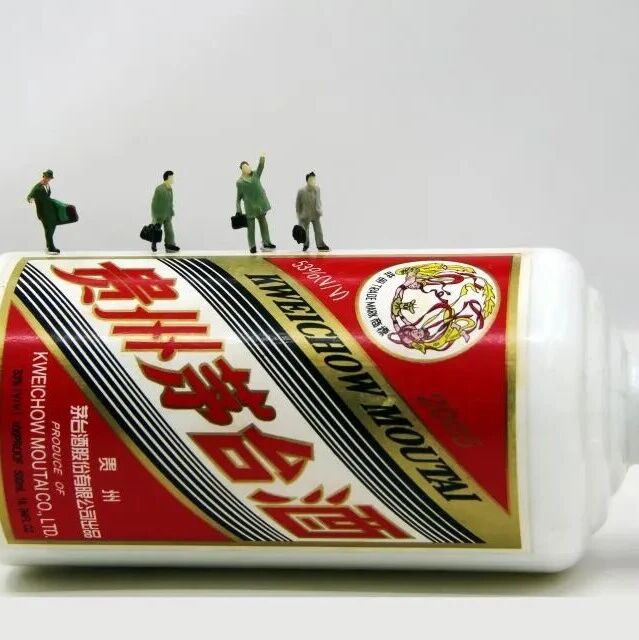
茅台,是时候走下神坛了
证券时报· 2026-03-15 10:52
Core Viewpoint - The article argues that the perceived prestige of Kweichow Moutai is a constructed illusion, resulting from a combination of human governance failures and capital manipulation. It emphasizes the need for the company to abandon arrogance, eliminate corruption, standardize governance, and return to its original mission of producing quality liquor for the public [3][8]. Group 1: Governance Issues - The investigation of Jiang Yan, a senior executive at Kweichow Moutai, highlights systemic governance failures within the company, as multiple high-ranking officials have faced legal issues, indicating a deeper problem beyond individual misconduct [4]. - The company has experienced significant leadership instability, with four changes in chairmanship over the past five years, leading to inconsistent strategies and a loss of trust among consumers and investors [4][6]. - The lack of effective oversight and internal controls has allowed corruption to flourish, undermining the company's operational integrity and brand reputation [4][5]. Group 2: Financial Management - Kweichow Moutai reported a cash balance of 51.8 billion yuan and outstanding funds of 135.4 billion yuan, indicating a substantial scale of financial management under Jiang Yan's oversight [5]. - The company has been criticized for its governance practices, particularly regarding senior executives holding multiple positions, which raises concerns about conflicts of interest and accountability [5]. Group 3: Market Dynamics - The article notes that Kweichow Moutai's high gross profit margin of 91% and net profit of 86.2 billion yuan in 2024 are not solely due to superior product quality, suggesting that the brand's perceived value may be overstated [7]. - The market for white liquor has seen a significant contraction, with the number of large-scale enterprises halving over the past decade, indicating a monopolization of profits by a few dominant players [6][8]. - The decline in Kweichow Moutai's stock price and market value, which has decreased by nearly half from its historical highs, reflects a broader market correction and the impact of ongoing corruption scandals on brand perception [8].