
内衣自由

Search documents
县城贵妇的「美丽刑具」,终于被抛弃了
3 6 Ke· 2026-01-21 03:58
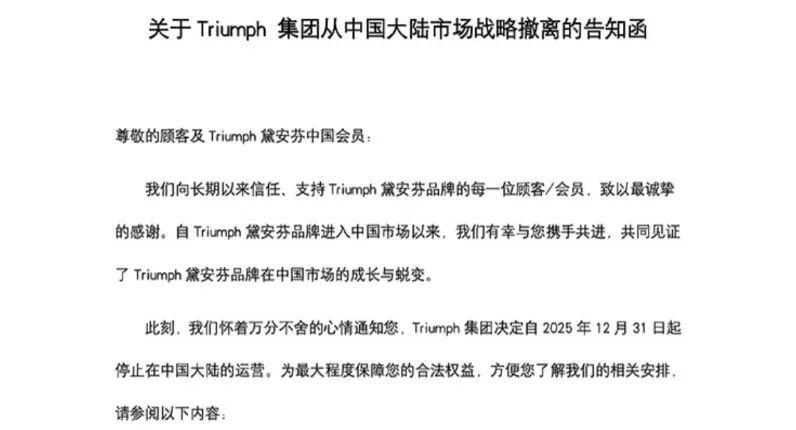
Core Insights - The article discusses the significant shift in the lingerie market, particularly the decline of traditional underwire bras and the rise of comfortable, wire-free options, reflecting changing consumer preferences towards comfort over traditional notions of sexiness [1][6][27]. Group 1: Market Trends - The lingerie market has seen a transformation where brands like Triumph, once dominant, are now struggling as consumers move away from underwire bras towards softer, more comfortable options [5][6][25]. - The shift in consumer preferences is evident as traditional lingerie stores have changed their offerings to focus on lighter, more comfortable materials, moving away from the structured, underwire designs [7][9]. - The rise of brands emphasizing comfort, such as Ubras and Bananain, highlights a broader trend where consumers prioritize comfort and personal expression over traditional sexy aesthetics [14][19]. Group 2: Brand Evolution - Victoria's Secret, once a leader in the lingerie market, has experienced a significant decline in sales, dropping from $7.5 billion in 2019 to around $2 billion in 2023, prompting a shift towards wire-free and sports lingerie [23][25]. - The marketing strategies of lingerie brands have evolved, with a focus on promoting health, comfort, and self-acceptance rather than traditional sexy imagery [32][40]. - The article notes that the concept of "sexy" in lingerie advertising has shifted, with modern campaigns focusing on empowerment and self-definition rather than conforming to past ideals [36][42]. Group 3: Consumer Behavior - Consumers are increasingly rejecting the discomfort associated with traditional bras, leading to a rise in the popularity of wire-free options that prioritize comfort and fit [11][14]. - The article emphasizes that the modern consumer is more aware of their body and comfort needs, leading to a rejection of the restrictive designs of the past [13][19]. - The trend towards "no bra" or alternative options like breast stickers indicates a significant cultural shift in how women view lingerie and their bodies [44][52].

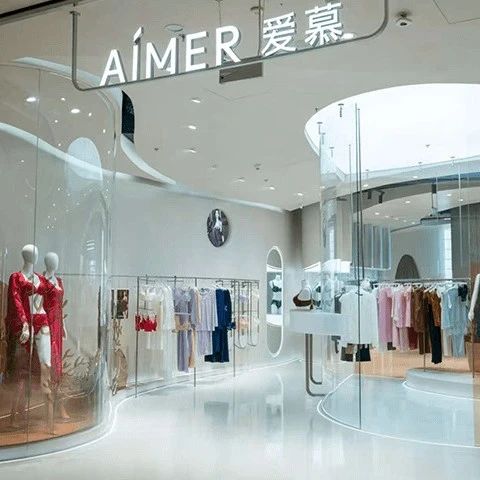
内衣自由下,爱慕需要新故事丨36氪专访
36氪· 2025-08-02 09:07
Core Viewpoint - The article discusses the evolution of the lingerie market in China, highlighting the shift towards comfort and self-expression among young consumers, as well as the challenges faced by established brands like Aimer in adapting to these changes [5][10][11]. Company Overview - Aimer, founded by Zhang Rongming in the early 1990s, has grown into a leading lingerie brand in China, leveraging technology such as memory alloy in its products [7][9]. - The company has developed a diverse brand portfolio, including Aimer, Aimer Mr., Aimer Kids, and LA CLOVER, with over 1,700 stores across China and international markets [9]. Market Trends - The lingerie market is witnessing a trend towards wire-free and simplified sizing options, driven by a growing emphasis on comfort and self-acceptance among female consumers [10][11]. - New brands like Jiao Nei, Nei Wai, and Ubras are gaining popularity, increasing competition for traditional brands like Aimer [10][11]. Financial Performance - Aimer reported a revenue of 3.163 billion yuan for the fiscal year 2024, a decline of 7.71% compared to the previous year, with net profit dropping by 46.56% to 163 million yuan [12][14]. - The company acknowledged challenges such as economic downturns and insufficient market response strategies [14]. Strategic Initiatives - Aimer plans to open more flagship stores while increasing its online sales proportion, aiming for online sales to account for over 30% of total revenue [14][43]. - The company is focusing on brand rejuvenation and expanding its product offerings to cater to younger consumers [14][33]. Product Development - Aimer has been innovating in materials, with a significant portion of its product line now consisting of wire-free options, which are expected to grow in response to consumer demand [51][58]. - The company emphasizes research and development, with over 6% of its workforce dedicated to R&D and annual R&D spending exceeding 3% of revenue [64]. Future Outlook - Aimer is looking to expand its presence in international markets, particularly in Asia and Oceania, as part of its brand-building strategy [65].
内衣自由下,爱慕需要新故事
3 6 Ke· 2025-07-31 03:28
Core Viewpoint - The evolution of the lingerie market in China reflects changing female consciousness, with a shift towards comfort, health, and self-acceptance, leading to increased competition for established brands like Aimer [1][3]. Company Overview - Aimer has developed into a leading lingerie company in China with over 30 years of history, offering multiple brands including Aimer, Aimer Mr., Aimer Kids, and LA CLOVER, with over 1,700 stores across more than 200 cities [2]. - The company reported a revenue of 3.163 billion yuan for the fiscal year 2024, a decrease of 7.71% year-on-year, and a net profit of 163 million yuan, down 46.56% from the previous year [3]. Market Trends - The lingerie market is witnessing a trend towards wireless and simplified sizing options, with new brands like Ubras and Banana Inner gaining popularity among consumers [3]. - Aimer faces challenges in adapting to these market changes while maintaining its traditional strengths in wired bras [3]. Future Strategies - Aimer plans to open more flagship stores while increasing its online sales proportion, aiming for online sales to account for over 30% of total revenue [3][22]. - The company is focusing on brand restructuring, particularly for Aimer's sub-brand Aimer Beauty, to attract younger consumers [12][15]. Product Development - Aimer has been innovating in materials, with a significant portion of its product line now consisting of wireless bras, which account for half of its offerings [26]. - The company is also exploring sustainable materials, such as seaweed fiber, which has been introduced in its latest sleepwear line [32]. Research and Development - Aimer invests over 3% of its annual revenue in R&D, employing around 500 personnel in this area, which constitutes nearly 6% of its workforce [34]. International Expansion - Aimer has been expanding internationally since 2007, with plans to focus on markets in Asia, Southeast Asia, and Australia in its next phase of growth [35].
