内需投资

Search documents
A股缘何走牛?后市机会在哪?业内人士:A股市场处于系统性机会的早期
Zheng Quan Shi Bao Wang· 2025-08-25 09:07
Group 1 - The current market has transitioned from a singular focus to a more diversified approach, with both A-shares and Hong Kong stocks showing promising potential for the future [1] - The market has developed a positive feedback mechanism, indicating that a bull market is already underway, as investor sentiment shifts from bearish to bullish [1] - The overall economic growth of China is crucial for sustaining the current bull market, with expectations for a return to robust growth and higher levels of market openness [2] Group 2 - The A-share market is currently in an early stage of a systemic opportunity, with investor confidence returning despite external pressures such as tariffs [2] - Investment strategies should focus on companies that meet consumer needs, leverage technological advantages, and have proven themselves in the manufacturing sector [3] - For the Hong Kong market, identifying companies that can provide stable high returns is essential, while the U.S. market may shift towards defensive sectors due to inflationary pressures [3]
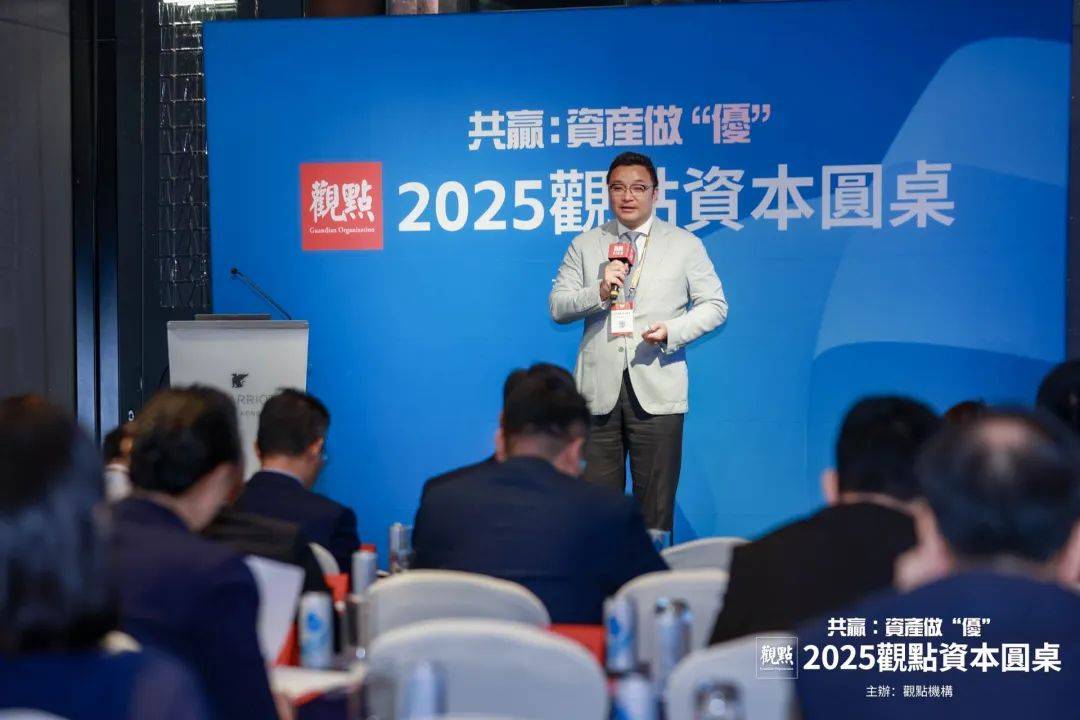
李振豪:全球政经重塑下的投资策略 | 2025观点资本圆桌演讲
Sou Hu Cai Jing· 2025-05-09 23:55
Group 1: Market Strategy and Risks - The importance of patience and proactive capabilities for investors is emphasized, highlighting that risk assessment is crucial for determining investment strategies [1][2] - The discussion begins with a focus on risks, particularly the implications of tariffs and their underlying motivations, rather than just the numerical values associated with them [3][4] - The concept of "reciprocity" in tariffs is introduced, suggesting that the ultimate goal is to promote re-industrialization in the U.S. economy [4][6] Group 2: Economic Implications of Tariffs - The strategy of re-industrialization aims to stabilize the U.S. GDP by shifting production back to the U.S. and leveraging tariffs to attract foreign manufacturing [4][6] - The potential for the U.S. to export goods to emerging markets with zero tariffs is discussed, indicating a dual approach of attracting high-end industries while targeting new markets for U.S. products [6][8] Group 3: China and Global Trade Dynamics - The focus shifts to China, analyzing its trade relationships and the impact of U.S.-China trade tensions on both economies [8][9] - China's GDP structure is highlighted, with a significant portion driven by domestic demand, suggesting resilience despite trade challenges [9][10] Group 4: Investment Opportunities - Investment strategies should consider the increasing focus on domestic consumption in China, with potential benefits for related stocks and bonds [9][10] - The discussion includes the potential for investment in high-tech industries and infrastructure, such as space technology and 6G, as part of a broader investment strategy [10][11] Group 5: U.S. Debt and Currency Concerns - The narrative addresses concerns about U.S. debt and the role of the Federal Reserve in influencing bond yields, clarifying that the primary driver of rising yields is the Fed's own actions rather than foreign selling [11][12] - The stability of the U.S. dollar is defended, with data showing its continued dominance in global trade and reserves, countering fears of its decline [12][13] Group 6: Stock Market Analysis - The stock market's performance is analyzed, noting that while there are risks, not all sectors are performing poorly, and certain sectors have shown resilience [15][16] - The conclusion suggests that fears surrounding the stock and bond markets may be exaggerated, with gold emerging as a strong alternative investment [17][18]