美元崩溃

Search documents
一天暴跌36%!年轻人疯狂借贷买黄金,这场韭菜盛宴正在重演
Sou Hu Cai Jing· 2026-02-23 16:32
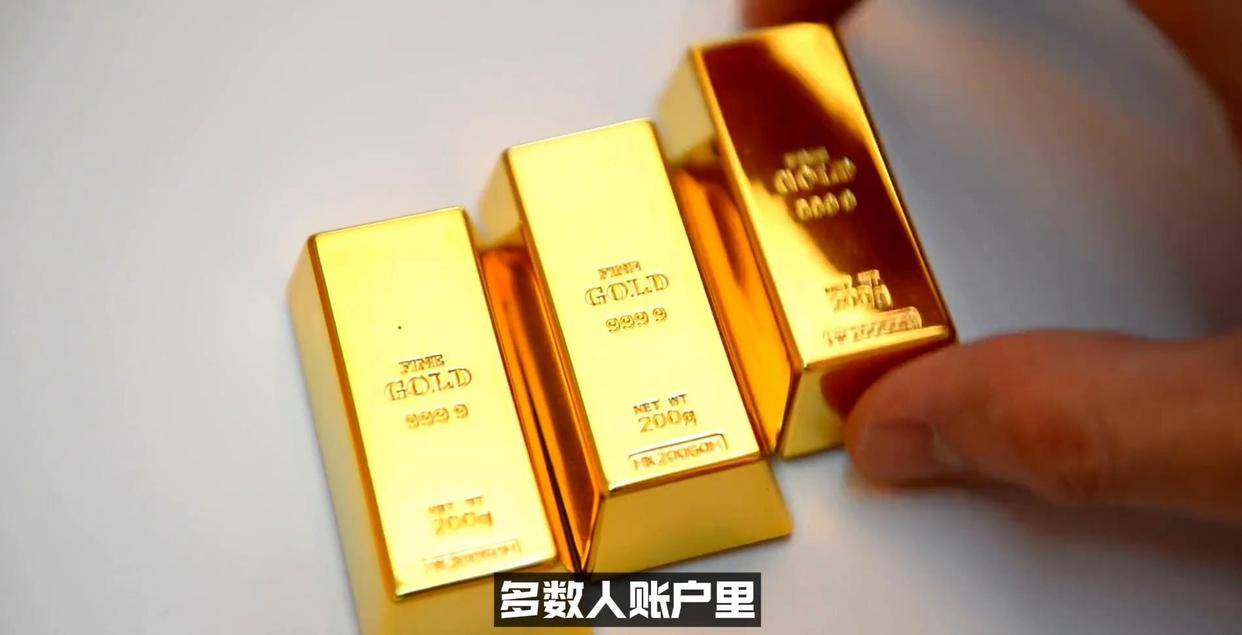
Core Viewpoint - The article discusses a significant market crash in precious metals, particularly gold and silver, highlighting the rapid shift in investor sentiment and behavior leading up to the crash, and drawing parallels to past real estate market bubbles. Group 1: Market Dynamics - On January 31, 2026, spot silver prices plummeted by 36%, while gold fell below $4,700 per ounce, marking the largest single-day drop in nearly 40 years [1] - Prior to the crash, many young individuals were seen queuing outside banks to convert consumer loans into gold bars, indicating a shift in investment focus from real estate to precious metals [3] - A policy initiated on September 1, 2025, aimed at stimulating consumer spending through subsidized loans, inadvertently became a tool for speculative investment in gold [5] Group 2: Investment Behavior - The consumer loan policy allowed individuals to borrow up to 50,000 yuan with a government subsidy, leading to a surge in gold purchases as people sought to capitalize on low-interest loans [5] - In 2025, China's total gold demand reached 1,003 tons, with gold ETFs attracting 110 billion yuan in inflows, reflecting a growing trend of investment in gold [5] - The market frenzy peaked in January 2026, with international gold prices rising nearly 30% within a month, and silver prices soaring close to 60% [7] Group 3: Market Collapse - The announcement of Kevin Warsh as the next Federal Reserve Chair by President Trump triggered fears of tighter monetary policy, leading to a sharp increase in the dollar index and a subsequent crash in gold and silver prices [9] - The crash was exacerbated by high leverage among retail investors, resulting in forced liquidations as prices fell below critical levels, causing a rapid decline in market value [9] - Following the crash, major banks adjusted their gold accumulation policies, reminiscent of past real estate market interventions, indicating a shift in market stability [10][12] Group 4: Historical Parallels - The article draws comparisons between the current gold market situation and past real estate bubbles, suggesting that many investors may be left holding depreciated assets while early investors exit profitably [14] - A report indicated that 47% of Chinese homeowners are currently underwater on their mortgages, mirroring the precarious position of gold investors post-crash [12]

李振豪:全球政经重塑下的投资策略 | 2025观点资本圆桌演讲
Sou Hu Cai Jing· 2025-05-09 23:55
Group 1: Market Strategy and Risks - The importance of patience and proactive capabilities for investors is emphasized, highlighting that risk assessment is crucial for determining investment strategies [1][2] - The discussion begins with a focus on risks, particularly the implications of tariffs and their underlying motivations, rather than just the numerical values associated with them [3][4] - The concept of "reciprocity" in tariffs is introduced, suggesting that the ultimate goal is to promote re-industrialization in the U.S. economy [4][6] Group 2: Economic Implications of Tariffs - The strategy of re-industrialization aims to stabilize the U.S. GDP by shifting production back to the U.S. and leveraging tariffs to attract foreign manufacturing [4][6] - The potential for the U.S. to export goods to emerging markets with zero tariffs is discussed, indicating a dual approach of attracting high-end industries while targeting new markets for U.S. products [6][8] Group 3: China and Global Trade Dynamics - The focus shifts to China, analyzing its trade relationships and the impact of U.S.-China trade tensions on both economies [8][9] - China's GDP structure is highlighted, with a significant portion driven by domestic demand, suggesting resilience despite trade challenges [9][10] Group 4: Investment Opportunities - Investment strategies should consider the increasing focus on domestic consumption in China, with potential benefits for related stocks and bonds [9][10] - The discussion includes the potential for investment in high-tech industries and infrastructure, such as space technology and 6G, as part of a broader investment strategy [10][11] Group 5: U.S. Debt and Currency Concerns - The narrative addresses concerns about U.S. debt and the role of the Federal Reserve in influencing bond yields, clarifying that the primary driver of rising yields is the Fed's own actions rather than foreign selling [11][12] - The stability of the U.S. dollar is defended, with data showing its continued dominance in global trade and reserves, countering fears of its decline [12][13] Group 6: Stock Market Analysis - The stock market's performance is analyzed, noting that while there are risks, not all sectors are performing poorly, and certain sectors have shown resilience [15][16] - The conclusion suggests that fears surrounding the stock and bond markets may be exaggerated, with gold emerging as a strong alternative investment [17][18]