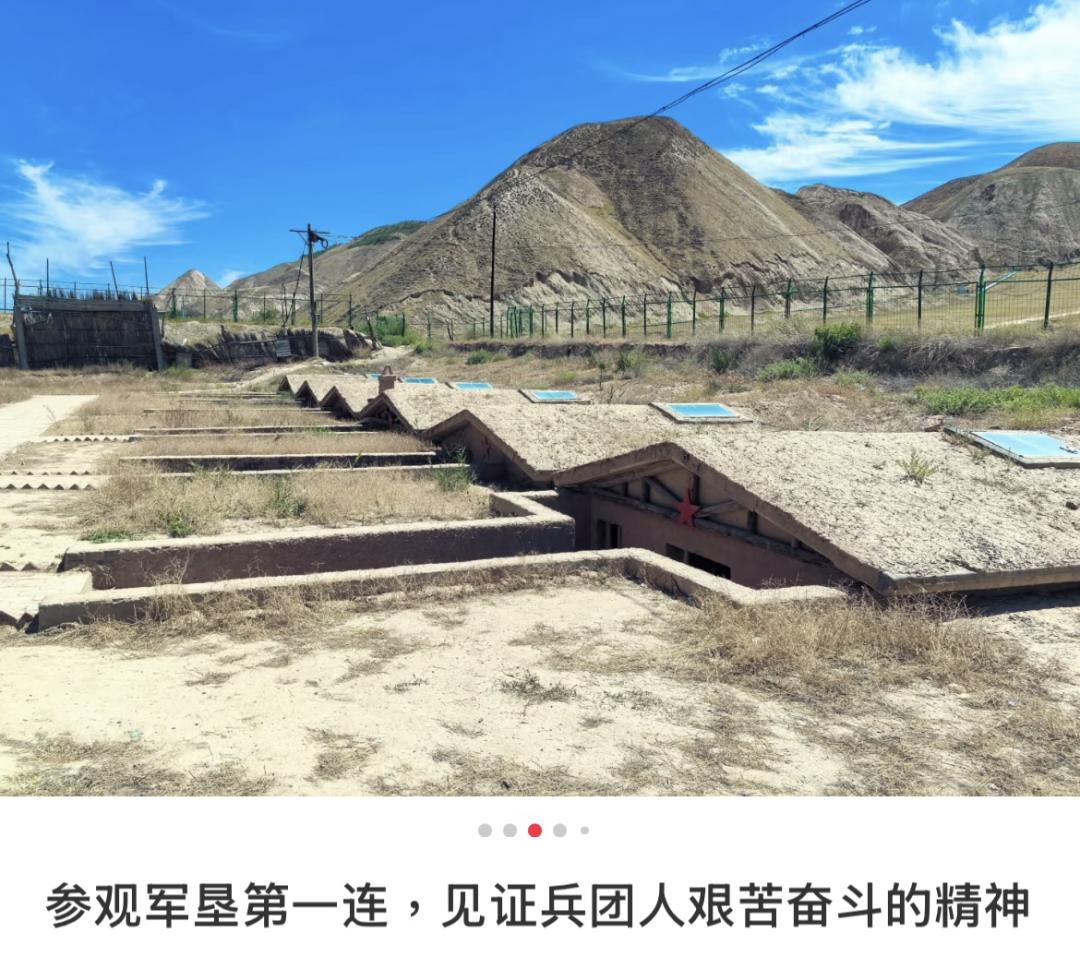
军垦文化

Search documents
戈壁滩上,军垦文化浸润心田(乡见)
Ren Min Ri Bao· 2026-01-11 01:58
Core Viewpoint - The development of the "Gobi Mother" cultural brand in the Xinjiang Production and Construction Corps is enhancing local tourism and cultural education, attracting nearly 100,000 visitors annually to its red education bases [1] Group 1: Cultural and Educational Initiatives - The "Gobi Mother" cultural initiatives include various artistic activities such as military-themed clay sculpture, paper-cutting, and enamel painting, allowing students to engage based on their interests [1] - The "Gobi Mother" cultural heritage is being preserved through educational visits to historical sites, such as the old residence of the Gobi Mother, which showcases the living conditions of early soldiers [1] - The establishment of literary studios in the region, inspired by notable authors, aims to enrich local culture and promote reading among residents [2][3] Group 2: Tourism and Economic Impact - The transformation of a former cotton processing factory into a creative park highlights the region's industrial history and attracts tourists through exhibitions of military culture [2] - The local government is leveraging military literature to enhance community engagement and cultural activities, contributing to the overall growth of the local economy [2][3] - The city of Hu Yang He is set to become the first "Literary Town" in Xinjiang and the Corps by June 2025, further solidifying its cultural significance [3]
棉田里的时代赞歌
Xin Lang Cai Jing· 2026-01-08 20:05
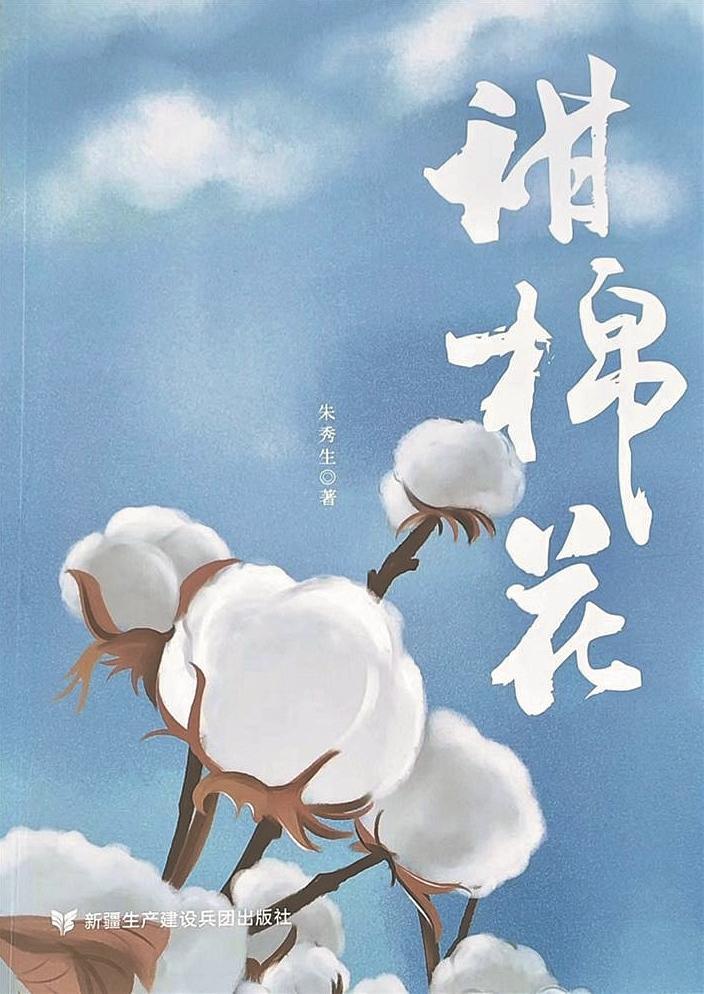
Core Viewpoint - The novel "Sweet Cotton" by author Zhu Xiusheng highlights the transformation of the Xinjiang Production and Construction Corps (XPCC) during the critical period of the Central Government's targeted poverty alleviation policies from 2016 to 2020, celebrating the military reclamation culture and the spirit of the Corps [2][3]. Group 1: Narrative and Themes - The narrative focuses on the "Zero Team" at the remote Suxingtan Farm, which is centered around cotton planting and faces challenges such as operational losses and youth migration [2]. - Key characters, including team leader Si Jun San and party secretary Liu Jian She, embody the spirit of responsibility and leadership in implementing poverty alleviation policies [2][3]. - The novel illustrates the evolution of agricultural practices, showcasing advancements from traditional methods to modern techniques, resulting in a significant increase in cotton yield from over 200 kg to over 500 kg per hectare [3]. Group 2: Character Development - The novel features a rich array of characters, with main figures like Si Jun San, Liu Jian She, and Ma Tongxi representing dedication and collaboration essential for the team's development [4]. - Secondary characters, such as Bai Youguang and Lai Bao, add warmth and vitality to the narrative, while the family dynamics of Zhu Mo Hu and Zhang Niu Hua reflect the resilience of the new generation of the Corps [4]. - The portrayal of female characters, such as Xu Lanlan and Tu Xue Mei, emphasizes their significant contributions to both agricultural work and community building, showcasing the spirit of gender equality [4]. Group 3: Cultural Significance - The novel integrates red gene elements into the characters' narratives, linking them to the historical context of military reclamation and cultural heritage [5]. - Core motifs of water and poplar trees symbolize the spirit of coexistence and mutual support among various ethnic groups in the border region [5]. - The story highlights acts of solidarity, such as the character Bai Youguang providing assistance to a local herder during a crisis, reinforcing the theme of community and shared responsibility [5]. Group 4: Literary Innovation - The author successfully merges military reclamation culture with regional culture, employing vivid storytelling and detailed character portrayals to bring the spirit of the Corps to life [6]. - The novel serves as a valuable addition to the literary representation of the XPCC, encapsulating both the historical significance and the contemporary relevance of its spirit and achievements [6].

“东方小夜曲” 醉人依旧(回望)
Ren Min Wang· 2025-11-08 01:13
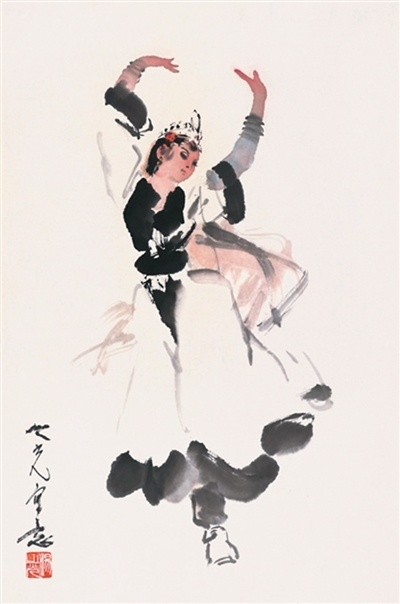
Core Viewpoint - The article highlights the cultural significance and historical context of the song "Grassland Night," which originated in the Xinjiang region of China, emphasizing its connection to local heritage and the transformation of the area over the decades [2][3][4][5][6] Group 1: Historical Context - The song "Grassland Night" was inspired by a scene observed by director Zhang Jiayi in 1959, where soldiers gathered around a campfire, leading to the creation of lyrics that reflect their hopes and dreams [2][3] - Composer Tian Ge was able to create the melody for "Grassland Night" shortly after receiving the lyrics, capturing the essence of the moment and the environment [4] Group 2: Cultural Impact - The Zhang Jiayi Memorial Hall in Kekedala showcases memorabilia, including a replica of the original cigarette box where the lyrics were written, symbolizing the song's enduring legacy [5] - The song has evolved into a cultural phenomenon, with modern interpretations such as dance performances and live broadcasts, illustrating its relevance in contemporary society [5][6] Group 3: Transformation of the Region - Kekedala has transformed from a desolate area into a vibrant community known as "China's Lavender Town," reflecting the changes brought about by the song and the cultural activities surrounding it [5] - The article describes the juxtaposition of historical elements, such as the original campfire setting, with modern infrastructure like the Kekedala Bridge, symbolizing progress and continuity [5][6]
新疆名字最“硬”的小城,被误解太久了
3 6 Ke· 2025-05-23 09:39
Core Viewpoint - The article highlights the unique characteristics and historical significance of Shihezi, a city in Xinjiang, which has transformed from a barren land into a vibrant urban area due to military reclamation efforts and cultural contributions, particularly in poetry [2][3][7]. Group 1: Historical Background - Shihezi, known as the "Pearl of the Gobi," was established over 70 years ago from a desert landscape through military reclamation efforts initiated by the People's Liberation Army [2][3]. - The city has remnants of its early reclamation history, including the "Donggu City" site from the Qing Dynasty, showcasing the initial settlement and agricultural activities [2][3]. - The military reclamation efforts in the 1950s led to the development of modern agriculture and infrastructure, creating a city that blends contemporary urban life with its rugged origins [3][5]. Group 2: Cultural Significance - Shihezi is recognized as a "hometown of poetry," largely due to the influence of poet Ai Qing, who lived there for 16 years and produced numerous works related to military reclamation [7][8]. - The city hosts the "Green Wind Poetry Conference," which has attracted over 200 poets and writers, further establishing its reputation in the literary community [7][8]. - In 2017, Shihezi was awarded the title of "City of Chinese Poetry" by the Chinese Poetry Association, reflecting its deep-rooted connection to poetry and literature [8][9]. Group 3: Modern Developments - The city has evolved to include various cultural elements, such as poetry parks and memorials dedicated to its literary heritage, integrating poetry into the urban landscape [9][10]. - Shihezi's culinary scene has also developed, with local specialties like Shihezi cold noodles, which blend influences from various regional cuisines, attracting tourists [6][10]. - The natural beauty surrounding Shihezi, including scenic spots like Nanshan Scenic Area and Guanyin Mountain, enhances its appeal as a tourist destination, complementing its cultural richness [9][10].