兵团精神

Search documents
赴一场兵团“红色旅游”之约
Xin Lang Cai Jing· 2026-02-23 20:39
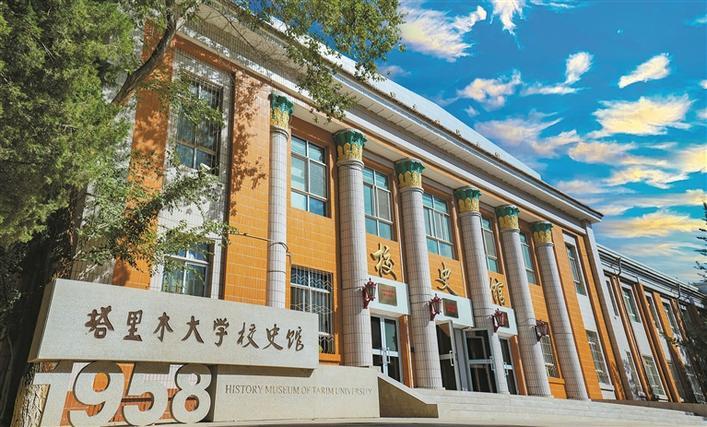
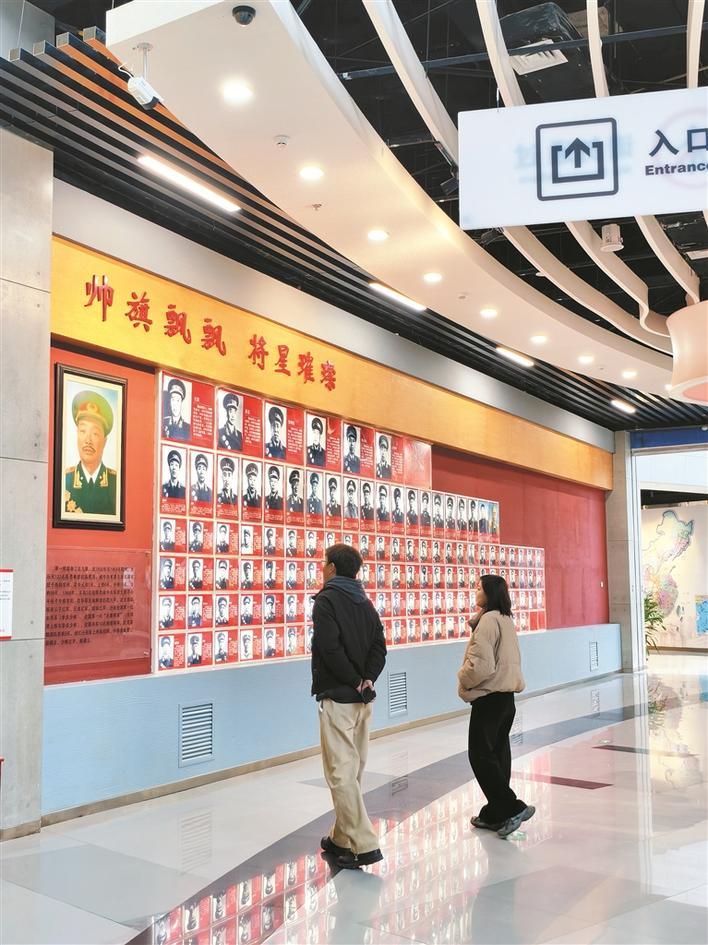
Core Viewpoint - The article highlights the rising trend of red tourism in Xinjiang Production and Construction Corps, emphasizing the cultural and historical significance of red-themed attractions and experiences that connect visitors with the region's revolutionary past [7][10]. Group 1: Red Cultural Tourism Development - A surge in red tourism is observed in various cities of the Xinjiang Production and Construction Corps, marking a significant cultural movement that transcends mere travel [7]. - The red exhibition halls serve as bridges connecting history with the present, showcasing the rich heritage of the Corps through numerous artifacts and exhibits [8][11]. - The Xinjiang Production and Construction Corps has developed 14 red education experience routes, allowing visitors to explore historical sites and museums in a structured manner [10]. Group 2: Immersive Experiences and Educational Programs - Immersive experiences, such as visiting well-preserved historical sites and participating in hands-on activities, allow visitors to engage deeply with the history of the Corps [11][12]. - Various educational programs are offered, enabling children and families to experience the labor and struggles of the past, fostering a connection to the Corps' legacy [12]. - The integration of modern technology in cultural centers enhances the learning experience, making historical narratives more accessible and engaging [11]. Group 3: Cultural and Artistic Expressions - The vitality of red culture is reflected in the artistic expressions that bring history to life through stage plays, poetry recitals, and other performances [13]. - The development of red cultural products, such as souvenirs and creative merchandise, merges historical elements with contemporary design, making the culture more relatable and collectible [13]. - Red culture has become an integral part of urban development and social progress in the region, influencing community activities and educational themes [14].

系列活动促进交往交流
Xin Lang Cai Jing· 2026-02-20 18:38
Core Viewpoint - The article highlights the cultural exchange and development initiatives in the Ershi Tiemenguan City, facilitated by resources from Hebei Province, aiming to enhance cultural prosperity and community engagement through various projects and exhibitions [1][4]. Group 1: Cultural Events and Exhibitions - The "Rich New Year Flavor, Intangible Cultural Heritage Welcomes the New Year" exhibition showcases traditional New Year customs and artworks from various regions, attracting local residents and promoting cultural appreciation [1][3]. - The exhibition is a result of collaboration between the Hebei Intangible Cultural Heritage Protection Association and the local cultural authorities, emphasizing the importance of cultural heritage [1]. Group 2: Cultural Infrastructure Development - The 27th Regiment's historical museum was established in 2023, utilizing Hebei's aid funds and preserving the historical essence of old buildings while enhancing their educational value [2]. - The city has developed cultural landmarks and artistic productions, such as the Silk Road Military Cultivation Cultural Museum and various theatrical performances, to deepen the integration of culture and tourism [2]. Group 3: Tourism and Economic Growth - The city plans to increase tourist visits and tourism revenue by 7.82% and 17.57% respectively by 2025, showcasing the effectiveness of cultural tourism initiatives [4]. - The development of the cultural industry is supported by talent training and exchanges, enhancing the capabilities of cultural workers and contributing to the overall cultural growth [4]. Group 4: Ongoing Cultural Initiatives - The city continues to leverage Hebei's resources to implement cultural projects, ensuring that local residents benefit from diverse cultural offerings [5]. - The collaboration between Hebei and Xinjiang aims to foster a sustainable cultural environment, promoting continuous cultural exchange and integration [5].
非遗剪纸,匠心传承守文脉
Xin Lang Cai Jing· 2026-02-17 17:35
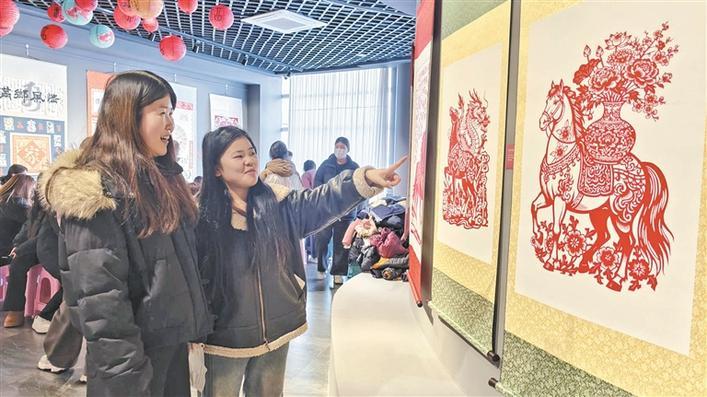
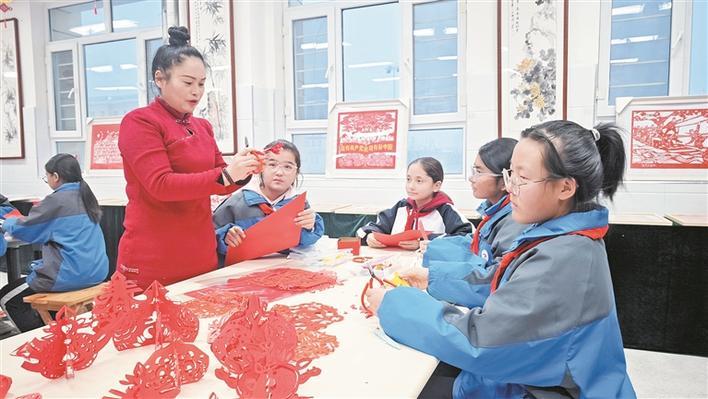
Core Viewpoint - The article highlights the ongoing efforts in the Six Division of Wujiaqu City to promote traditional Chinese paper-cutting art, particularly during the Spring Festival, fostering cultural heritage and community engagement [2][4]. Group 1: Community Engagement - Various community centers in Wujiaqu City are actively conducting non-material cultural heritage activities, particularly focusing on paper-cutting, to enhance cultural atmosphere during the festive season [2]. - The "Youth Paper-Cutting" event attracted many children and parents, where participants learned about the history and techniques of paper-cutting, creating a festive environment [2][3]. Group 2: Educational Aspects - The event featured hands-on teaching by paper-cutting enthusiast Chen Xueqing, who demonstrated techniques and provided guidance to children, emphasizing the importance of skill development and cultural transmission [3]. - Children were encouraged to express their creativity, with one student proudly showcasing her completed "Fu" character, indicating a personal connection to the cultural practice [3]. Group 3: Cultural Integration - Chen Xueqing integrated local elements into her designs, combining traditional patterns with regional symbols, thereby enriching the cultural significance of the paper-cutting art [3]. - The activities not only serve as a means of cultural education but also strengthen community bonds, making traditional art a part of daily life [4].
扎根边疆写青春
Xin Lang Cai Jing· 2026-02-17 17:34
Group 1 - The article emphasizes the dedication of youth who contribute to the development of the border regions, integrating personal ideals with national responsibilities [1][2] - It highlights various individuals and groups, such as the "Sea Buckthorn King" and the "Grain Security Vanguard," who embody the spirit of hard work and commitment to their communities [1] - The narrative reflects on the historical significance of youth engagement in national development, portraying their efforts as a response to the call for service in areas where they are most needed [1] Group 2 - The current context of the region is framed as a pivotal point for major strategic opportunities, including the "Belt and Road" initiative and the Western Development strategy, transforming it into a frontier for openness rather than a mere geographical boundary [2] - The article mentions the diverse opportunities available in sectors such as smart agriculture, green energy, cross-border e-commerce, and cultural tourism, indicating a broad stage for growth [2] - It calls for more ambitious youth to continue contributing to the development of the border areas, reinforcing the idea that their efforts will be historically significant and beneficial to the people [2]
童声传红韵 薪火永相传
Xin Lang Cai Jing· 2026-02-15 17:59
Core Viewpoint - The article highlights the importance of red education and the role of youth in preserving and promoting the spirit of the military reclamation efforts through training programs at the Hongxing Military Reclamation Museum [1][2]. Group 1: Training Programs - The "Shining Red Star" youth guide training program has been ongoing since 2017, with 15 sessions held and over 300 young volunteers trained to share stories of military reclamation [1]. - The training includes lessons on etiquette, pronunciation, historical facts, and body language, aimed at instilling patriotism and understanding of the military spirit in children [1]. Group 2: Visitor Engagement - The Hongxing Military Reclamation Museum has produced 42 young guides who actively participate in explaining the history to visitors during holidays and educational activities [1]. - The museum aims to make the history of military reclamation accessible and engaging for visitors through the voices of young guides [1]. Group 3: Broader Educational Initiatives - The city of Xinsheng has developed three "Finding the Red Star Journey" tourism routes, leveraging over 80 local red resources to enhance red education [2]. - By 2025, the red education initiatives are expected to reach over 54,000 individuals, with the museum projected to host more than 27,000 visitors [2]. Group 4: Cultural Legacy - The article emphasizes the ongoing transmission of the spirit of the military reclamation and the importance of instilling these values in future generations [3].
兵团“迎春送福”写春联送春联讲春联活动启动
Xin Lang Cai Jing· 2026-02-10 20:03
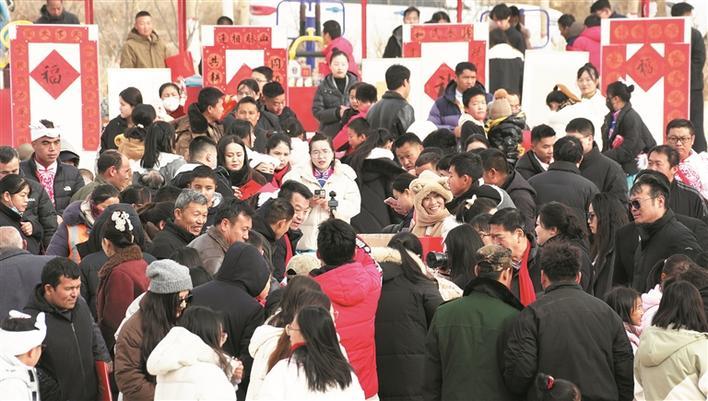
Group 1 - The "Welcoming Spring and Sending Blessings" event for writing and distributing Spring Festival couplets was launched on February 10, attracting over 400 participants from the military and local communities to celebrate the upcoming Year of the Horse [2] - More than 20 calligraphers from the military, Hotan region, and the 14th Division of Kunyu City collaborated with 30 young calligraphers from the "Little Poplar Project" to create couplets filled with blessings for the New Year and hopes for the development of the military and national unity [2] - The event was simultaneously held across various divisions and locations within the military, engaging tens of thousands of workers and promoting the essence of Chinese culture while fostering ethnic exchanges and strengthening the sense of a shared Chinese national community [3] Group 2 - The couplets created during the event conveyed messages of unity, hope, and cultural pride, resonating with the audience who appreciated and queued to receive them [2] - The initiative aims to promote traditional Chinese culture and the spirit of the military, enhancing community bonds and cultural identity among diverse ethnic groups [3]
墨香润心 兵团春早
Xin Lang Cai Jing· 2026-02-09 20:19
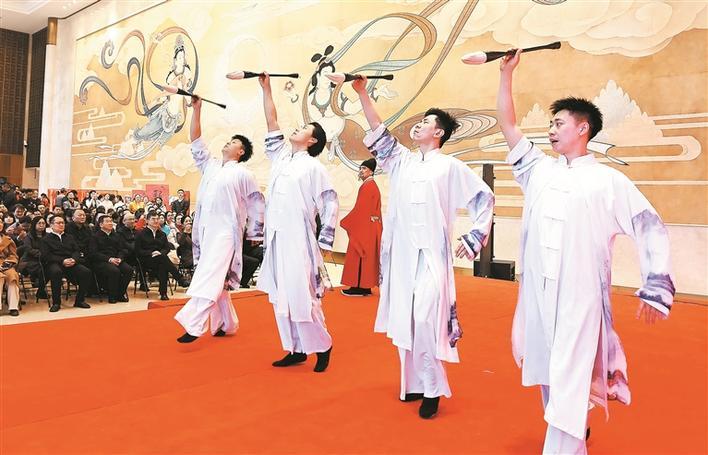
Core Viewpoint - The "Welcoming Spring and Sending Blessings" event held on February 6, 2026, at the Bingtuan Cultural and Art Center integrates traditional culture with the spirit of the Bingtuan, delivering New Year blessings and cultural nourishment to the workforce and community [7][9]. Group 1: Event Overview - The event featured calligraphy performances, where Bingtuan calligraphers collaborated with young students to create auspicious couplets, reflecting both traditional calligraphy and aspirations for national development [8]. - The atmosphere was vibrant, with red paper and the scent of ink, as participants engaged in writing and appreciating traditional culture [8]. Group 2: Cultural Significance - The event not only enhanced the festive atmosphere for the New Year but also promoted the transmission and appreciation of traditional culture, ensuring the Bingtuan spirit is passed down through generations [9]. - Various performances, including traditional opera and Sichuan opera face-changing, captivated the audience, fostering a lively interaction and deepening the understanding of traditional cultural knowledge [8][9]. Group 3: Community Engagement - Attendees actively participated in activities such as receiving calligraphy couplets, enjoying performances, and engaging in interactive quizzes, creating a joyful environment filled with laughter and New Year blessings [8][9]. - The event aimed to inspire the Bingtuan community to strive for progress and success in the new era, emphasizing the collective strength derived from cultural engagement [9].
深刻把握“十五五”时期兵团经济社会发展的战略部署
Xin Lang Cai Jing· 2026-02-08 18:30
Core Viewpoint - The article emphasizes the strategic direction and goals for the "15th Five-Year Plan" period of the Xinjiang Production and Construction Corps (XPCC), focusing on high-quality development, social stability, and integration with national strategies [1][2][3]. Economic and Social Development Goals - The main goals for the "15th Five-Year Plan" include achieving significant results in high-quality development, deepening reforms, enhancing openness, strengthening the awareness of the Chinese national community, boosting technological innovation, improving the quality of life for workers, and advancing the construction of a beautiful XPCC [6][7]. - The plan aims for a balance between qualitative improvements and reasonable quantitative growth, addressing issues such as economic scale, industrial structure, and innovation capabilities [6][7]. Strategic Positioning - The XPCC's development is aligned with the national strategy of Xinjiang's "five strategic positions," which include being a core area of the Silk Road Economic Belt and a significant energy resource base [3][4]. - The XPCC is tasked with maintaining stability and security, which is seen as its primary responsibility and mission [4][5]. Development Approach - The article outlines a comprehensive approach to development that includes strengthening the party's leadership, focusing on the people's needs, and ensuring coordinated efforts across various sectors [8][9][10]. - Emphasis is placed on system planning and coordination to enhance overall development efficiency, integrating economic construction with national defense and urban-rural development [10][11]. Innovation and Reform - The article highlights the importance of innovation and reform as fundamental drivers of development, encouraging a culture of exploration and creativity within the XPCC [12]. - It stresses the need to overcome institutional barriers and foster an environment that supports innovation and entrepreneurship [12].
以骏马之姿忠实履行维稳戍边职责使命
Xin Lang Cai Jing· 2026-02-08 18:30
Group 1 - The core viewpoint emphasizes the importance of the Xinjiang Production and Construction Corps (XPCC) as a strategic force in achieving the central government's goals for Xinjiang, focusing on stability, unity among ethnic groups, and development of advanced production and culture [1][3][5] Group 2 - The XPCC is recognized for its historical contributions to national border security and social stability in Xinjiang, with a legacy of overcoming significant challenges since its establishment [2][3] - The organization aims to enhance armed forces and professional stability forces, improve border management, and promote economic development in border areas to maintain social harmony [3][5] Group 3 - The XPCC promotes ethnic unity by actively engaging with local communities, providing agricultural training, and supporting local development projects, thereby fostering a sense of community among various ethnic groups [4][5] Group 4 - The XPCC is committed to advancing modern agriculture and industrialization, focusing on the integration of advanced technologies and sustainable practices to enhance productivity and cultural development [6][8] - The organization plans to deepen reforms and explore high-quality development paths that reflect its unique characteristics, aiming to establish itself as a model for modern agricultural and industrial practices [8]
塔里木河记得
Xin Lang Cai Jing· 2026-02-05 18:10
Core Viewpoint - The establishment of Aral City as a historical and cultural city of the Xinjiang Production and Construction Corps marks a significant opportunity for the region, reflecting its rich history and the ongoing development of its cultural identity [1][2]. Group 1: Historical Significance - The Tarim River has witnessed the evolution of Aral City from a barren land to a vibrant community, symbolizing the struggles and achievements of the people who settled there [1][5]. - The city has been officially recognized as a historical and cultural city, following the example of Shihezi City, which will bring new opportunities and responsibilities [2]. Group 2: Cultural Heritage - The old buildings and stories within the city serve as a testament to its historical journey, showcasing the resilience and spirit of the settlers [2]. - The transformation of living conditions from simple earth dwellings to modern apartments illustrates the progress made by the people over the decades [4][10]. Group 3: Community and Identity - The memories and experiences of the older generation, such as Zhang Huaying, highlight the communal spirit and collective effort in building their homes and lives in the harsh environment [3][4]. - The ongoing efforts to preserve historical sites, like the old power plant and the university's cave-style classrooms, reflect a commitment to maintaining the cultural identity of the region [9][11]. Group 4: Modern Developments - The plans to convert historical sites into cultural and creative parks indicate a shift towards integrating history with modern urban development, enhancing the city's appeal [7][8]. - The engagement of younger generations in storytelling and preserving history signifies a continuous connection to the past while looking towards the future [12][18].