农村养老

Search documents
第六埠村幸福院正式启用
Xin Lang Cai Jing· 2026-02-07 21:55
Core Points - The Sixth Bu Village Happiness Center has officially opened, serving as a comprehensive facility for elderly care, including day care, health and wellness, cultural entertainment, and meal services [1][2] - The project is supported by the central special lottery public welfare fund and is part of the rural revitalization initiative in the revolutionary old areas [1] - The center has a total construction area of 1161.11 square meters and is designed to serve over 1,600 elderly individuals from the village and surrounding areas [1] Facility Features - The center includes a spacious dining area that will provide nutritious and easily digestible meals for the elderly [1] - A fitness and rehabilitation space is equipped with various devices such as moxibustion chairs and massage chairs, catering to the health needs of the elderly [1] - The second floor features a well-equipped cultural rehearsal room for activities like square dancing, folk arts, and choir, along with a comfortable resting area for seniors [2] Community Impact - The opening of the Happiness Center not only brings convenience and warmth to the elderly in the village but also sets a new benchmark for village-level elderly care services in the Xiqing District [2] - The Xiqing District plans to use this initiative as a catalyst to continuously optimize the layout of elderly care services, improve facilities, and enhance service quality, promoting a professional, refined, and diversified approach to rural elderly care [2]
多措并举破解农村养老难题
Jing Ji Ri Bao· 2026-02-05 22:13
Core Viewpoint - The article emphasizes the importance of optimizing basic elderly care services in the context of an aging population, particularly through the development of rural happiness homes as a key initiative to address the needs of vulnerable groups such as empty nesters, left-behind children, and disabled individuals [1]. Group 1: Current Status and Achievements - Rural happiness homes are government-supported, village-managed, and socially-involved public service facilities that provide essential services such as dining, fitness, entertainment, and care for elderly individuals in rural areas [1]. - Successful examples include the transformation of an unused school building in Qiantun Village, Hebei Province, into a free living space for eligible elderly residents, who manage their daily lives with mutual assistance [1]. - In Jinan, Shandong Province, increased support since 2021 has enhanced the operational effectiveness of rural happiness homes, contributing to both basic care and a positive social environment [1]. Group 2: Challenges and Recommendations - Current challenges in the construction of rural happiness homes include inadequate financial support, insufficient management mechanisms, and a prevalence of "empty shell" facilities [2]. - Recommendations include the need for improved policies and regulations to establish clear guidelines for the development of rural happiness homes, ensuring accountability and effective emergency management [2]. - There is a call for comprehensive service enhancement, focusing on the most vulnerable elderly populations, including those with disabilities and solitary living situations, to provide equitable and quality care [2]. Group 3: Financial Support and Urban-Rural Integration - Strengthening financial support through government-led funding and public service purchases is suggested as a viable approach to enhance the development and operation of rural happiness homes [3]. - The article advocates for the integration of urban and rural elderly care services, proposing that high-quality urban services be extended to rural areas while also facilitating some rural elderly individuals to relocate to urban settings for better care [3].
炊烟袅袅 孝老年年
Xin Lang Cai Jing· 2026-02-03 19:46
Group 1 - The core idea of the articles revolves around the establishment of community dining services in rural areas, particularly in Dongshan Village, which not only provides meals but also fosters social interaction and a sense of belonging among the elderly [1][2][3] - The community dining initiative has evolved from merely providing meals to incorporating various facilities such as massage chairs, beds, and washing machines, enhancing the overall quality of life for the elderly [2] - The initiative reflects the traditional value of respecting and caring for the elderly, expanding it into a community-wide effort that promotes collective support and engagement [2][3] Group 2 - The story of Dongshan Village illustrates that the solution to rural elderly care lies within the community, emphasizing the importance of companionship and participation in daily life [3] - The community dining service is a practical approach to addressing the challenges of elderly care, highlighting the significance of basic needs such as access to hot meals and social interaction [3] - This initiative is part of a broader movement in Qinghai Province, aiming to establish numerous similar dining services by the end of 2025, benefiting over 100,000 elderly individuals [2]
福建华安:让村里老人,吃上热乎的“幸福味”
Xin Lang Cai Jing· 2026-01-27 10:39
Core Viewpoint - The establishment of a "Happiness Canteen" in Daking Village, Fujian Province, addresses the needs of elderly residents, providing them with affordable meals and fostering community engagement [1][3][5]. Group 1: Background and Initiation - In December 2024, Song Fan, a village secretary, identified the need for a dining facility for the elderly in Daking Village, where many were living alone and lacked proper dining options [3]. - The Happiness Canteen was initiated after securing funding of 350,000 yuan for its establishment and surrounding environment improvements [3]. Group 2: Operations and Community Impact - The canteen officially reopened on the Double Ninth Festival in 2025, offering lunch and dinner to villagers aged 70 and above for a monthly fee of 100 yuan [5]. - The canteen has become highly popular, with 51 out of 73 eligible elderly residents regularly dining there, significantly enhancing their social interactions and meal experiences [5][7]. Group 3: Community Support and Sustainability - The operational funding challenges were mitigated by community support, with villagers contributing money and resources, including donations from the children of elderly residents and local businesses [7]. - The initiative has led to the establishment of four similar canteens in Huazhou County, employing a "six-point" model to diversify funding sources and enhance community involvement in elderly care [7].

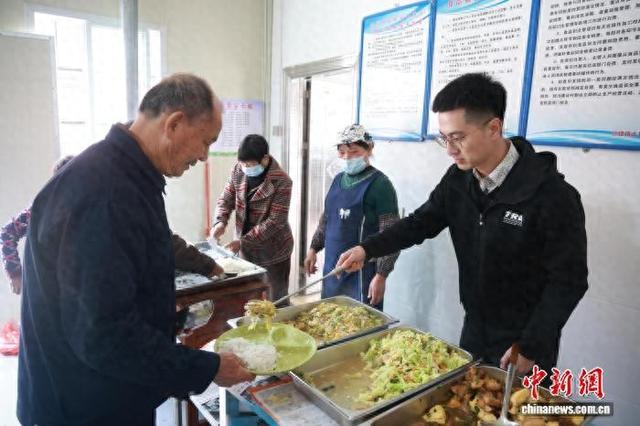
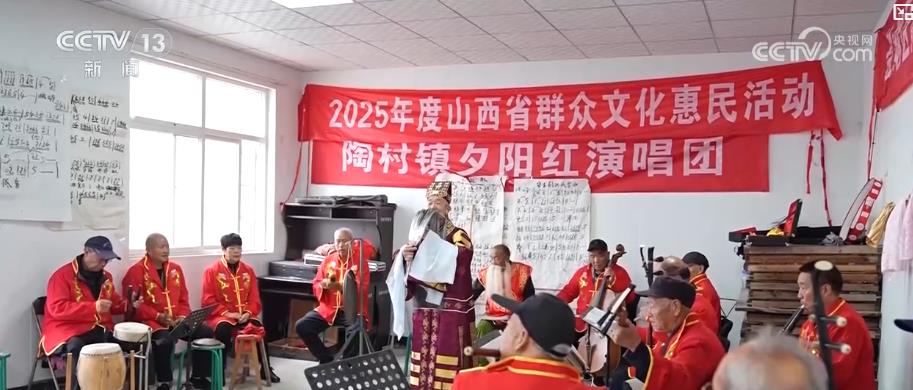
“家门口”的幸福驿站:县乡村三级养老服务体系加速构建 全方位服务守护“夕阳红”
Yang Shi Wang· 2025-10-22 07:39
Core Insights - The rural elderly population in China aged 60 and above is approximately 120 million, with a less developed elderly care service system compared to urban areas [1] - During the 14th Five-Year Plan period, efforts are being made to address the shortcomings in rural elderly care services, with a focus on building a three-tiered service system at the county, township, and village levels [1] Group 1: Daytime Care Centers - In Shanxi Province, a daytime care center in Taocun Town has become a hub for elderly activities, with an average participant age of 73 [1] - The center provides meals and entertainment, along with over 20 beds for elderly residents in need of care [3] - There are now over 120,000 such daytime care centers nationwide, serving as convenient support stations for the elderly [3] Group 2: Community Living Solutions - In Nanping City, Fujian Province, vacant houses in rural areas are being repurposed into elderly care facilities to address the needs of solitary and left-behind elderly individuals [3] - The "Happiness Community" primarily accommodates elderly residents aged 60 to 80 who are capable of self-care, enhancing their living conditions [5] - The community offers meal services, recreational activities, and health management, including regular health check-ups and educational sessions [5]
重构父母养老:一个农村独生女的破局之路
Hu Xiu· 2025-10-22 06:11
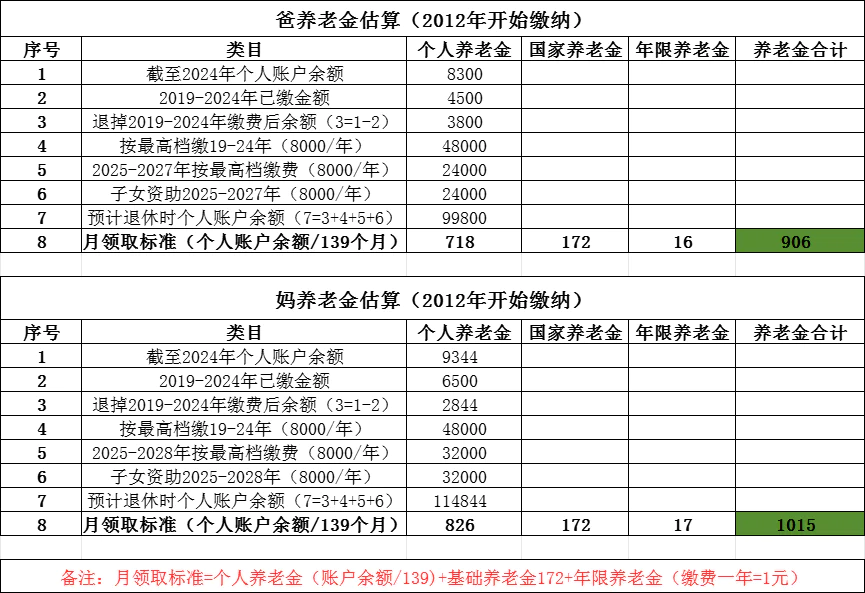
Core Viewpoint - The article discusses the evolving perceptions of rural parents regarding retirement and social security, highlighting the challenges faced by the younger generation in bridging the gap between traditional reliance on family and modern social security systems [1][18]. Group 1: Rural Life and Economic Conditions - The idyllic rural lifestyle has low living costs, with families being self-sufficient in food and resources, leading to minimal discussions about retirement planning among older generations [2][4]. - Many rural parents, having grown up in times of scarcity, prioritize immediate financial needs over future security, resulting in a lack of awareness about retirement planning [4][5]. Group 2: Social Security Awareness and Participation - There is a growing awareness among the younger generation about the importance of social security, with many actively seeking ways to improve their parents' retirement benefits [5][6]. - The gradual increase in the minimum contribution for urban and rural residents' pension insurance reflects national efforts to enhance retirement security, yet there remains a significant gap in understanding among the populace [6][9]. Group 3: Personal Experiences and Strategies - The article shares personal anecdotes of individuals navigating the complexities of pension contributions for their parents, emphasizing the need for higher contributions to secure better retirement benefits [10][12]. - The process of convincing parents to increase their pension contributions often involves detailed planning and communication, showcasing the role of the younger generation as intermediaries in understanding and implementing social security policies [17][21]. Group 4: Societal Changes and Responsibilities - The shift from relying on land and children for support to understanding and trusting modern social security systems represents a significant transformation for rural families [18][20]. - The younger generation, particularly rural only daughters, are taking on dual responsibilities of child-rearing and elder care, acting as bridges between rural and urban settings amid rapid societal changes [20][21].
农村养老:女儿们不能承受之重
Hu Xiu· 2025-07-07 04:38
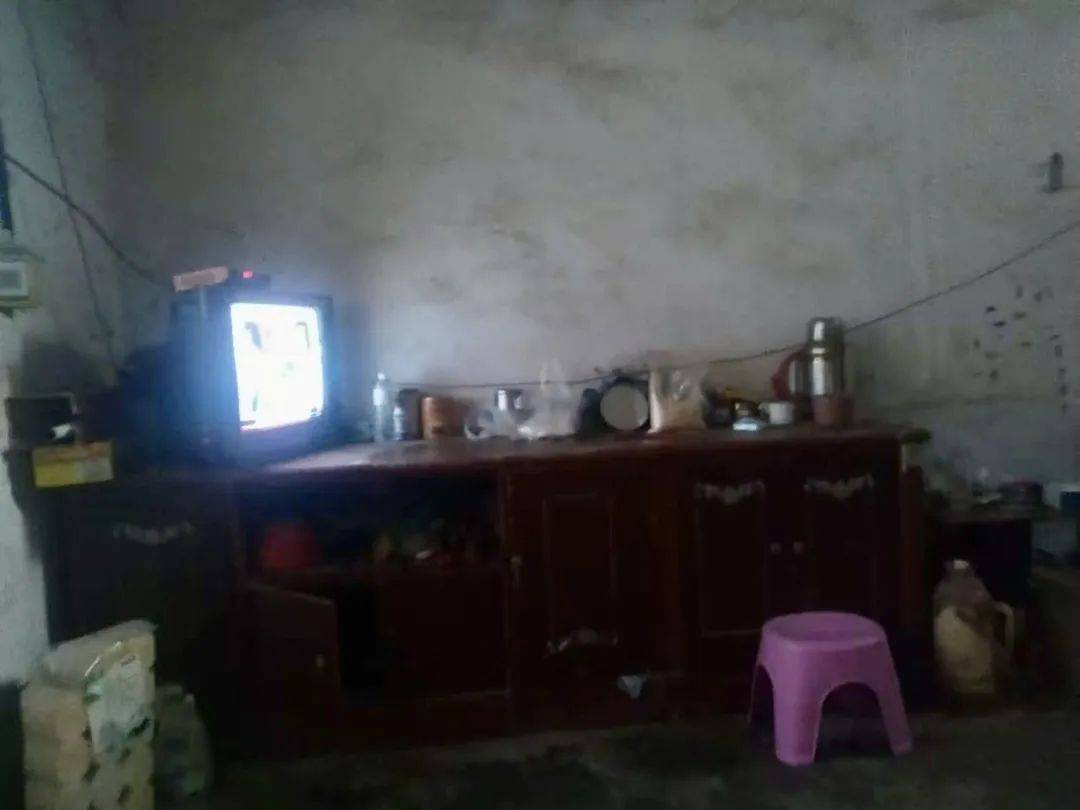
Group 1 - The article highlights the challenges faced by rural families in caring for elderly relatives, particularly focusing on the emotional and physical burdens placed on daughters [4][20][52] - It discusses the shift in traditional family roles, where the expectation of sons to care for aging parents is often unmet, leading to daughters taking on the responsibility [22][24][55] - The narrative illustrates the complex dynamics within the family, including conflicts over caregiving responsibilities and financial support, particularly between siblings [10][12][25] Group 2 - The article emphasizes the inadequate support systems for elderly individuals in rural areas, where many families are left to manage care independently due to the migration of younger generations for work [51][52] - It presents a personal account of the caregiving experience, detailing the physical tasks involved and the emotional challenges of reconnecting with an aging parent [38][46][56] - The piece concludes with reflections on generational differences in attitudes towards caregiving and the evolving understanding of familial responsibilities [54][56]
乡村振兴 | 田野对谈之对话吕德文(中):维持型乡村的功能
中金点睛· 2025-06-15 00:12
Core Viewpoint - The article emphasizes the importance of rural areas in understanding contemporary Chinese economic and social development, highlighting the concept of "maintaining villages" and their role in elderly care and rural revitalization [2][4]. Group 1: Research and Observations - CICC Global Institute has conducted extensive field research across 21 provinces, 58 counties, and over 300 villages to analyze rural changes and challenges [2]. - The concept of "maintaining villages" is identified as representing approximately 80% of all villages, which are characterized by their inability to be merged or activated due to their essential functions [3]. Group 2: Elderly Care in Rural Areas - Maintaining villages play a crucial role in elderly care, serving as strategic resources to address the aging population in China, with established grassroots organizations and community structures [4]. - Future improvements in rural elderly care should focus on enhancing social security income and developing localized elderly care services rather than merely providing pensions [5].