
冬季出行安全

Search documents
道路结冰预警,返程请注意!
Xin Lang Cai Jing· 2026-01-03 01:44
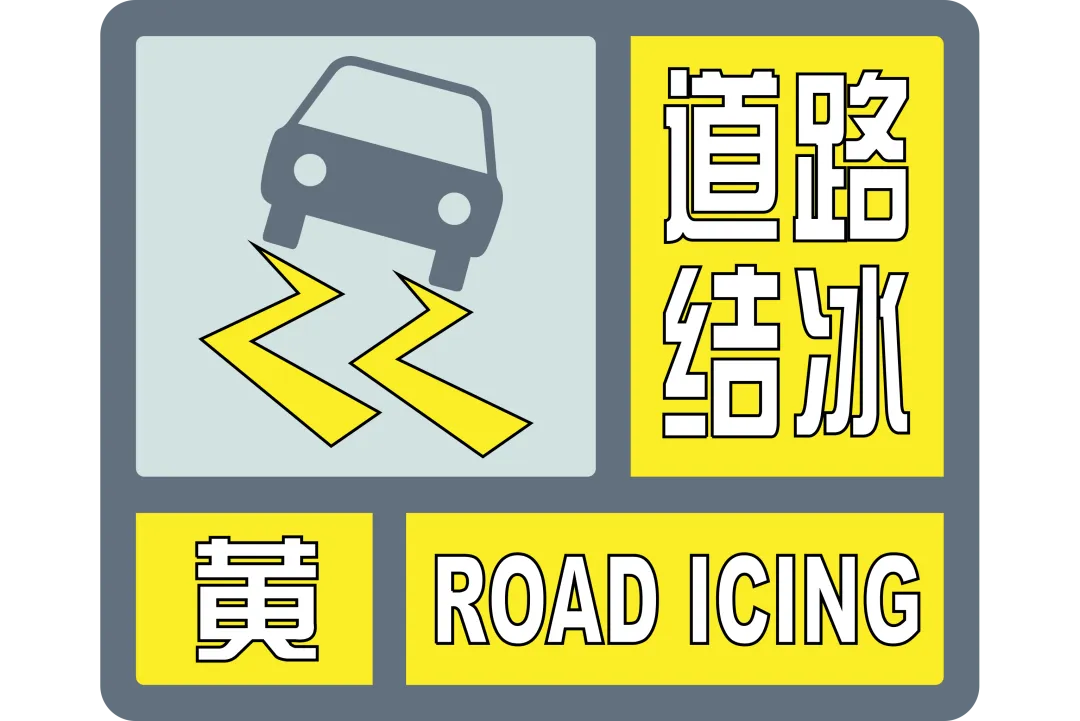
转自:宜昌发布 今天(1月3日) 宜昌市气象台 发布道路结冰黄色预警信号 预计今天到明天 我市兴山、夷陵、秭归、长阳、五峰、远安等地 半高山以上地区 有对交通有影响的道路结冰 当遇到道路结冰时 还有哪些安全注意事项? 冬/季/出/行/安/全/提/示 l 量行经贸 2 中华人民共和国应急管理部 遇大雾、雨雪湿滑、路面结冰 全 携 时,车速要降低,缓给油、轻 转向,忌急刹。 6 @ vita sun 冬/季/出/行/安/全/提/示 苏家 CDFF 2 中华人民共和国应急管理部 热车取暖要做好通风,切勿在密闭车 4 库、地下停车场长时间怠速热车,谨 # 75 防一氧化碳中毒。 6 @ 应急管理部 冬/季/出/行/安/全/提/示 控制灯光 2 中华人民共和国应急管理部 全 大雾、降雪时,及时开启近光灯与前后雾 撸 灯,避免使用远光灯。 6 @vise un 冬/季/出/行/安/全/提/示 r = = = ( 中华人民共和国应急管理部 重点检查轮胎花纹与胎压、刹车 全 效能、电瓶电量及全车灯光,确 保工作正常。 6 @ DR # EM 冬/季/出/行/安/全/提/示 T ( 2 中华人民共和国应急管理部 骑行选择安全的 ...

科普 | 冬季出行,这份安全指南请收下
Ren Min Ri Bao· 2025-11-26 00:38
Group 1 - The article emphasizes the importance of safety during winter travel due to adverse weather conditions such as low temperatures, rain, and snow [1][9] - It highlights the risks associated with charging electric bicycles in wet conditions, including short circuits and electric shocks [3][4] - Recommendations for safe charging practices include ensuring dry conditions before charging, avoiding outdoor charging in rain or snow, and using certified battery components [4][6] Group 2 - The article discusses the necessity of thorough vehicle checks before driving in winter, focusing on tire pressure, fluid levels, and brake systems to prevent accidents [6][7] - It advises drivers to be cautious of visibility issues caused by fog and to use appropriate lighting [10] - Specific driving tips for adverse weather include reducing speed, maintaining increased following distances, and avoiding sudden maneuvers [9][10]
冬季出行,这份安全指南请收下
Ren Min Ri Bao· 2025-11-25 23:14
Group 1 - The article emphasizes the importance of safety during winter travel due to adverse weather conditions such as low temperatures, rain, and snow [1] - It highlights the risks associated with charging electric bicycles in wet conditions, leading to potential short circuits and electric shocks [2] - Recommendations include performing a "dry check" before charging, avoiding outdoor charging in rain or snow, and ensuring hands are dry when handling charging equipment [2][3] Group 2 - The article discusses the impact of low winter temperatures on electric bicycle battery performance, advising against overnight charging to prevent overheating and potential fire hazards [3] - It warns against unauthorized modifications to electric bicycles, which can lead to electrical system imbalances and increase the risk of short circuits [3] - Drivers are advised to conduct thorough vehicle checks before winter travel, focusing on tire pressure, fluid levels, and the functionality of lights and brakes [4] Group 3 - The article notes that experienced drivers are still prone to accidents in adverse weather, indicating that both weather conditions and driver negligence contribute to incidents [6] - Specific driving tips for winter conditions include reducing speed, maintaining increased following distances, and avoiding sudden maneuvers [6][7] - In foggy conditions, the use of appropriate lights is crucial, and drivers should avoid using high beams to prevent glare [7]
冬季出行,这份安全指南请收下(服务窗)
Ren Min Ri Bao· 2025-11-25 22:42
Core Points - The article emphasizes the importance of safety during winter travel due to adverse weather conditions such as low temperatures, rain, and snow [1] Group 1: Electric Bicycle Safety - Charging electric bicycles in wet conditions can lead to short circuit accidents, as demonstrated by a recent incident where a woman was injured while charging her bike outdoors [2] - Recommendations include performing a "dry check" before charging, avoiding outdoor charging in rain or snow, and ensuring hands are dry when handling charging ports [2][3] - Overcharging electric bicycle batteries can cause overheating and potential fire hazards; it is advised to limit charging time to no more than 12 hours [3] Group 2: Vehicle Maintenance and Safety - Drivers are urged to conduct thorough vehicle checks before winter travel, focusing on tire pressure, brake fluid, and lighting systems to prevent accidents [4] - Proper defogging techniques are highlighted, suggesting the use of cold air initially to clear fog before switching to warm air [4] - Parking precautions include avoiding parking under trees and clearing snow from vehicles to prevent visibility issues while driving [5] Group 3: Driving in Adverse Weather - The article notes that experienced drivers are still prone to accidents in bad weather, with a significant percentage of recent accidents involving drivers with over five years of experience [6] - Key driving tips for adverse weather include reducing speed, increasing following distance, and avoiding sudden maneuvers [6][7] - In foggy conditions, the use of appropriate lights is crucial, and drivers should avoid using high beams to prevent glare [7]