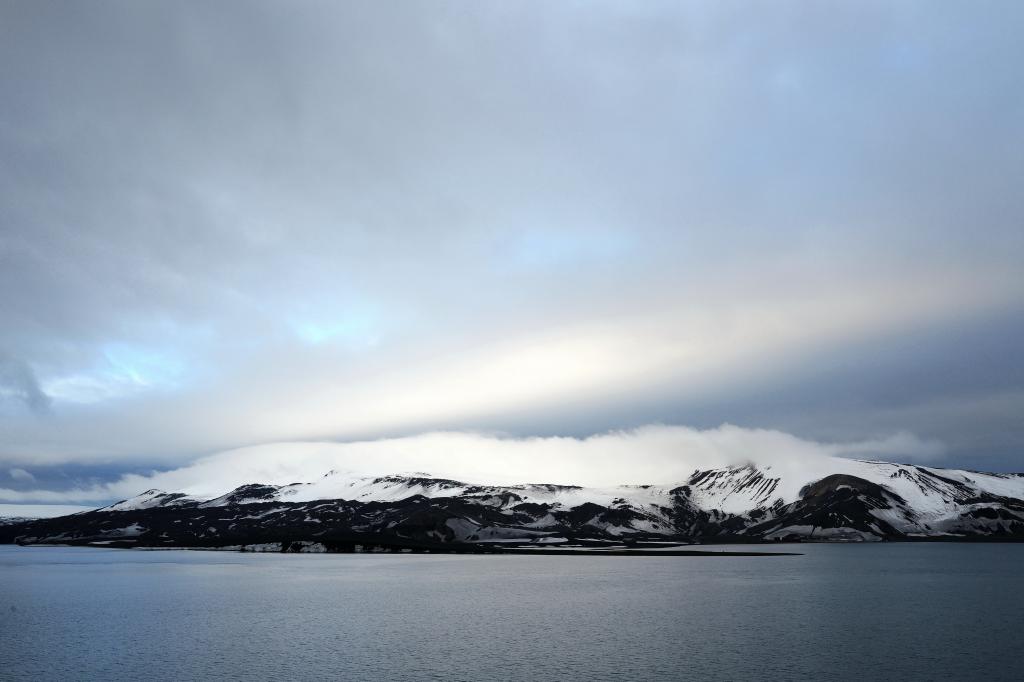
冰芯研究

Search documents
29次来华!他联手中国科学家,在青藏高原破解“冰川密码”
Bei Jing Ri Bao Ke Hu Duan· 2026-01-27 06:37
Core Viewpoint - The article highlights the significant contributions of American glaciologist Lonnie Thompson to glacier research in the Tibetan Plateau, emphasizing his collaboration with Chinese scientists over nearly four decades to unlock the climate secrets of this region [3][4][6]. Group 1: Thompson's Contributions and Achievements - Lonnie Thompson is recognized as a pioneer in low-latitude glacier research, having led numerous expeditions to collect ice core samples from various regions, including the Tibetan Plateau [3][4]. - He introduced advanced ice core drilling technology to China, which laid the foundation for glacier research in the country [4][6]. - Thompson's team has achieved several milestones, including the first deep ice core drilling in China and the longest ice core record from a low-latitude region, spanning over 700,000 years [12][14]. Group 2: Collaborative Efforts and Scientific Impact - The collaboration between American and Chinese scientists has resulted in significant findings, such as the confirmation of dry snow zones in mid-latitude glaciers, enhancing the understanding of ice core preservation [14][16]. - The joint research efforts have led to the publication of over 30 articles in influential scientific journals, increasing the international academic influence of Chinese scientists [18][19]. - The establishment of the Third Pole Environment (TPE) international plan aims to address climate change challenges, with Thompson playing a crucial role in promoting this initiative [20][22]. Group 3: Future Directions and Environmental Concerns - The article emphasizes the importance of continued collaboration in glacier research to address global climate change, with Thompson advocating for a united scientific community [22][23]. - The advancements in glacier research in China, supported by government investment and international collaboration, have positioned the country at the forefront of this field [20][22].

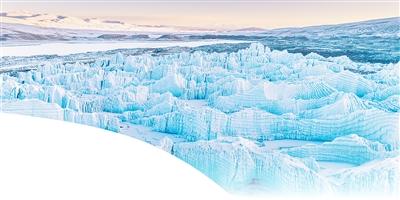
破解青藏高原冰川密码(相知无远近)
Ren Min Wang· 2026-01-26 22:38
Core Viewpoint - The article highlights the significant contributions of Dr. Lonnie Thompson in the field of glaciology, particularly in the study of low-latitude glaciers and the collaboration between Chinese and American scientists in ice core research on the Tibetan Plateau [11][20]. Group 1: Contributions of Dr. Lonnie Thompson - Dr. Thompson is recognized as a pioneer in low-latitude glaciology, having led numerous expeditions to collect and analyze ice core samples from various countries [11][12]. - He introduced ice core drilling technology to China, significantly advancing the country's glaciology research [15][19]. - His collaboration with Chinese scientists, particularly with Dr. Yao Tandong, has resulted in numerous groundbreaking discoveries and the establishment of the Chinese glaciology research framework [14][19]. Group 2: Ice Core Research Significance - Ice cores serve as "environmental archives," preserving climate data over thousands to millions of years, which is crucial for understanding past climate changes and human impacts [12][13]. - The Tibetan Plateau, with over 40,000 glaciers covering approximately 49,000 square kilometers, is vital for studying climate patterns in Asia and globally [13][14]. - Recent achievements include the successful drilling of a 324-meter ice core in 2024, marking the longest ice core extracted from low-latitude glaciers [22]. Group 3: Collaborative Efforts and Achievements - The collaboration between Chinese and American scientists has led to significant milestones, including the first deep ice core drilling in China and the longest ice core record spanning over 700,000 years [19][20]. - The establishment of the Third Pole Environment (TPE) initiative aims to enhance international cooperation in glaciology and climate research [24]. - Dr. Thompson's ongoing efforts to promote scientific collaboration and education have resulted in the training of over 200 Chinese students in glaciology [21][24].
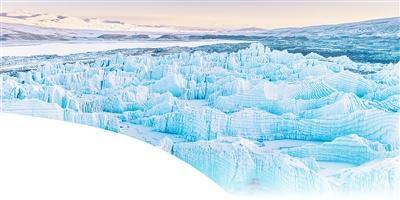
气候资讯|1月全球前沿气候科学研究&极端天气气候事件
Xin Lang Cai Jing· 2026-01-24 01:05
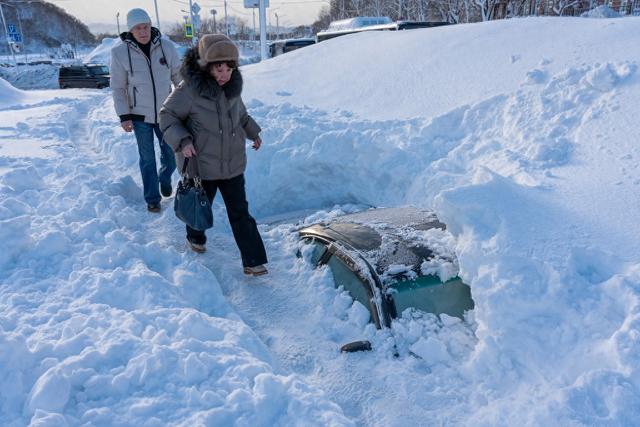
Group 1: Global Temperature Trends - The World Meteorological Organization confirmed that 2025 continued the trend of record-high global temperatures, with 2026 likely to remain at elevated levels [1] - The Copernicus Climate Change Service reported that 2025 was the third hottest year on record, with a three-year average global temperature exceeding pre-industrial levels by over 1.5 degrees Celsius for the first time [11] - The long-term global warming level is estimated to be approximately 1.4 degrees Celsius higher than pre-industrial levels [11] Group 2: Extreme Weather Events - The northern hemisphere is experiencing extreme weather, including severe snowstorms in Russia's Kamchatka Peninsula and the northeastern United States, as well as cold waves in Europe and heavy snowfall in Japan [1][5][7] - Australia faced a heatwave in early January 2026, with temperatures exceeding 40 degrees Celsius, leading to wildfires and power supply issues [13][15] - Continuous heavy rainfall in southern Africa has resulted in hundreds of deaths and significant flooding in Mozambique, South Africa, and Zimbabwe [21][22] Group 3: Ocean and Climate Impact - The global ocean's upper 2000 meters of heat content reached a record high for the ninth consecutive year, indicating a clear trend of ocean warming [19] - The warming oceans are affecting marine ecosystems and human societies, contributing to lower dissolved oxygen levels and increasing risks of marine heatwaves and coral bleaching [19] - The melting of the Greenland ice sheet may lead to regional sea level declines around Greenland due to land rebound, presenting new challenges for local infrastructure and food security [24] Group 4: Coral Reefs and Microbial Dynamics - Research indicates that coral reefs influence the composition and activity of surrounding microbial communities, shaping energy and nutrient flows in marine ecosystems [15] Group 5: Climate Research Initiatives - A new project named "Ice Memory" aims to store alpine ice core samples in Antarctica for future research, preserving historical climate data and the impact of human activities on climate [26][28]
保留地球冰冻记忆 南极一冰芯库启用
Xin Hua Wang· 2026-01-15 10:16
Group 1 - The world's first cold storage facility for high mountain ice cores has been officially opened in Antarctica, where ice cores from the Alps are being stored [1][3] - The ice core storage project, named "Ice Memory," is operated by a foundation consisting of research institutions from France, Italy, and Switzerland, aimed at preserving ice cores from glaciers at risk of disappearing [3] - Ice cores are crucial for climate research as they contain historical data on natural climate changes and human impacts on the environment [3] Group 2 - The first batch of ice cores stored comes from glaciers located at Mont Blanc in France and the Grand Combin in Switzerland, having traveled for 50 days from the Italian port of Trieste [3] - The project ensures that future researchers can study past climate conditions using physical samples of gases, aerosols, pollutants, and dust trapped in the ice layers [3] - A report published in the journal Nature Climate Change indicates that if climate change is not effectively addressed, global glaciers could see an increase in annual reductions from 1,000 to between 2,000 and 4,000 by the 2040s [3]