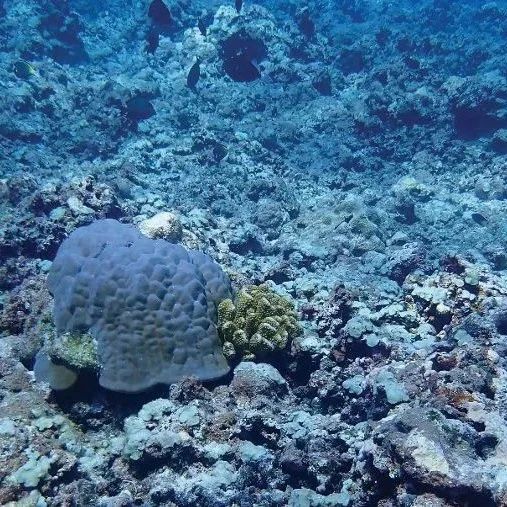
珊瑚礁生态系统

Search documents
气候资讯|1月全球前沿气候科学研究&极端天气气候事件
Xin Lang Cai Jing· 2026-01-24 01:05
Group 1: Global Temperature Trends - The World Meteorological Organization confirmed that 2025 continued the trend of record-high global temperatures, with 2026 likely to remain at elevated levels [1] - The Copernicus Climate Change Service reported that 2025 was the third hottest year on record, with a three-year average global temperature exceeding pre-industrial levels by over 1.5 degrees Celsius for the first time [11] - The long-term global warming level is estimated to be approximately 1.4 degrees Celsius higher than pre-industrial levels [11] Group 2: Extreme Weather Events - The northern hemisphere is experiencing extreme weather, including severe snowstorms in Russia's Kamchatka Peninsula and the northeastern United States, as well as cold waves in Europe and heavy snowfall in Japan [1][5][7] - Australia faced a heatwave in early January 2026, with temperatures exceeding 40 degrees Celsius, leading to wildfires and power supply issues [13][15] - Continuous heavy rainfall in southern Africa has resulted in hundreds of deaths and significant flooding in Mozambique, South Africa, and Zimbabwe [21][22] Group 3: Ocean and Climate Impact - The global ocean's upper 2000 meters of heat content reached a record high for the ninth consecutive year, indicating a clear trend of ocean warming [19] - The warming oceans are affecting marine ecosystems and human societies, contributing to lower dissolved oxygen levels and increasing risks of marine heatwaves and coral bleaching [19] - The melting of the Greenland ice sheet may lead to regional sea level declines around Greenland due to land rebound, presenting new challenges for local infrastructure and food security [24] Group 4: Coral Reefs and Microbial Dynamics - Research indicates that coral reefs influence the composition and activity of surrounding microbial communities, shaping energy and nutrient flows in marine ecosystems [15] Group 5: Climate Research Initiatives - A new project named "Ice Memory" aims to store alpine ice core samples in Antarctica for future research, preserving historical climate data and the impact of human activities on climate [26][28]


3523.67公顷生境:黄岩岛国家级自然保护区状况首次披露
Xin Hua She· 2025-12-29 14:16
Core Insights - The establishment of the Huangyan Island National Nature Reserve aims to protect the coral reef ecosystem and rare wildlife, with a total area of 3,523.67 hectares [1][2] - The report reveals that the reserve contains 85 species of reef-building corals, accounting for 63.0% of the total species on the island, with an average coverage rate of 38.8% [1] - The reserve is home to 88 species of reef fish, representing 48.3% of the island's total fish species, with an average density of 134 individuals per 100 square meters [1] Summary by Categories Coral Reef Ecosystem - The reserve includes 8 families and 25 genera of reef-building corals, with dominant forms being massive and branching corals [1] - The highest coral coverage rate recorded in the reserve is 55.1% [1] Wildlife Protection - The area serves as a habitat for various endangered species, including two national first-class protected species: the green sea turtle and the hawksbill turtle [1] - There are 92 species of national second-class protected wildlife, including 85 species of reef-building corals and other notable species like the giant clam [1] Reserve Management - The reserve was established in September 2023, focusing on the northeastern region with the highest coral diversity and coverage, implementing strict management to mitigate human impact [2]
权威报告发布:黄岩岛珊瑚礁生态系统状况总体良好
Zheng Quan Shi Bao Wang· 2025-12-29 07:02
Core Viewpoint - The ecological status of the coral reef system at Huangyan Island is generally good, with significant biodiversity and coverage, but faces threats from human activities and climate change [1][2]. Group 1: Ecological Assessment - The coral reef ecosystem at Huangyan Island includes 135 species of reef-building corals from 36 genera across 13 families, with a high average coverage rate of 38.8% within the national nature reserve [1]. - The area also supports a rich diversity of reef fish and large benthic invertebrates, along with seagrass meadows covering approximately 1.85 square kilometers [1]. - The nature reserve is crucial for the breeding habitats of 94 species of nationally protected wildlife, including green sea turtles and various types of clams and conchs [1]. Group 2: Threats and Challenges - Historical military activities in the 1960s and 1970s, such as bombing training, have caused damage to the coral reefs [1]. - Recent illegal fishing and frequent incursions by foreign entities pose significant threats to the health of the Huangyan Island ecosystem [1]. - Global climate change, including abnormal sea surface temperature increases and tropical cyclones, has exerted stress on the coral reef ecosystem, alongside risks from outbreaks of crown-of-thorns starfish [2]. Group 3: Conservation Efforts - The establishment of the Huangyan Island national nature reserve has led to strict protection management and necessary ecological restoration efforts, which are expected to help maintain and enhance the diversity, stability, and sustainability of the coral reef ecosystem [2].
(中文版全文)《黄岩岛珊瑚礁生态调查报告》
Xin Lang Cai Jing· 2025-12-29 04:48
Core Viewpoint - The ecological status of the coral reef ecosystem at Huangyan Island is generally good, but it faces significant threats from climate change, illegal activities, and natural disasters [8][10][60]. Group 1: Ecological Status - The coral reef ecosystem at Huangyan Island is home to 135 species of reef-building corals, with an average coverage rate of 38.8% in the national nature reserve [8][41]. - The area has a rich diversity of marine life, including 182 species of reef fish and various large benthic invertebrates, indicating a healthy ecosystem [32][43]. - The seagrass beds in the northern part of the lagoon cover approximately 1.85 square kilometers, contributing to the ecosystem's health by providing habitat and stabilizing the seabed [38][41]. Group 2: Threats to the Ecosystem - Rising sea surface temperatures due to global climate change pose a significant threat, leading to coral bleaching and mortality, with a recorded coral mortality rate of 3.0% in one year [46][50]. - The outbreak of crown-of-thorns starfish has been identified as a major factor damaging coral reefs, with evidence of their presence in the western and southern areas of Huangyan Island [48][50]. - Illegal fishing activities by the Philippines and other nations have severely impacted the ecological health of Huangyan Island, with numerous incidents of illegal incursions reported [54][55]. Group 3: Conservation Efforts - The establishment of the Huangyan Island National Nature Reserve in September 2025 aims to protect the most diverse and highest coverage areas of reef-building corals [60]. - Strict management and necessary ecological restoration efforts are being implemented to maintain and enhance the diversity, stability, and sustainability of the coral reef ecosystem [60].
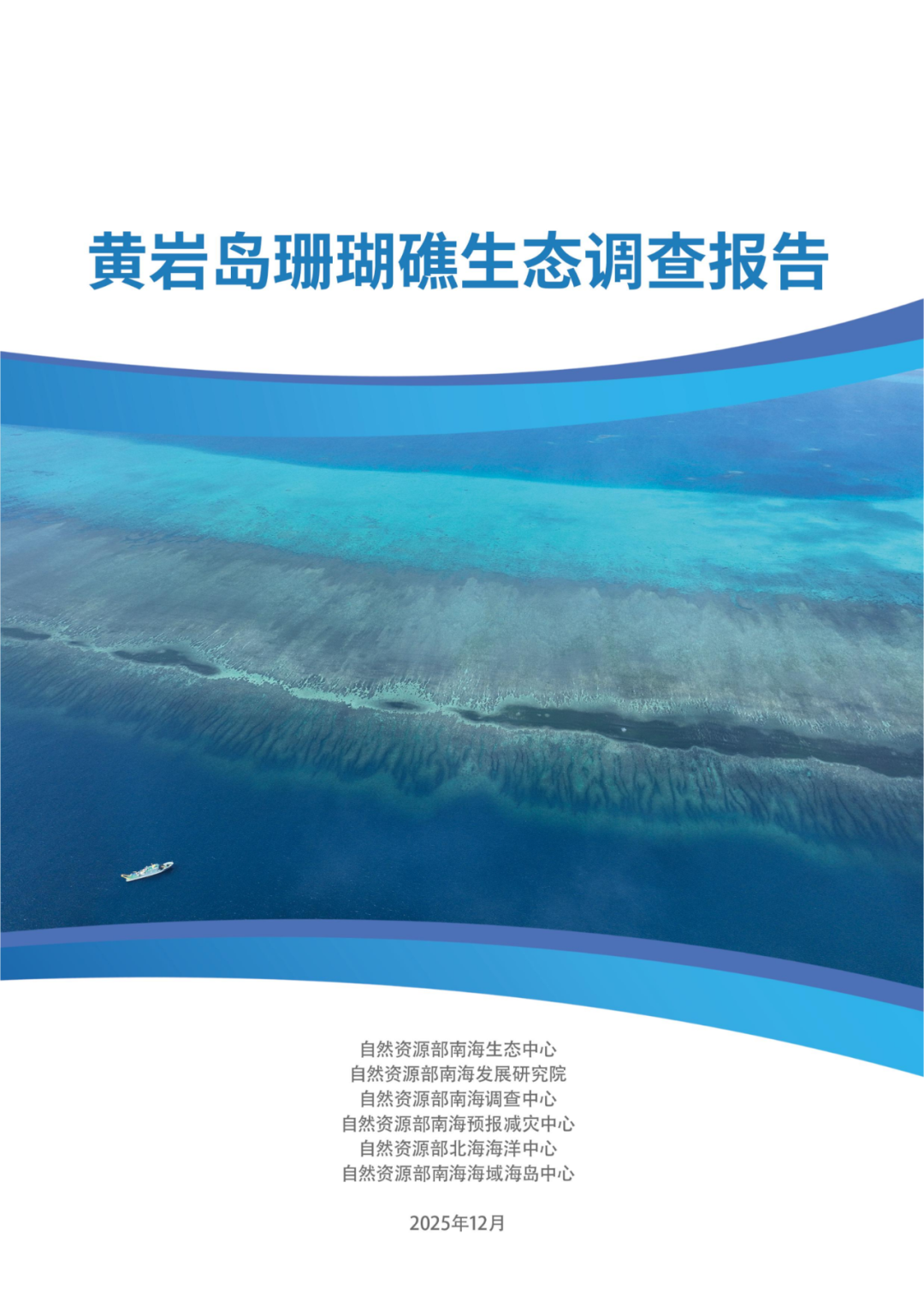
黄岩岛海域具有重要生态价值资源价值科研价值——专家谈《2025年黄岩岛海域生态环境状况调查评估报告》
Zhong Guo Huan Jing Bao· 2025-12-01 00:39
Core Viewpoint - The ecological environment of the Huangyan Island sea area is being systematically assessed, revealing a stable and diverse natural ecosystem that requires ongoing protection and research efforts [1][4]. Group 1: Investigation Characteristics - The 2025 investigation emphasizes three aspects: increased systematization and specificity, scientific rigor and advancement, and integration of multi-source data [2][3]. - Compared to the previous year, the investigation has expanded its focus to include new ecological elements such as seagrass and giant clams, with a 50% increase in coral reef survey points and a sample collection volume that is 2.9 times larger than last year [2][3]. Group 2: Ecological Findings - The investigation found that the environmental quality of the Huangyan Island sea area remains excellent, with water and sediment quality classified as Grade I [3][6]. - Coral reef ecosystems are healthy and stable, with an average coral cover of 29.8%, and a significant increase in coral species recorded compared to 2024 [6][7]. - The biodiversity of the area is rich, with 134 species of reef-building corals and 145 species of reef fish documented, indicating a thriving ecosystem [5][6]. Group 3: Conservation Efforts - China has established a national nature reserve for Huangyan Island, emphasizing strict ecological protection and regulatory enforcement to safeguard the area's biodiversity [12][13]. - Continuous scientific research and monitoring are being conducted to understand the resilience of coral reefs to climate change and to implement targeted conservation measures [11][13].
黄岩岛海域生态环境质量持续为优
Ren Min Ri Bao Hai Wai Ban· 2025-11-28 21:27
Core Insights - The ecological environment of the Huangyan Island waters continues to be rated as excellent, with seawater and marine sediment quality maintaining a first-class level, and pollutants in fish samples below evaluation standards [1][2] - The coral reef ecosystem is healthy and stable, with a recorded increase in coral species and a high average coverage of live coral at 29.8%, indicating resilience to rising sea temperatures [1][2] Group 1 - The report indicates that the Huangyan Island marine environment quality remains excellent, with seawater and sediment quality classified as first-class [1] - Heavy metals and petroleum hydrocarbons in fish samples are below the evaluation standard limits, and cyanide was not detected in seawater, sediment, or fish samples [1] - The coral reef ecosystem shows a significant increase in biodiversity, with 134 species of reef-building corals recorded, 25 more than in 2024, and a high average live coral coverage [1] Group 2 - The report emphasizes the importance of Huangyan Island's natural ecosystem for providing habitat and shelter for marine life in the South China Sea, as well as its role in monitoring global climate change and environmental evolution [2] - However, the report also warns of increasing thermal stress on coral reefs due to climate change, highlighting the potential risk of coral bleaching [2]
生态环境部:黄岩岛珊瑚礁物种新增25种 海域环境质量持续为优
Zhong Guo Jing Ji Wang· 2025-11-28 09:48
Core Insights - The ecological environment of the Huangyan Island sea area is reported to be continuously excellent, with water quality and marine sediment quality maintaining a first-class rating, and pollutant residues in fish samples below evaluation standards [1][2] Group 1: Environmental Quality Assessment - The report indicates that the Huangyan Island sea area has a stable and healthy coral reef ecosystem, with 134 species of reef-building corals recorded, an increase of 25 species compared to 2024 [2] - The average coverage of live corals is reported at 29.8%, with a high replenishment rate of coral juveniles, demonstrating good resistance and tolerance to rising sea temperatures [2] - The biodiversity of reef-associated organisms is rich, with 145 species of reef fish recorded, an increase of 20 species from the previous survey [2] Group 2: Ecological Risks and Pressures - Despite the positive assessment, the report highlights that the coral reefs face increasing thermal stress due to climate change, and the potential risk of coral bleaching should not be overlooked [2] - The natural ecosystem's diversity, stability, and sustainability are deemed beneficial for marine life in the South China Sea, serving as an important habitat and refuge [2]
《2025年黄岩岛海域生态环境状况调查评估报告》发布
Yang Shi Wang· 2025-11-28 06:03
Core Insights - The report titled "2025 Ecological Environment Status Assessment of Huangyan Island Waters" indicates that the environmental quality of Huangyan Island waters remains excellent, with water quality and marine sediment quality classified as first-class [1][2] Group 1: Environmental Quality - The assessment shows that heavy metals and petroleum hydrocarbons in fish samples are below evaluation standard limits, and cyanide was not detected in water, sediment, or fish samples [1] - The average coverage of live coral is reported at 29.8%, with a high replenishment rate of coral juveniles, indicating resilience to rising sea temperatures [2] Group 2: Coral Reef Ecosystem - The coral reef ecosystem is healthy and stable, with 134 species of reef-building corals recorded, an increase of 25 species compared to the 2024 survey [2] - Biodiversity is rich, with 145 species of reef fish recorded, an increase of 20 species from the previous year, and no signs of coral disease or significant predatory species [2] Group 3: Ecological Significance and Risks - Huangyan Island's natural ecosystem is noted for its diversity, stability, and sustainability, providing crucial habitats for marine life and serving as an important indicator of global climate change and environmental evolution [2] - However, the report warns that the coral reefs face increasing thermal stress due to climate change, and the potential risk of coral bleaching should not be overlooked [2]
调查报告公布!菲方在铁线礁海域非法捕捞,现场发现菲方人为弃置物
新京报· 2025-04-25 04:06
Core Viewpoint - The report provides a comprehensive assessment of the coral reef ecosystems at Tiexian Reef and Niuhuo Reef, highlighting significant degradation in the Tiexian Reef's coral coverage while indicating that the ecosystem health of Niuhuo Reef remains relatively good. The report also refutes claims made by the Philippines regarding artificial land reclamation and coral debris dumping by China, stating these claims lack scientific basis [1][4][9]. Group 1: Ecosystem Assessment - The Tiexian Reef and Niuhuo Reef are part of China's Nansha Islands, with the Tiexian Reef's area measuring approximately 14 km in length and 7 km in width, while Niuhuo Reef measures about 7 km by 6 km [3]. - From 2016 to 2024, the coral coverage at Tiexian Reef decreased by approximately 68.9%, while Niuhuo Reef experienced a 12.2% decline in coral coverage during the same period [3][4]. - The investigation revealed a rich diversity of fish species, with Tiexian Reef hosting 144 species and Niuhuo Reef 133 species, representing 26.0% and 24.0% of the recorded coral reef fish species in the Nansha Islands, respectively [4]. Group 2: Human Impact and Environmental Factors - Illegal fishing activities by foreign vessels, particularly from the Philippines, and the presence of discarded materials were found to exert pressure on the coral reef ecosystems [9]. - The report highlights that ongoing construction activities on Zhongye Island by the Philippines have severely impacted China's territorial sovereignty and contributed to ecological degradation in the surrounding areas [9]. - The presence of natural sandbanks at both reefs, which are formed by coral debris, is confirmed to be a natural geographical phenomenon rather than a result of human activity [10]. Group 3: Causes of Coral Degradation - The primary cause of severe degradation in the Tiexian Reef's coral ecosystem is identified as outbreaks of the crown-of-thorns starfish, which preferentially feed on branching corals [12][14]. - Seasonal thermal stress and human activities, including construction and pollution, are also significant factors affecting the health of the coral ecosystems [15]. - The report emphasizes the need for ongoing research and protective measures to mitigate the impacts of human activities and environmental changes on coral reef ecosystems [15].