
冰雪运动安全

Search documents
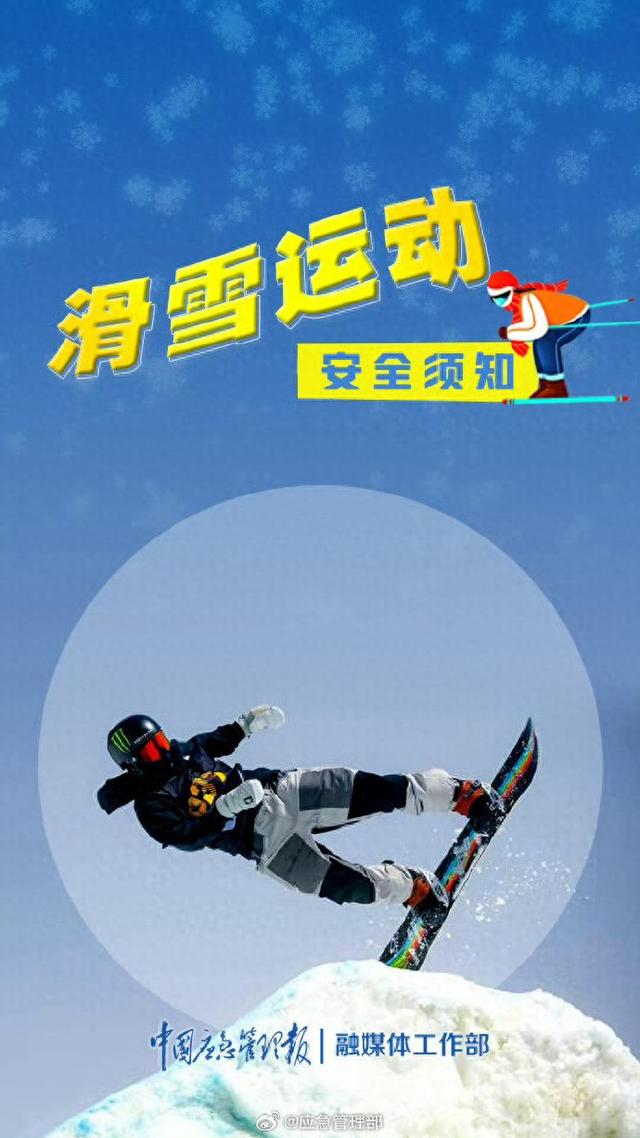
冰雪运动安全指南来了
Xin Lang Cai Jing· 2026-02-01 11:05
Group 1 - The popularity of ice and snow sports is increasing, making them a new choice for winter outings [1] - There is a need to ensure safety while participating in these activities to avoid injuries [1] Group 2 - It is important to monitor weather conditions and choose appropriate times for outdoor activities, avoiding severe weather like strong winds and heavy snow [6] - Selecting ski resorts with complete protective and rescue facilities is crucial, and individuals should avoid skiing alone in risky areas such as woods, steep slopes, and deep valleys [10] - Familiarizing oneself with the layout of the ski area, including rescue facilities, and adhering to safety management regulations is essential [11] - Skiers should assess their own skill levels and choose suitable slopes based on the height and gradient of the trails [13]

冰雪季“上分”指南!你的安全知识才是顶级装备
Yang Shi Xin Wen· 2025-12-20 01:33
Core Viewpoint - The article emphasizes the importance of safety knowledge and precautions for winter sports, particularly skiing and ice skating, as the winter season begins and participation in these activities increases. Group 1: Skiing Safety Guidelines - Skiing is a high-risk sport, and following rules and protective measures is crucial [1] - Choose a reputable ski resort with complete facilities and avoid undeveloped areas [2] - Proper equipment is essential, including well-fitted skis, boots, and helmets; helmets are critical for safety [4] - Beginners should start on easier slopes and progress gradually without challenging advanced trails [5] - Adhere to skiing "traffic rules," such as yielding to skiers below and controlling speed according to ability and snow conditions [6] - Maintain a safe distance from others, trees, and safety barriers [7] - Learn how to fall safely to minimize injury risks, such as avoiding wrist injuries during falls [9][10] Group 2: Ice Skating Safety Guidelines - Ice skating is popular but carries risks; choose managed ice rinks and avoid natural ice surfaces [12] - Wear well-fitting skates with tight laces for ankle support; beginners should wear protective gear like helmets and pads [13] - Stay alert to the movements of other skaters and avoid stopping in the center of the rink [15] Group 3: Winter Outdoor Activity First Aid - Knowledge of first aid for winter injuries is essential, including treatment for snow blindness, frostbite, and hypothermia [17][18][19]
