减排脱碳

Search documents
全球体系下的本地化合作:进博会航空业大单频现|聚焦2025进博会
Hua Xia Shi Bao· 2025-11-09 04:53
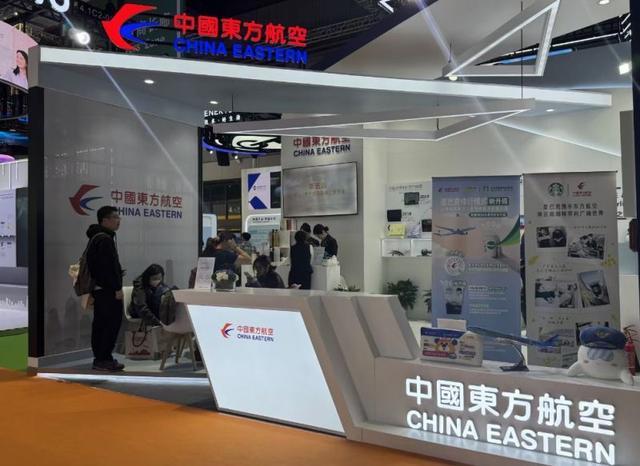
Core Insights - The civil aviation industry is experiencing a strong recovery driven by local market growth and globalization, despite challenges from the pandemic, de-globalization trends, and geopolitical conflicts [2] - The China International Import Expo (CIIE) serves as a platform for Chinese aviation companies to establish partnerships and sign procurement agreements with global partners, enhancing cooperation within the industry [2] Cooperation and Agreements - During the 8th CIIE, the aviation sector emerged as a major player, with Shanghai P&W signing a procurement order exceeding $100 million for V2500 engine parts with IAE, marking the first deal of the expo [3] - China Eastern Airlines (CEA) signed 19 procurement agreements with suppliers from 9 countries, totaling $1.211 billion, focusing on high-tech products essential for aviation operations [4] - Honeywell announced a partnership with CEA for material procurement and maintenance, emphasizing the importance of timely material reserves for fleet operations [4][5] - Airbus secured a deal with China Southern Airlines to install the HBCplus in-flight connectivity system on 30 A350 aircraft, marking a significant step in enhancing service offerings in the Chinese market [5][6] Market Trends and Projections - The global aviation service market in China is projected to surpass North America and Europe, growing from $23 billion in 2024 to $61 billion by 2043 [6] - GE Aviation signed multiple agreements during the expo, with total orders nearing $2.1 billion, reflecting strong demand for aviation services and components [6] Industry Challenges - The aviation industry faces ongoing supply chain crises, which are expected to impact operations for several years, leading to increased costs and extended use of older aircraft [8][9] - The International Air Transport Association (IATA) highlighted that supply chain bottlenecks are delaying the production of new aircraft and parts, necessitating a reevaluation of fleet plans by airlines [8] - The rising costs and supply chain challenges are limiting airlines' ability to meet growing passenger demand, with a projected 10.4% increase in demand for 2024 [8][9] Strategic Responses - Companies are focusing on enhancing operational efficiency and reducing costs to improve performance amidst ongoing challenges [9] - Airbus's support services are crucial for operators, providing comprehensive material support and logistics services to enhance operational efficiency [9] - GE Aviation is increasing investment in its Suzhou facility to boost production capabilities, with an investment of $8.5 million planned for 2024-2025 [10]





入华四十年市占率过半,空客称中国民航巨大增长潜力待发掘
Hua Xia Shi Bao· 2025-06-28 11:19
Core Insights - The article highlights the revival of the Airbus A310 aircraft, which has been in a dormant state for nearly 20 years, and its transformation into an educational landmark in China, marking a significant milestone in the history of civil aviation in the country [1] Group 1: Airbus's Historical Impact in China - The A310 aircraft, delivered to China in 1985, represents the first wide-body twin-engine aircraft in Chinese civil aviation and the first aircraft delivered by Airbus to a Chinese customer [1] - Over the past 40 years, Airbus has evolved from merely selling aircraft to engaging in comprehensive collaboration with Chinese partners across the entire lifecycle of aircraft, including design, manufacturing, operation support, and recycling [2][3] Group 2: Supply Chain and Manufacturing Collaboration - Airbus has established around 200 suppliers in China, integrating the entire supply chain from raw materials to system assembly, with an annual industrial cooperation value exceeding $1 billion [3] - The Airbus A320 assembly line in Tianjin, operational since 2008, has delivered over 750 A320 series aircraft and has expanded to include wide-body aircraft assembly capabilities [3] Group 3: Future Growth Potential - China is projected to become the largest single-country aviation market globally, with a forecasted demand for 9,570 new aircraft over the next 20 years, accounting for nearly a quarter of global demand [7] - The number of Airbus aircraft in China's civil aviation fleet exceeds 2,200, representing over 50% of the total fleet, highlighting the significant market presence of Airbus [6][8] - The establishment of a second A320 assembly line in Tianjin is underway, expected to double production capacity and cater to both domestic and international airlines [9]