学前教育专业

Search documents
多校幼师专业大幅缩招,去年幼儿园教师减少超24万
第一财经· 2025-12-19 10:37
Core Viewpoint - The article discusses the significant impact of declining birth rates on the early childhood education sector in China, particularly focusing on the reduction in the number of kindergartens and qualified teachers [3][4]. Group 1: Changes in Early Childhood Education - The number of full-time kindergarten teachers in China decreased by 241,800 from 2022 to 2024, dropping from 3,244,200 to 2,831,900, marking a total decline of 412,300 over two years [4]. - The total number of kindergartens in China has also seen a continuous decline since 2022, with a reduction of 5,610 kindergartens in 2022 (1.9% decrease) and 14,808 in 2023 (5.12% decrease), resulting in a total loss of 41,569 kindergartens over three years [4]. Group 2: Future Trends and Adjustments - Despite the ongoing decline in birth rates, the rate of decrease is expected to slow down, with a projected increase of 520,000 in the birth population for 2024 compared to 2023, which may stabilize the number of kindergarten teachers and kindergartens in the future [5]. - Several teacher training colleges are adapting to these changes, with institutions like Hengyang Preschool Normal College establishing new departments to align with industry needs, such as setting up a Measurement and Automation Department to support advanced manufacturing [5][6]. Group 3: Institutional Responses - Ningbo Preschool Normal College has reduced its enrollment for five-year and three-year preschool education programs, aiming to eliminate the five-year program within three years and cut the three-year program enrollment by half, while also expanding into related fields like infant care and early education [6][7]. - Hunan Preschool Normal College is focusing on transforming its educational approach by developing new programs that cater to the entire lifecycle of child education and care, emphasizing the integration of digital transformation and industry needs [7].

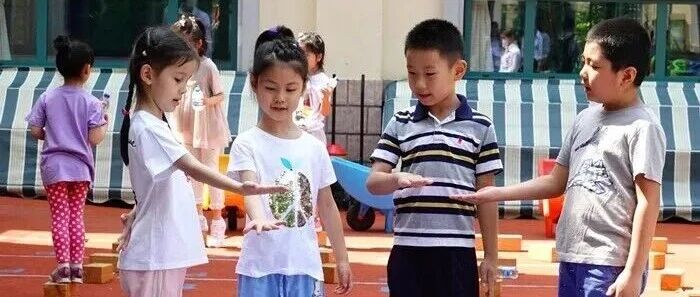
幼师专业大幅缩招,去年幼儿园教师减少超24万
Di Yi Cai Jing· 2025-12-19 10:21
Group 1 - The number of kindergarten teachers in China has decreased by 241,800 in 2024, marking a continuous decline for two years, from 3,244,200 in 2022 to 2,831,900 in 2024, a reduction of 412,300 teachers [1] - The number of kindergartens in China has also seen a decline, with a total of 289,200 kindergartens in 2022, decreasing by 5,610, a drop of 1.9%, and further declining to 274,400 in 2023, a decrease of 14,808, or 5.12% [1] - The trend of decreasing kindergarten teachers and kindergartens is expected to slow down, as the decline in birth rates is showing signs of easing, with an increase of 520,000 births in 2024 compared to 2023 [2] Group 2 - Several teacher training colleges are accelerating their transformation in response to the declining demand for kindergarten teachers, with institutions like Hengyang Preschool Normal College establishing new departments to align with industry needs [2] - The Hengyang Preschool Normal College has initiated a transformation plan that includes establishing a metrology and automation department, aiming to train high-quality technical talents for the advanced manufacturing industry [3] - Ningbo Preschool Normal College has reduced its enrollment for five-year and three-year preschool education programs, aiming to phase out the former within three years and cut the latter by half, while expanding into related fields such as infant care and early education [3][4]
幼儿师专在生存冲击中探索转型
Zhong Guo Qing Nian Bao· 2025-09-22 07:22
Core Insights - The education landscape is undergoing significant changes due to declining birth rates, leading to a reduction in the number of kindergartens and early childhood education teachers in China [2][18] - Institutions focused on early childhood education are facing severe enrollment challenges and are compelled to transform their programs to survive [3][12] Group 1: Declining Enrollment and Institutional Challenges - By the end of 2024, the total number of kindergartens in China is projected to decrease from 274,400 in 2023 to 253,300 [2] - The number of full-time early childhood education teachers has also declined from over 3.24 million in 2022 to approximately 2.83 million in 2024 [2] - In Hunan province, the number of newborns in 2024 is expected to hit a record low of 386,000, exacerbating competition among the six local early childhood education colleges [2][3] Group 2: Institutional Responses and Transformations - Hunan's educational authorities have proposed a plan to merge and optimize several teacher training colleges, including early childhood education institutions, to adapt to the changing landscape [3] - Some colleges, like Changsha Preschool Education College, have proactively reduced the proportion of teacher training students to 30% and diversified their programs to include non-teaching fields [5][12] - Ningbo Preschool Education College has cut its enrollment in early childhood education by 255 students and is shifting focus towards integrated childcare services for children aged 0-6 [8][12] Group 3: New Educational Models and Trends - The trend of integrating childcare and education services is gaining traction, with cities like Hangzhou and Shanghai implementing models that combine early childhood education with elder care [6][8] - Institutions are increasingly offering programs in areas such as infant care management, nutrition, and arts therapy to meet the evolving needs of society [6][12] - The establishment of international partnerships and the introduction of foreign language courses are also being pursued by some colleges to enhance their educational offerings [14]
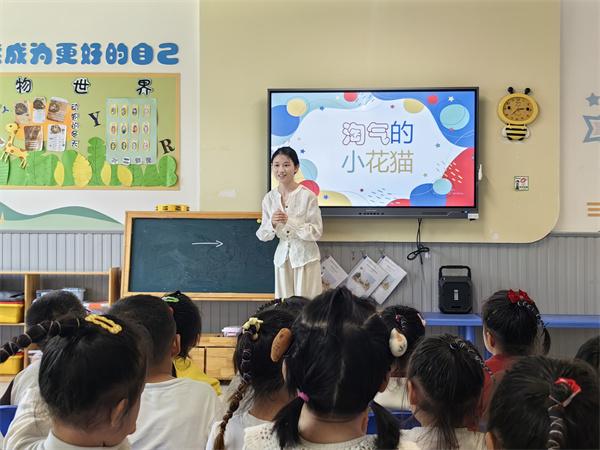
幼儿园关停潮下,学前教育“大撤退”
3 6 Ke· 2025-08-14 10:52
Core Insights - The early childhood education sector is facing significant challenges, including a decline in job opportunities and a drop in enrollment in related academic programs [2][4][31] - The number of kindergartens in China has decreased, leading to a structural crisis in early childhood education, with many graduates unable to find relevant employment [3][21][31] - The employment rate for early childhood education graduates has plummeted, with some institutions reporting a drop from 75.76% to 48% in job placement rates [13][15] Group 1: Employment Challenges - Graduates from early childhood education programs are struggling to find jobs, with many resorting to unrelated fields such as real estate and sales [1][4] - The average salary for early childhood educators is low, with many positions offering less than 2000 yuan per month in economically disadvantaged areas [20][24] - The job placement rate for early childhood education graduates has significantly declined, with some universities reporting rates as low as 48% [13][15][17] Group 2: Decline in Educational Institutions - Many universities are experiencing difficulties in recruiting students for early childhood education programs, leading to a situation where some programs are unable to fill their quotas [2][25][31] - The number of kindergartens has decreased by over 21,000 in the past year, exacerbating the employment crisis for graduates [3][21] - Some institutions are seeking to transition away from early childhood education programs due to low demand and poor job prospects [31][33][35] Group 3: Future Outlook - The early childhood education sector is being classified as a "yellow card" profession, indicating a need for significant reform and adjustment in educational offerings [31] - There is a trend among teacher training colleges to pivot towards more in-demand fields such as engineering and technology, reflecting a broader shift in educational focus [33][34][35] - The demand for early childhood education positions is projected to decline further, with a 43% decrease in available job postings anticipated by 2025 [19][20]