分时养生

Search documents
食品消费需求升级倒逼行业转型,食品制造业从供给侧激活消费新动能
Jing Ji Wang· 2025-12-29 09:16
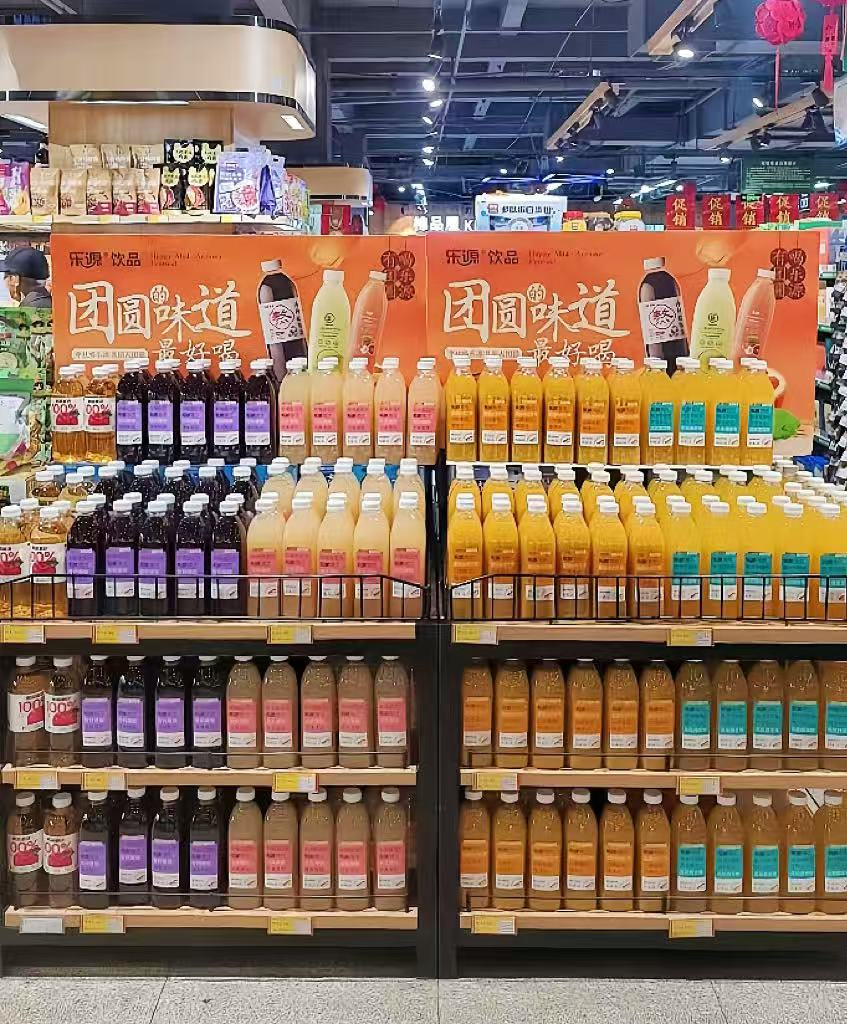
Core Insights - The food industry is experiencing a wave of group label standards aimed at addressing misleading labeling practices such as "100% pure" and "0 additives" [1] - The introduction of multiple group standards is driven by consumer demand for transparency and clean labels, leading to an industry transformation [3][4] Group 1: Industry Standards and Consumer Demand - The release of the "General Requirements for Clean Label Foods" and other standards marks a significant increase in group standards in the food industry since early 2025, with 12 standards introduced [4] - These standards focus on promoting a new ecosystem in food manufacturing characterized by "less additives, traceability, and transparency" [4] - Consumer interest in ingredient lists has evolved from brand recognition to a demand for transparency across the entire supply chain [4] Group 2: Product Innovation and Market Trends - The trend of "health claims turning into scientific quantification" indicates that consumers are seeking precise nutrition and scientific formulations rather than vague claims of "no additives" [4] - Companies like Leyuan Health are shifting their product positioning from "tasty" to "healthy," targeting young female consumers aged 18-35 who prioritize self-care [4][5] - The popularity of keywords like "clean label" and "clean ingredient list" has surged on platforms like Xiaohongshu, reflecting changing consumer priorities [5] Group 3: Technological Advancements in Food Manufacturing - Food manufacturers are responding to changing consumer demands through innovations in production processes, such as HPP (High-Pressure Processing) and fermentation technology [6] - Leyuan Health has achieved innovation in "low sugar without compromising nutrition" by employing advanced sterilization and filling techniques that preserve the freshness of fruits and vegetables [8] - The company has established flexible production capabilities, allowing for small-batch, multi-flavor production to quickly adapt to market changes [9] Group 4: Strategic Collaborations and R&D - Leyuan Health has formed a strategic partnership with the Chinese Academy of Agricultural Sciences to shift product innovation from experience-driven to data-driven approaches [10] - The integration of modern technology in product development has led to the creation of unique offerings, such as the "Double Pomelo Juice," which addresses specific consumer preferences [11] - The company is also exploring new product lines, such as tomato beverages, to meet modern taste preferences while retaining nutritional value [11] Group 5: Future Competitive Landscape - The future of competition in the food industry is expected to shift from resource-based competition to supply chain and consumer insight competition [11] - As consumer standards for food quality continue to rise, the focus of competition will transition from marketing battles to technological advancements and value-based competition [11]

2025年第27周:食品饮料行业周度市场观察
艾瑞咨询· 2025-07-07 02:16
Group 1: Pet-Friendly Restaurants - The rise of pet-friendly restaurants addresses the challenge of dining with pets, creating social spaces for pet owners [2] - These restaurants focus on hygiene, safety, and enhancing the overall dining experience while respecting all customers' needs [2] - The development of pet-friendly dining reflects a shift in the restaurant industry towards a more humanistic approach [2] Group 2: Beverage Industry Trends - The beverage industry is witnessing a shift towards "new demands, new products, and new channels," with consumers prioritizing value, emotional satisfaction, and health [3] - The cold beverage market is stabilizing, with low-sugar and no-sugar options becoming standard, and the no-sugar beverage market growing at a compound annual growth rate of 38.69% [5] - The energy drink market in China is expanding rapidly, with a market size of approximately 147.1 billion yuan in 2023, driven by health-conscious consumers [12] Group 3: Innovative Beverage Concepts - The "AI+" tea drink trend is gaining popularity among young consumers, with AI technology enhancing personalized beverage offerings [7] - The "light health" trend is driving the growth of the low-alcohol liquor market, with predictions of reaching 650 billion yuan by 2025 [6] - The vitamin water market is projected to reach around 20 billion yuan by 2025, with brands focusing on targeted nutritional supplements for young consumers [14] Group 4: Market Dynamics and Competition - The competition in the carbonated beverage market is intensifying, with Sprite surpassing Pepsi in market share by appealing to Gen Z's low-sugar preferences [8] - The bakery market is being reshaped by supermarkets leveraging efficient supply chains and high-margin products, while specialized bakeries must differentiate themselves [10] - The entry of major players into the coconut water market is indicative of the growing demand for healthy beverage alternatives, with IFBH Limited achieving significant market share [23] Group 5: Strategic Developments in Companies - Baidu Dairy is attempting to go public, focusing on the niche water buffalo milk market, which faces challenges such as low production capacity and high costs [18] - Dongpeng Beverage is planning to expand into international markets while addressing its rising short-term debt [19] - The expansion of the Green Tea Restaurant chain aims to establish itself as a leading Chinese dining brand through standardized operations and market penetration [24]