分辨率

Search documents
手机、电视的分辨率越来越高,人类的眼睛需要吗?
3 6 Ke· 2026-01-04 09:23
Core Viewpoint - The competition in resolution among digital devices continues, with mobile manufacturers still pushing for higher resolutions, while television manufacturers may not need to follow suit as closely due to viewing distance considerations [1][9]. Group 1: Resolution and Human Perception - The concept of "retina display" was introduced by Apple with the iPhone 4, featuring a pixel density of 326 pixels per inch (ppi), which exceeds the human eye's limit of 300 ppi at a distance of 10 to 12 inches [2][5]. - The critical measure for human visual clarity is pixels per degree (ppd), which considers viewing distance; the previously accepted limit was 60 ppd, forming the basis for the 300 ppi standard [4][5]. - Recent research indicates that the human eye can discern higher resolutions than previously thought, with limits reaching 94 ppd for black and white patterns and 89 ppd for red-green patterns [6][8]. Group 2: Implications for Device Manufacturers - The study suggests that not all devices require continuous resolution increases; for instance, 8K televisions only show advantages at viewing distances less than 1.3 times the screen height, making them less necessary for typical viewing scenarios [9]. - In contrast, mobile devices still have room for improvement in resolution, as the effective resolution of upcoming devices like the 13-inch iPad Pro is still below the human eye's limits at common viewing distances [9][10]. - The concept of "eccentric rendering" is proposed, where high resolution is maintained in the center of the screen while reducing it at the edges, which can optimize processing load and bandwidth consumption [11].



90nm只是起点!国产光刻机核心部件拆解与技术详解
材料汇· 2025-08-14 13:21
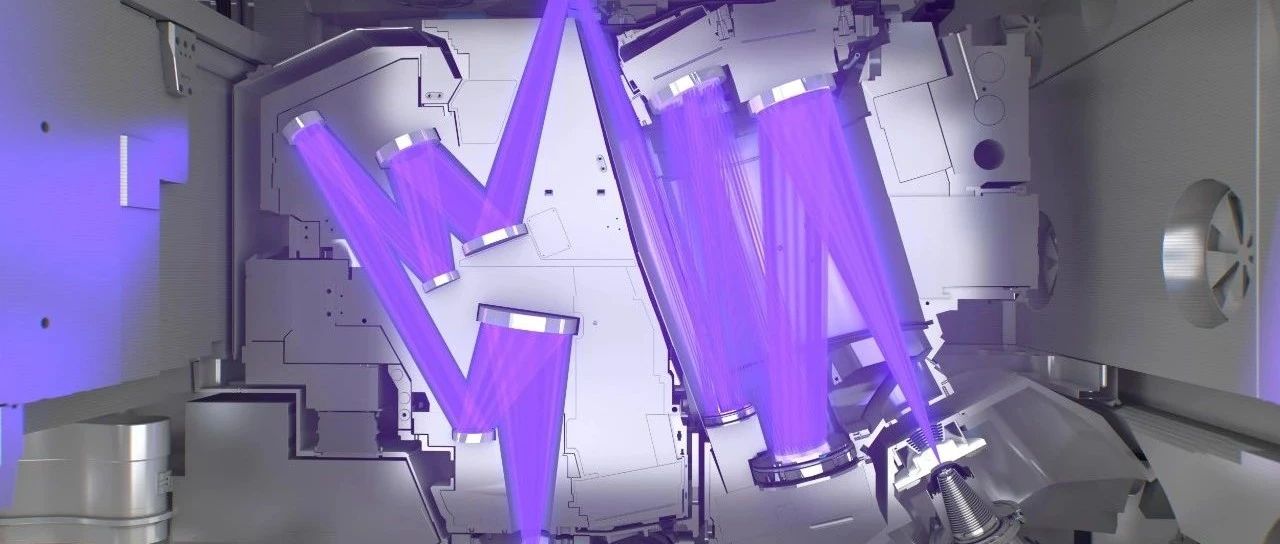
Core Insights - The report addresses key issues regarding the types and principles of core components in lithography machines, the market potential, ASML's industry collaboration model, and the current status and recommendations for domestic lithography machine components [1]. Investment Logic - Lithography machines are essential for chip manufacturing, directly influencing the miniaturization of chips. Key performance indicators include resolution, depth of focus, overlay accuracy, and yield. The global lithography machine market is projected to reach $29.37 billion by 2025, with specific segments such as illumination and optics, light sources, and stages having estimated market sizes of $4.78 billion, $2.86 billion, and $2.15 billion respectively [2]. - The EUV lithography machine market is expected to reach $9.6 billion by 2025, with its core components also showing significant market potential [2]. ASML's Success Factors - ASML's success is attributed to technological innovation and industry collaboration, with key partners including Zeiss, Cymer, Gigaphoton, and TRUMPF. The company has a global supply chain that enhances its competitive edge [3]. Core Components and Market Barriers - The core components of lithography machines, such as light sources, optics, and stages, represent significant barriers to entry in the industry. The complexity of manufacturing these components contributes to the competitive landscape [2][3]. - The report emphasizes the importance of domestic supply chains in China, particularly in light sources, optics, and stages, which are expected to benefit from government support [3]. Key Indicators of Lithography Machines - The report outlines critical indicators for lithography machines, including resolution, overlay accuracy, yield, and depth of focus. The resolution is determined by the Rayleigh formula, and advancements in technology are necessary to improve these metrics [11][14][36]. - The depth of focus is crucial for accommodating wafer surface irregularities, and improvements in immersion lithography technology have enhanced both resolution and depth of focus [34]. Core Component Analysis - The report details the main components of lithography machines, including light sources, illumination systems, optics, and stages. The collaboration among these components is essential for achieving high imaging quality [42][46]. - The light source is identified as a key factor influencing resolution, with various types of light sources being utilized over the years, including mercury lamps and excimer lasers [52][55]. Conclusion - The lithography machine industry is characterized by high technical barriers and significant market potential, particularly in the context of domestic supply chain development in China. The focus on core components and technological advancements will be critical for future growth and competitiveness in the semiconductor manufacturing sector [3][42].

十万零件筑就的工业明珠!中国光刻机突围战打响
材料汇· 2025-07-26 15:45
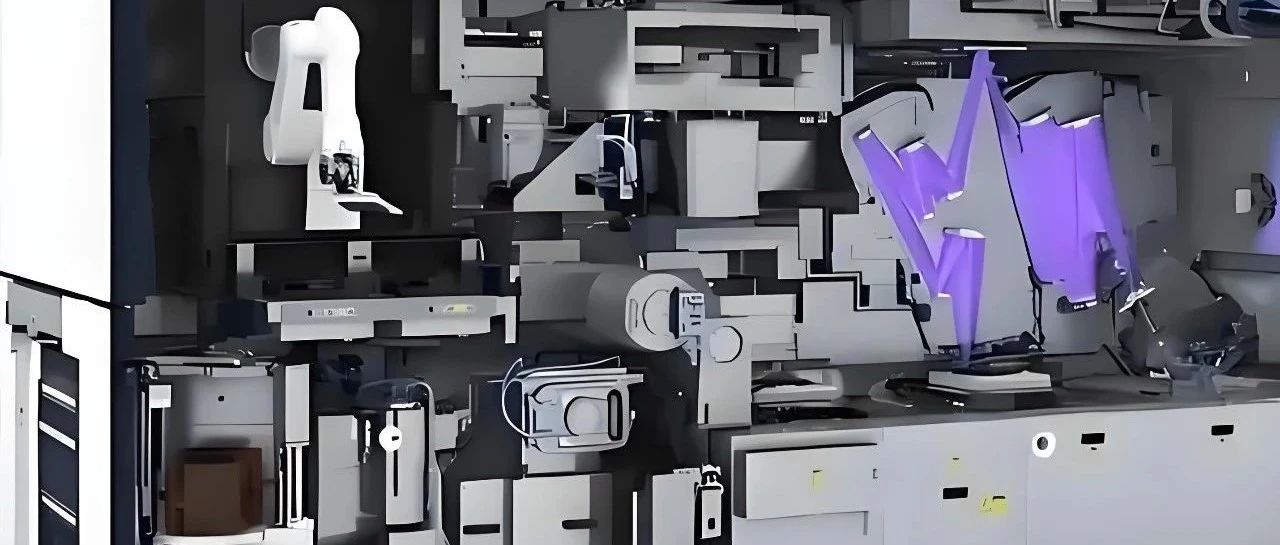
Core Viewpoint - The article emphasizes the critical role of lithography machines in semiconductor manufacturing, highlighting their technological evolution and the importance of resolution, which is the ultimate goal in the development of lithography technology [2][8]. Group 1: Lithography Technology - Lithography is a key technology in wafer manufacturing, with lithography machines being the most valuable and technically challenging equipment in the process [8]. - The core of lithography technology involves transferring chip design patterns onto silicon wafers through a process that includes exposure, development, and cleaning [9]. Group 2: Resolution as a Key Indicator - Resolution is defined as the minimum feature size that can be clearly projected onto a wafer, influenced by factors such as light wavelength, numerical aperture (NA), and process factor (k1) [15][25]. - The evolution of lithography has seen a significant reduction in light source wavelengths, with the current extreme ultraviolet (EUV) light source at 13.5nm being the most advanced [35][36]. Group 3: Key Components of Lithography Machines - Lithography machines consist of three core systems: the light source system, optical system, and workpiece stage system [63]. - The light source system provides the energy for exposure, with the most advanced sources being EUV, which require high precision in control [67][68]. - The optical system is responsible for light propagation and aberration correction, utilizing complex lens assemblies to achieve high precision [63][64]. Group 4: Historical Development of Lithography Leaders - The lithography machine industry has seen a shift in leadership through three main eras, with ASML currently dominating the advanced lithography market due to its technological advancements [4][5]. - The transition from early American companies to Japanese firms, and now to ASML, illustrates the impact of technological breakthroughs and government support on industry leadership [4][5]. Group 5: Domestic Lithography Development - China's lithography machine industry has made significant progress since the implementation of the "02 Special Project" in 2006, although it still lags behind international standards [6]. - Domestic manufacturers like Shanghai Micro Electronics have made strides in the mid-to-low-end market, but face challenges in high-end lithography machine production [6].