创意农业

Search documents
推动农耕文明和现代文明有机融合交相辉映
Xin Lang Cai Jing· 2026-02-04 22:38
Core Viewpoint - The integration of traditional agricultural civilization and modern urban culture in Chengdu Plain is highlighted, showcasing the region's rich agricultural heritage and its evolution into a modern economic hub [1][10]. Agricultural Development - Chengdu Plain's agricultural practices are characterized by a highly developed irrigation system and a focus on rice cultivation, with the Dujiangyan irrigation system being a key historical achievement [2][4]. - The agricultural landscape has evolved over centuries, with significant changes during the Ming and Qing dynasties, including the introduction of high-yield crops and a two-crop system that enhanced land productivity [3]. Cultural Heritage - The "Linpan" settlement pattern, a unique agricultural community structure, reflects the integration of natural conditions and agricultural needs, forming a semi-natural, semi-artificial ecosystem [6][8]. - Linpan culture has historical roots dating back to the Qing Dynasty, evolving through the influence of immigration and local agricultural practices [7][8]. Modernization and Challenges - Since the establishment of the People's Republic of China, agricultural modernization has progressed, with mechanization and the introduction of high-yield varieties contributing to increased food production [4][10]. - The rapid urbanization and industrialization in Chengdu pose challenges to traditional agricultural landscapes, leading to the disappearance of some Linpan settlements [10]. Cultural Preservation Efforts - Recent initiatives by the Sichuan provincial and Chengdu municipal governments focus on the preservation and promotion of agricultural cultural heritage as part of rural revitalization and cultural confidence [11][12]. - Educational programs incorporating agricultural culture into school curricula aim to foster respect for land and agricultural labor among students [13]. Economic Significance - Chengdu Plain is a vital economic area, contributing significantly to the province's GDP and housing a majority of its population and high-tech industries [10].
徐剑波:把握农业全链建设关键点
Jing Ji Ri Bao· 2025-12-26 00:03
Core Viewpoint - The development of the agricultural full industry chain in China has significantly improved agricultural comprehensive benefits and competitiveness, transitioning from production-focused to a more integrated approach that emphasizes the entire chain, industry, and system [1] Group 1: Agricultural Full Industry Chain Development - The agricultural full industry chain integrates production, processing, and sales, breaking the traditional segmentation of agricultural processes and achieving a transformation from "production-product-link" to "chain-industry-system" [1] - Major agricultural developed countries view the construction of efficient, high-value full industry chains as a core competitive advantage in modern agriculture [1] Group 2: Challenges and Solutions - China faces issues such as short, weak, and missing links in the agricultural industry chain, characterized by low added value, low technology transfer rates, and inadequate agricultural social service systems [2] - To address these challenges, the focus should be on extending, supplementing, and strengthening the agricultural industry chain, promoting integrated development across upstream and downstream sectors [2][3] Group 3: Key Strategies for Improvement - Extending the chain involves enhancing agricultural product processing technology, improving the integration of production, processing, and sales, and promoting new business models such as e-commerce and health agriculture [2] - Supplementing the chain requires strengthening agricultural technology innovation, improving market and logistics infrastructure, and fostering diverse service entities [3] - Strengthening the chain includes cultivating leading agricultural enterprises, innovating benefit-sharing mechanisms, and promoting orderly land management and financing [3] Group 4: Value Enhancement and Digital Transformation - Enhancing industry value involves establishing a high-quality development standard system for agriculture, promoting digital transformation through new technologies, and implementing brand enhancement strategies [4] - The goal is to create a traceable system from farm to table, improving product quality and competitiveness [4]
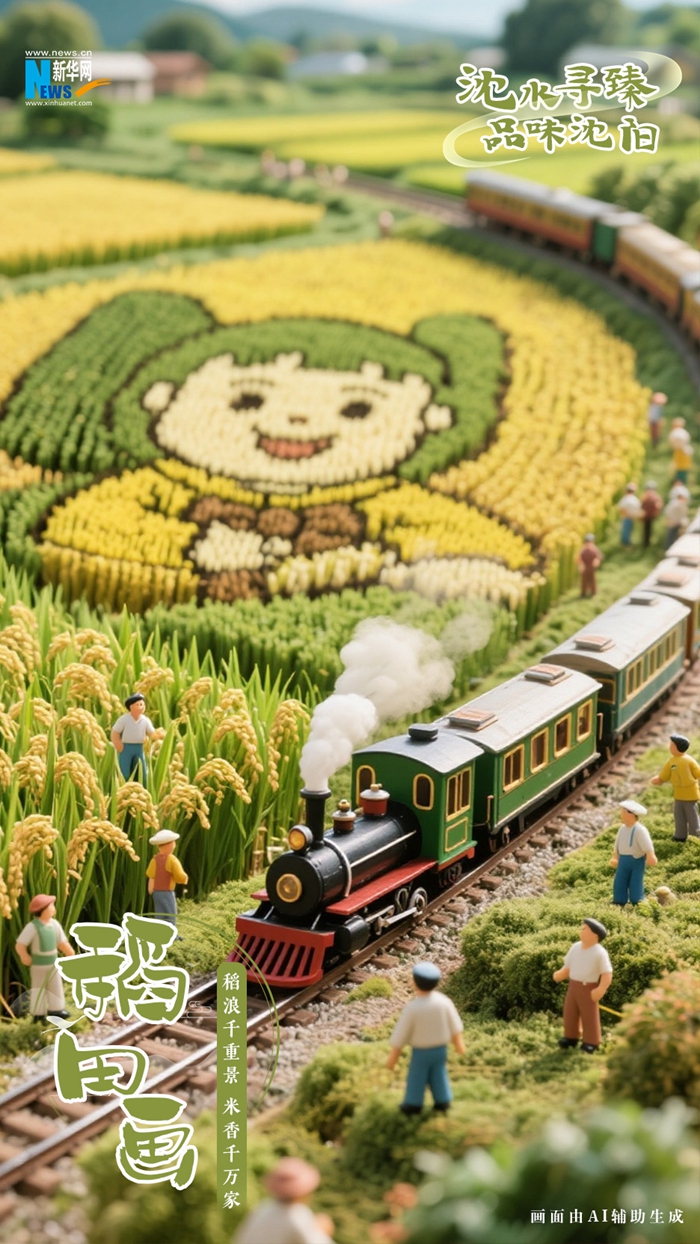
沈水寻臻 品味沈阳丨稻田画:稻浪千重景 米香千万家
Xin Hua Wang· 2025-10-24 01:12
Core Viewpoint - Shenyang is focusing on becoming a leading modern agricultural development area and a strong agricultural city, aiming to enhance its food industry through high-quality development of its unique agricultural sectors, which include edible fungi, facility vegetables, soybeans, and more [3] Group 1: Agricultural Development Goals - Shenyang is committed to building a strong agricultural city and a major food industry hub, with a focus on high-quality development of its "1+8" agricultural specialty industries [3] - The city is integrating resources from various districts to promote the rice paddy painting industry, combining creative agriculture, rice culture, and rural tourism [3] Group 2: Economic Impact and Tourism - The "Rice Dream Space" has become a popular tourist destination, attracting hundreds of thousands of visitors annually and turning Shenyang rice into a trending food product [3] - The development strategy of "Rice Dream Space" is being replicated across the region, enhancing the local economy through agricultural production, cultural experiences, and scenic tourism [3]