
农业全产业链

Search documents
卓豪农业让小辣椒成为“致富椒”
Xin Lang Cai Jing· 2026-02-24 22:23
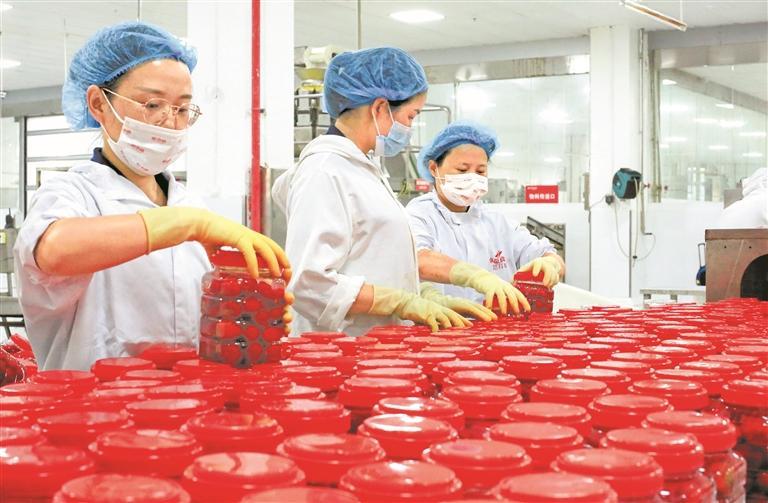
Core Insights - Guizhou Zhuohao Agricultural Technology (Group) Co., Ltd. has resumed operations and is actively fulfilling orders from regions such as Henan, Sichuan, and Chongqing, with a focus on timely delivery [2] - The company has established a complete industrial chain, with a breeding base that supports local farmers in selecting quality pepper varieties, ensuring a solid foundation for planting [2] - The company’s flagship product, "Zhuojiao No. 8," dominates 80% of the planting area in the local market, showcasing superior disease resistance and fruit-setting rates compared to conventional varieties [2] Production and Sales Performance - The company has developed a low-salt, zero-additive technology that addresses traditional issues of high salt content and short shelf life in pepper products, making them more appealing to health-conscious consumers [3] - In the previous year, the company produced 100,000 tons of various pepper products, achieving sales exceeding 50 million yuan, and supporting 20,000 farmers in cultivating peppers over 100,000 acres, with an average annual income increase of 16,000 yuan per household [3] - As of January this year, the company has already produced over 20,000 tons of products, generating sales of more than 10 million yuan [3]

中国之声一线调研丨科技小院让科研成果种得出、卖得好 全链条助力农民增产增收
Yang Guang Wang· 2026-01-09 03:38
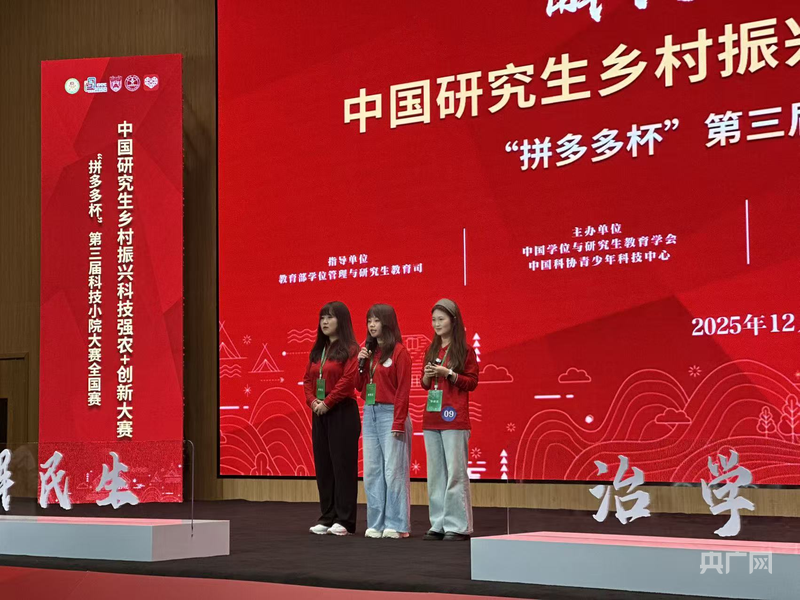
Core Insights - The article highlights the innovative approach of the Liu Zhuang Technology Courtyard in promoting agricultural development and rural revitalization through the integration of technology and entrepreneurship [1][8] - The students from China Agricultural University successfully created a value chain by transforming high-quality wheat into bread, addressing the issue of low prices for quality wheat [1][7] Group 1: Technology and Innovation - The Liu Zhuang Technology Courtyard focuses on extending the agricultural industry chain rather than just teaching farmers how to grow crops [1][3] - The team identified that simply increasing wheat production does not guarantee higher farmer income, emphasizing the importance of value addition through product development [3][4] - The initiative has led to the creation of a brand and a final product, which is essential for enhancing the value of agricultural outputs [4][8] Group 2: Market Strategy and Sales - The students transitioned from traditional farming practices to actively engaging in business, successfully launching "Technology Courtyard Bread" on e-commerce platforms [6][7] - They sold over 3,000 bags of high-quality flour and more than 20,000 pieces of bread, achieving significant sales success on platforms like Pinduoduo [7] - The project has created multiple part-time job opportunities for local villagers, contributing to community employment [7] Group 3: Future Plans and Sustainability - The team plans to continue developing new products and improve packaging to enhance market appeal, aiming for a product launch before the upcoming Chinese New Year [7][8] - The long-term goal is to better organize farmers to produce compliant grain products, ensuring a sustainable and profitable agricultural ecosystem [8][10] - The initiative is seen as a model for modernizing agriculture in China, with a focus on connecting production to consumer needs through innovative marketing strategies [10]
徐剑波:把握农业全链建设关键点
Jing Ji Ri Bao· 2025-12-26 00:03
Core Viewpoint - The development of the agricultural full industry chain in China has significantly improved agricultural comprehensive benefits and competitiveness, transitioning from production-focused to a more integrated approach that emphasizes the entire chain, industry, and system [1] Group 1: Agricultural Full Industry Chain Development - The agricultural full industry chain integrates production, processing, and sales, breaking the traditional segmentation of agricultural processes and achieving a transformation from "production-product-link" to "chain-industry-system" [1] - Major agricultural developed countries view the construction of efficient, high-value full industry chains as a core competitive advantage in modern agriculture [1] Group 2: Challenges and Solutions - China faces issues such as short, weak, and missing links in the agricultural industry chain, characterized by low added value, low technology transfer rates, and inadequate agricultural social service systems [2] - To address these challenges, the focus should be on extending, supplementing, and strengthening the agricultural industry chain, promoting integrated development across upstream and downstream sectors [2][3] Group 3: Key Strategies for Improvement - Extending the chain involves enhancing agricultural product processing technology, improving the integration of production, processing, and sales, and promoting new business models such as e-commerce and health agriculture [2] - Supplementing the chain requires strengthening agricultural technology innovation, improving market and logistics infrastructure, and fostering diverse service entities [3] - Strengthening the chain includes cultivating leading agricultural enterprises, innovating benefit-sharing mechanisms, and promoting orderly land management and financing [3] Group 4: Value Enhancement and Digital Transformation - Enhancing industry value involves establishing a high-quality development standard system for agriculture, promoting digital transformation through new technologies, and implementing brand enhancement strategies [4] - The goal is to create a traceable system from farm to table, improving product quality and competitiveness [4]
把握农业全链建设关键点
Jing Ji Ri Bao· 2025-12-25 22:04
Core Viewpoint - The development of the agricultural whole industry chain in China has made significant progress this year, transitioning from focusing on production to focusing on the entire chain, enhancing agricultural comprehensive benefits and competitiveness [1][2]. Group 1: Agricultural Whole Industry Chain Development - The agricultural whole industry chain integrates production, processing, and sales, and combines agriculture with culture and tourism, forming an organic whole with systemic, integrative, and high value-added characteristics [1]. - Major agricultural developed countries view the construction of efficient, high value-added whole industry chains as a core competitive advantage in modern agriculture [1]. Group 2: Challenges and Solutions - China faces issues such as short chains, weak links, and low added value in the agricultural industry, including low conversion rates of scientific achievements and an underdeveloped agricultural social service system [2][3]. - To address these challenges, it is essential to focus on extending, supplementing, and strengthening the agricultural chain, promoting collaborative efforts to solve development problems [2]. Group 3: Strategies for Chain Extension - Strengthening the research and development of agricultural product processing technologies and promoting integrated development of production, processing, and sales are key strategies [2]. - The integration of agriculture with tourism, culture, education, and health is encouraged, along with the development of new business models such as e-commerce and AI agriculture [2]. Group 4: Chain Supplementation - Emphasis on agricultural technology innovation and breaking through key technologies in areas like biological breeding and agricultural machinery is crucial [3]. - Building a robust circulation network, including cold chain logistics and storage facilities, is necessary to address the "first mile" and "last mile" challenges [3]. Group 5: Chain Strengthening - Cultivating leading agricultural enterprises and creating a new development pattern involving key enterprises, leading companies, and chain leaders is essential [3]. - Innovative mechanisms for benefit sharing and promoting smallholder participation in modern agriculture are important for enhancing the overall agricultural ecosystem [3]. Group 6: Value Enhancement and Digital Transformation - Establishing a high-quality development standard system for agriculture and promoting the digital transformation of the entire agricultural chain using advanced technologies like big data and AI is vital [4]. - Implementing a brand enhancement strategy and creating a multi-level product matrix will help improve product quality and value [4].
新疆农业全产业链项目投资实现新突破
Sou Hu Cai Jing· 2025-12-10 03:33
Group 1 - The "National Leading Enterprises Entering Xinjiang: Hotan Investment Matching Event" successfully took place, with 88 representatives from agricultural enterprises across 22 provinces engaging with 104 local agricultural processing companies to explore new development opportunities in Xinjiang's agricultural industry [1] - The event showcased high-quality agricultural products from Hotan, including lamb products, facility vegetables, and ecological aquatic products, highlighting the region's agricultural resource advantages [1] - A total of 212 investment cooperation projects were announced during the event, leading to the signing of 55 investment cooperation projects with a total value of 6.745 billion yuan [1] Group 2 - The 20th Central Committee of the Communist Party emphasized enhancing agricultural production capacity and quality, promoting rural development, and improving policies to benefit farmers [2] - Industrial revitalization is crucial for comprehensive rural revitalization, particularly in Xinjiang, where developing deep processing of agricultural products is essential for increasing farmers' income and establishing a high-quality agricultural product supply base [2] Group 3 - The Xinjiang government has prioritized the development of the agricultural processing industry, implementing various financial support policies to facilitate the transition from production-led to processing-led agriculture [3] - In the first three quarters of this year, investment in Xinjiang's agricultural processing industry and agricultural value chain projects reached 60.2 billion yuan, surpassing last year's total investment and laying a solid foundation for stable income growth for farmers [3]
“泰州粮”连续八年单产全省第一的密码
Xin Hua Ri Bao· 2025-10-30 23:33
Core Insights - The article highlights the advancements in modern agriculture in Taizhou, focusing on the integration of technology and the development of a comprehensive agricultural industry chain to enhance food production and quality [1][3][10] Group 1: Agricultural Production and Technology - Taizhou has achieved a grain yield of 7490 kg per hectare, maintaining the highest yield in the province for eight consecutive years, contributing significantly to food security [1] - The region is transitioning from traditional farming methods to smart farming, utilizing advanced machinery such as drones for fertilization and pest control, which has increased efficiency by approximately 30 times [2][3] - The agricultural technology contribution rate exceeds 71%, with a comprehensive mechanization rate of over 86% for crop farming, indicating a strong push towards agricultural modernization [3][9] Group 2: Agricultural Industry Chain Development - Taizhou is developing a health food industry cluster that includes specialized medical foods, leisure foods, and pre-prepared dishes, with an agricultural industry chain output exceeding 160 billion yuan [1][11] - The city has established three national modern agricultural industrial parks and is home to eight national-level agricultural leading enterprises, with annual investments in major agricultural projects around 9 billion yuan [1][11] - The integration of agricultural production and processing is emphasized, with the rice industry capable of processing 2000 tons of rice bran daily, producing high-value products such as rice oil and wax [12] Group 3: Support for New Farmers - The "New Farmer" initiative aims to cultivate 100 leading figures and 1200 new farmers by 2027, focusing on training and support to enhance agricultural productivity [4] - Agricultural service alliances are being formed to provide comprehensive support to farmers, reducing costs and improving efficiency through shared resources and services [5][7] Group 4: Soil and Land Management - High-standard farmland construction is a priority, with a completion rate of 81.6% for high-standard farmland, which enhances soil quality and agricultural productivity [9] - The local government is actively involved in soil health assessments and improvement strategies, ensuring sustainable agricultural practices [8][9]
泰兴现代农业产业园区: 订单农业+精深加工 打通农业全产业链
Yang Zi Wan Bao Wang· 2025-10-17 08:09
Core Insights - The article emphasizes the importance of transforming agricultural products into profitable industries through modern agricultural practices and collaboration with local farmers [1][3]. Group 1: Company Overview - Jiangsu Chaoyue Agriculture is a wholly-owned subsidiary of Jiangsu Lujiangnan Food Co., Ltd., and serves as the largest supply chain base for the "Lujiangnan" brand [3]. - The first phase of the project involved an investment of 210 million yuan, with an annual production capacity of 20,000 tons of marinated food [3]. - The second phase, which was launched last year with an investment of 258 million yuan, aims to enhance the company's development capabilities and drive local agricultural growth [3]. Group 2: Agricultural Collaboration - The company engages in contract farming, collaborating with local specialized planting cooperatives, and has established a procurement agreement for 35 tons of peanut raw materials [3]. - The CEO of Jiangsu Chaoyue Agriculture highlighted that processing primary agricultural products into market-ready goods extends the value chain and provides farmers with stable orders, reducing their sales and loss concerns [3]. Group 3: Market Position and Strategy - The company aims to leverage the advantages of agricultural raw materials and industrial processing technologies to achieve a synergistic relationship between agriculture and industry [5]. - Jiangsu Chaoyue Agriculture ranks among the top five nationally in its niche market and second in the East China region, focusing on fresh and healthy food production [5]. - The company promotes a clean label approach, minimizing processing steps and additives to maintain the original flavor and ensure nutritional value [5]. Group 4: Economic Impact - In the first half of the year, the Tai Xing Modern Agricultural Industrial Park achieved industrial sales of 4.214 billion yuan and generated tax revenue of 122 million yuan [7]. - The park has initiated eight projects, with five of them exceeding one billion yuan, contributing to rural income growth and shared prosperity [8].
一个单品搭起全链条,一年卖出两亿斤的“南瓜密码”
Qi Lu Wan Bao Wang· 2025-09-23 03:35
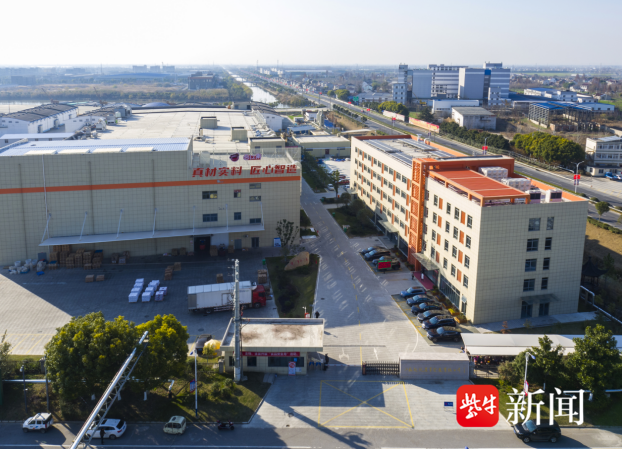
Core Insights - The company has established a robust supply chain for the distribution of its "Beibei" pumpkins, ensuring a steady supply to both domestic and international markets [1][2][6] - Daily sales volume has reached 70,000 jin (approximately 35 tons), with a significant portion of the produce being exported to countries such as Malaysia, Russia, and Kazakhstan [2][4] - The company emphasizes quality control and rapid turnover to minimize losses, with a logistics strategy that allows for quick processing from harvest to delivery [3][5] Group 1: Operational Efficiency - The company operates a distribution center that processes 30,000 jin (approximately 15 tons) daily, with the total sales volume reaching 70,000 jin when including the parent company [2] - Quality grading is a strict requirement, with specific standards for packaging and pricing, ensuring that only the best products reach consumers [2][4] - The logistics process is designed to minimize storage time, with a target of 3 to 4 days from harvest to warehouse, and same-day dispatch for orders [3] Group 2: Market Expansion - The company has expanded its market reach significantly, with exports constituting a notable portion of its sales, particularly to Taiwan, which accounts for 10% of total sales [2][4] - The establishment of a full supply chain from seed selection to sales has allowed the company to maintain control over quality and production standards [5][6] - The company leverages local agricultural advantages and technology to enhance its competitive edge in the market [6][7] Group 3: Strategic Development - The company was founded to address past challenges in selling produce, aiming to create a platform that connects farmers with broader markets [4] - A comprehensive approach to agriculture, including seed development and technical support for farmers, has been implemented to ensure consistent quality and yield [5] - The company’s operational model is supported by a network of bases across various regions, ensuring a steady supply of high-quality pumpkins [4][5]
辣椒地里的援疆故事:广东企业带动种植户亩均利润达两千
Nan Fang Du Shi Bao· 2025-09-19 13:57
Core Insights - Newland Biotechnology Co., Ltd. has established a supply agreement with local farmers, ensuring a market for their chili pepper harvests [1] - The company has been operating in Tumushuke since 2016, leveraging the region's unique climate for chili cultivation [1] - The company is expanding its operations with a second-phase construction plan to enhance processing capabilities [2] Company Overview - Newland Biotechnology Co., Ltd. focuses on the entire chili pepper industry chain, including seedling cultivation, planting, and processing [2] - The company has seen revenue growth from over 50 million to 70 million in 2023 [2] - The company currently supports 175 local farmers, with an average profit of 2,000 yuan per mu [2] Agricultural Insights - The chili planting area for the company is approximately 13,000 acres, with a dry chili yield of 500 kg per acre [1] - Local farmer Liang Linhai has improved his chili production over the years, achieving a profit of 2,800 yuan per acre in 2024 [1]
“链”出新气象!肇庆高要五大特色产业迈向“新味来”
Nan Fang Nong Cun Bao· 2025-09-19 09:04
Core Viewpoint - The article highlights the development of five key agricultural industries in Zhaoqing's Gaoyao District, focusing on the integration of modern agricultural practices and the establishment of a comprehensive agricultural industry chain to boost local economic growth and improve farmers' incomes [8][9][10]. Group 1: Key Agricultural Industries - The five distinctive industries include high-quality shrimp, ducks, geese, and cinnamon, which are pivotal in driving local economic development and enhancing the livelihoods of farmers [9][10]. - The annual output value of the high-quality shrimp industry is projected to exceed 70 billion yuan, with farmers earning an average annual income of over 200,000 yuan [15][16][36]. - The high-quality duck industry aims to produce 1 billion ducks, with an expected annual output value surpassing 55 billion yuan [60][66]. Group 2: Agricultural Practices and Innovations - Gaoyao has adopted an ecological model for shrimp farming, integrating cinnamon into the feed to enhance shrimp health and reduce disease, which has led to a significant increase in survival rates and reduced farming cycles [24][26]. - The district has established a digital platform for the entire shrimp industry chain, improving market access and efficiency in sales [27][29]. - The rice cultivation area spans over 498,000 acres, with an average yield of 882 pounds per acre, making it a crucial rice-producing region in the Pearl River Delta [38][54]. Group 3: Economic Impact and Future Goals - The comprehensive output value of the high-quality goose industry has reached 51.6 billion yuan, with plans to enhance processing and distribution capabilities [73][76]. - The cinnamon industry occupies 20% of the national planting area and accounts for over 50% of the country's cinnamon exports, generating significant foreign exchange earnings [90][92]. - Future projections indicate that the combined output value of the high-quality goose and duck industries will continue to grow, with targets set for 2025 and beyond [66][80].
