智慧农业

Search documents
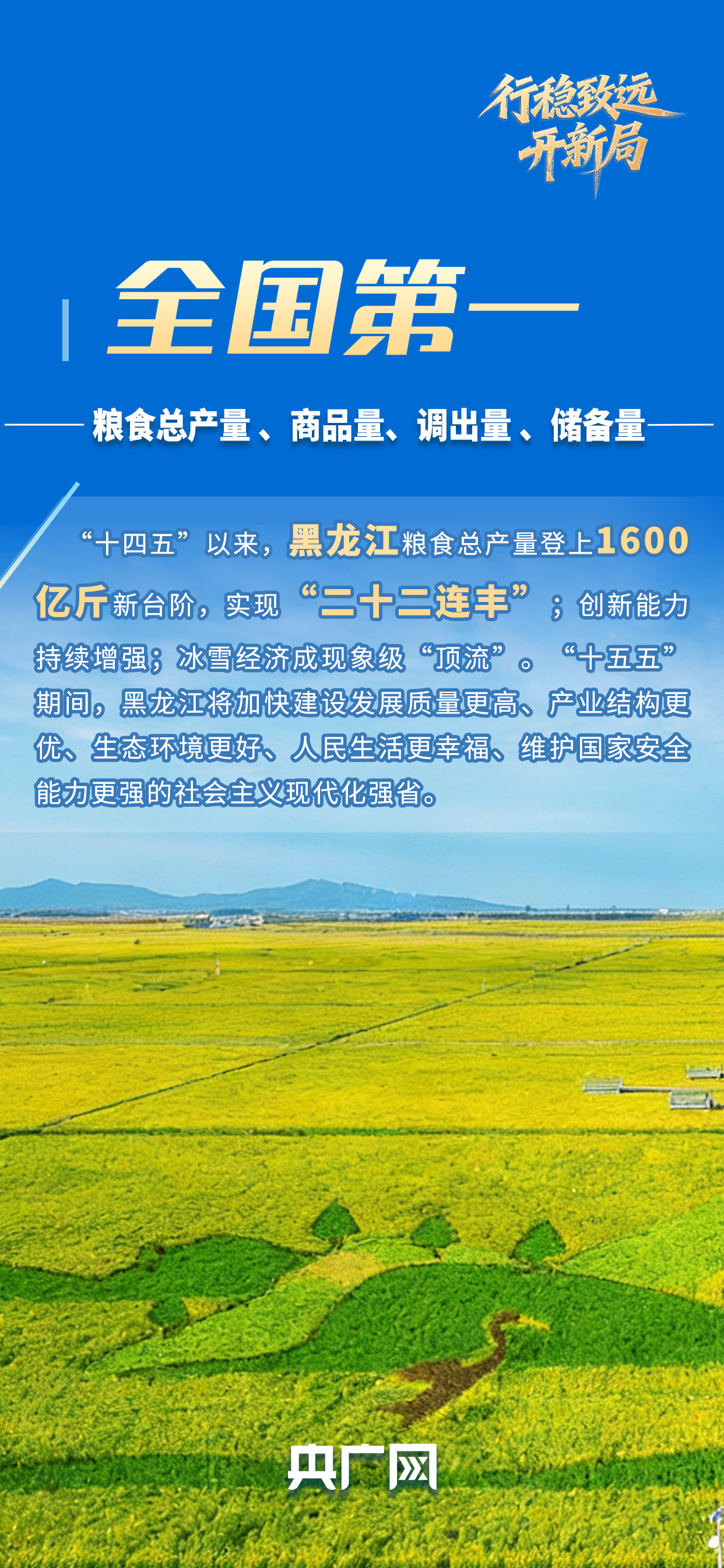
真正把蓝莓价格打下来的,是它
虎嗅APP· 2026-03-28 14:05
Core Viewpoint - The article discusses the decline in the price and status of blueberries in China, particularly in Yunnan, where increased production has led to a significant drop in prices, transforming blueberries from a "middle-class fruit" into a more accessible commodity [4][8][25]. Group 1: Price Decline and Market Dynamics - Blueberry prices have plummeted, with half a kilogram in Shenzhen dropping from nearly 30 yuan to 19.9 yuan, and in Yunnan, prices are as low as 60 yuan for two kilograms [4][8]. - As of 2024, China has become the world's largest blueberry producer, with a planting area of 1.4382 million acres and an annual output of 780,000 tons, marking a 197% increase in production since 2020 [8][29]. - The oversupply of blueberries has diminished their perceived scarcity, leading to a market where they are sold by the bucket rather than in premium packaging [8][12]. Group 2: Agricultural Practices and Quality Concerns - The majority of blueberries in Yunnan are grown using advanced agricultural techniques, such as facility cultivation and nutrient soil, resulting in yields exceeding 2,000 kg per acre, more than double traditional methods [11][21]. - Despite high production, there are concerns about the quality of blueberries, with reports of farmers using growth regulators that affect taste, leading to a decline in consumer satisfaction [14][21]. - The article highlights a potential crisis in quality similar to that experienced by the "sunshine rose" grapes, where increased production has led to a loss of flavor and consumer trust [18][23]. Group 3: Consumer Behavior and Market Perception - The shift in blueberry pricing reflects a broader trend of devaluing "middle-class fruits," where the symbolic value associated with these fruits diminishes as they become more widely available [25][28]. - Consumers are increasingly aware of the quality differences, with many expressing disappointment in the taste of cheaper blueberries compared to their more expensive counterparts [14][21]. - The article suggests that the market is moving towards a model where consumers prioritize taste and quality over the status associated with premium pricing [23][29]. Group 4: Economic Impact and Employment - The blueberry industry in Yunnan has created over 150,000 jobs, with cooperative farmers earning an average annual income of over 350,000 yuan, indicating a positive economic impact despite the price decline [29][30]. - The shift towards more accessible pricing has allowed a broader segment of the population to enjoy fruits that were once considered luxury items, contributing to local economic growth [29][31].

【财闻联播】药明康德2025年业绩出炉!中国银行:加强贵金属市场风险防范
券商中国· 2026-03-23 13:00
Macro Dynamics - The second meeting of the upgraded China-Europe export control dialogue mechanism was held in Beijing, focusing on deep and constructive communication regarding export control concerns, with an agreement to maintain communication to stabilize and smooth the China-Europe industrial and supply chains [2] Market Data - On March 23, the A-share market saw significant declines, with the Shanghai Composite Index dropping by 3.63%, the Shenzhen Component Index by 3.76%, and the ChiNext Index by 3.49%. The coal sector performed well, with companies like Yunmei Energy and Liaoning Energy hitting the daily limit [7] - The Hang Seng Index fell by 3.54%, and the Hang Seng Tech Index decreased by 3.28%. Gold stocks experienced significant declines, with Chifeng Jilong Gold dropping over 25% [8][9] - As of March 20, the total margin balance in the two markets decreased by 172.66 billion yuan, with the Shanghai Stock Exchange reporting a margin balance of 1,328.72 billion yuan and the Shenzhen Stock Exchange 1,277.85 billion yuan [10] Company Dynamics - WuXi AppTec reported a projected net profit growth of 103% for 2025, with expected revenue of 45.456 billion yuan, a year-on-year increase of 15.84%. The company plans to distribute a cash dividend of 15.79 yuan per 10 shares, totaling approximately 4.712 billion yuan [11] - Huawei launched a new smartwatch, the Huawei WATCH Ultimate 2, which supports dolphin sonar communication and Beidou satellite voice messaging, along with various health and fitness features [12] - *ST Lifan received a decision from the Shenzhen Stock Exchange to terminate its stock listing, with trading expected to resume on March 31, 2026, entering a delisting preparation period [13]


中金 | 农业:中东冲突如何影响农产品价格?
中金点睛· 2026-03-22 23:54
Core Viewpoint - The ongoing tensions in the Middle East are expected to drive up oil prices, which will subsequently lead to an increase in agricultural product prices, benefiting planting chain enterprises and leading pig farming leaders [1]. Group 1: Impact of Middle East Tensions on Agricultural Prices - Iran is a net importer of food, with its global production share for corn, soybeans, rice, and wheat being 0.1%, 0%, 0.4%, and 1.6% respectively for the 25/26 period, while its import ratios are 5.2%, 1.4%, 1.7%, and 1.4% [1]. - The blockade of the Strait of Hormuz has led to rising oil prices, with Brent crude reaching $103.9 per barrel on March 13, marking a 70.7% increase since the beginning of the year [1]. - The correlation between oil prices and grain prices from 2000 to 2025 is estimated at 86%, with three main transmission channels identified: 1. Increased competitiveness of biofuels when oil prices exceed $80-100 per barrel, driving up corn and soybean prices 2. Rising agricultural input costs, as fertilizers, pesticides, and energy account for approximately 26% and 18% of corn and soybean planting costs, respectively 3. Increased shipping costs for agricultural products, with shipping fees accounting for about 9% of import costs, and Brazilian soybean shipping fees rising by 33% year-on-year as of March 16 [1]. Group 2: Agricultural Product Fundamentals and Price Trends - The fundamentals for agricultural products are showing marginal improvement, making prices more likely to rise than fall. For corn, the domestic stock-to-use ratio for 25/26 is down by 5 percentage points, with North and South port inventories down 61% and 44% year-on-year as of March 6 [2]. - The USDA projects a 7% year-on-year decrease in U.S. corn production for 26/27, indicating improved fundamentals for corn [2]. - For soybeans, the global stock-to-use ratio for 25/26 has decreased by 0.3 percentage points to 29.5%, reflecting marginal improvement in supply pressures [2]. - The anticipated rise in grain prices is expected to reverse performance expectations for planting chain enterprises, leading to inventory digestion and accelerated application of new technologies in biological breeding and smart agriculture [2]. - The expected reduction in pig farming capacity is accelerating, with national pig prices dropping to 10 yuan/kg, nearing a 10-year low. Rising feed costs driven by increasing grain prices may exacerbate industry losses, leading to accelerated capacity clearance [2]. - Leading pig farming companies, due to their resilient balance sheets and excess profits, are expected to benefit from the recovery in pig prices post-capacity clearance, realizing both growth and value attributes [2].

食品饮料:2026年两会政策解读-新质生产力重塑食饮业未来
Zhongyuan Securities· 2026-03-11 10:24
Investment Rating - The industry investment rating is "in line with the market," indicating that the industry index is expected to fluctuate between -10% and +10% relative to the CSI 300 index over the next six months [38]. Core Insights - The 2026 National Two Sessions focus on the integration of "new productivity" and the "Healthy China" strategy, emphasizing a shift from scale expansion to quality and efficiency in agriculture, food, and beverage industries [8][19]. - The report outlines three main investment themes: benefiting from moderate inflation expectations, the continuous development of emerging consumption, and the anticipated rise in agricultural upstream factor prices due to cyclical and input inflation [36]. Summary by Sections 1. Agriculture - The focus has shifted from merely ensuring production stability to leveraging technology and innovation to address deep-seated efficiency and quality issues [7][10]. - Key topics include the revitalization of seed industry through technological independence, AI empowerment in agriculture, and the transition to green and circular agriculture [10][11][12]. - The industry is expected to evolve from "experience-driven" to "model-driven" production, with a collaborative structure replacing the "small and weak" paradigm [20]. 2. Food Industry - The core theme is "seeking value through health," with a renewed focus on food safety and nutritional upgrades [13]. - Key discussions include the establishment of a comprehensive food safety standard system, the development of functional foods targeting specific demographics, and the promotion of organic and green agriculture [14][15]. - The industry is anticipated to see increased entry barriers and a shift towards precision and functionality in product offerings [21]. 3. Beverage Industry - The beverage sector is positioned as a cultural asset, with discussions on enhancing traditional liquor culture and promoting internationalization [16][17]. - Key topics include the construction of a new cultural narrative for Chinese liquor, the integration of historical heritage with modern innovation, and the digital transformation of production processes [22]. - The market is expected to transition from domestic competition to international expansion, with a focus on cultural storytelling and brand elevation [28].
2026年两会政策解读:新质生产力重塑食饮业未来
Zhongyuan Securities· 2026-03-11 08:47
Investment Rating - The industry investment rating is "in line with the market," indicating that the industry index is expected to fluctuate between -10% to 10% relative to the CSI 300 index over the next six months [38]. Core Insights - The 2026 National Two Sessions focus on the integration of "new quality productivity" and the "Healthy China" strategy, emphasizing a shift from scale expansion to quality and efficiency in agriculture, food, and beverage industries [8][19]. - The report outlines three main investment themes: benefiting from moderate inflation expectations, the continuous development of emerging consumption, and the anticipated rise in agricultural upstream factor prices due to cyclical and input inflation [36]. Summary by Sections 1. National Two Sessions Discussion - The discussions highlight a significant upgrade in agricultural topics, focusing on technological and institutional innovations to address deep-seated efficiency and quality issues [7][10]. - The core proposition for the food industry is to "seek value from health," with a reinforced focus on food safety and nutritional upgrades [13][15]. 2. Agricultural Sector - The agricultural sector is transitioning from "experience-driven" to "model-driven" production methods, with an emphasis on AI and data models [20]. - The structure is evolving from "small and weak" to "shared and collaborative," allowing small farmers to access advanced technologies [20]. - The focus is shifting towards "green development" and "circular agriculture," aligning with dual carbon goals [11][12]. 3. Food Industry - The food industry is seeing an increase in entry barriers and market concentration, with a shift towards "precision and functional" product structures [21]. - There is a growing emphasis on food safety and standard system construction, particularly for the rapidly developing prepared food sector [13][14]. - The competition is transitioning from cost control to a dual drive of "technology + culture" [21]. 4. Beverage Industry - The beverage industry is elevating its value proposition from "selling products" to "selling culture," integrating cultural narratives into marketing strategies [22]. - Production methods are transitioning from traditional experiences to digital and intelligent processes [22]. - The market landscape is shifting from domestic competition to international expansion, with a focus on establishing standardized systems for international trade [22][28]. 5. Investment Recommendations - The report suggests focusing on sectors that will benefit from inflation expectations, such as condiments, prepared foods, beer, and dairy products [36]. - Emerging retail categories like health foods, functional beverages, and plant-based products are expected to perform well [36]. - Agricultural sectors such as seeds, feed, and livestock are anticipated to benefit from rising upstream factor prices [36].
油价大涨-农业板块如何投资
2026-03-10 10:17
Summary of Key Points from the Conference Call Industry Overview - The conference call focuses on the agricultural sector, particularly the impact of rising oil prices on grain prices and the investment opportunities within the planting and breeding chains [1][3][4]. Core Insights and Arguments Grain Price Dynamics - Grain prices are entering a phase of improvement driven by fundamental factors and macroeconomic support, with corn stock-to-use ratios at a 10-year low and soybeans at the 53rd percentile [1]. - The planting chain is transitioning from a bottom phase to an upward trajectory, with corn prices expected to rise by 1.9% year-on-year in 2026, which will restore profitability for large growers and accelerate seed inventory reduction [1][7]. - The correlation between oil prices and grain prices is significant, with a historical correlation coefficient of 0.86, indicating that rising oil prices will support grain prices through increased demand for biofuels and higher planting costs [4][5]. Breeding Chain Insights - The pig farming sector is currently in a cyclical trading window, with pig prices at 10.2 CNY/kg, the lowest since 2022, leading to an average loss of approximately 240 CNY per head [1][12]. - The valuation logic for leading pig farming companies is shifting from cyclical to value-based, with increased free cash flow and dividend willingness, alongside opportunities for overseas expansion [1][12][15]. Investment Opportunities - Two main investment lines are identified: the planting chain, benefiting from short-term themes, and the breeding chain, particularly leading pig farming companies, which present value and trend-based opportunities [3]. - Key companies to watch in the planting chain include seed leaders like Longping High-Tech and Denghai Seeds, as well as planting leaders like Beidahuang and Sukang Agricultural Development [11][18]. Additional Important Insights Bio-Breeding and Smart Agriculture - The penetration rate of bio-breeding is expected to accelerate in 2026, with genetically modified varieties showing yield increases of 5.6% to 11.6% and over 90% effectiveness in pest control [1][8]. - Smart agriculture, powered by AI and big data, is positioned to enhance the planting chain, with companies like Top Cloud Agriculture emerging as key players in this space [2][10]. Cost Pressures and Market Conditions - Rising oil prices are expected to increase feed costs, which constitute 60% to 70% of pig farming costs, thereby amplifying industry cost pressures [11]. - The current market conditions indicate a potential for price recovery in grain, supported by macroeconomic factors such as anticipated interest rate cuts [6][5]. Policy Environment and Future Outlook - The 2026 policy environment for pig farming emphasizes capacity control, which may accelerate the pace of capacity clearance in the industry [12][14]. - The investment framework suggests a dual approach of cyclical thinking for entry points and value thinking for stock selection, with a focus on cash flow and dividend potential in leading companies [13][16]. Conclusion - The agricultural sector is poised for a recovery phase, driven by improving grain prices and strategic investments in both planting and breeding chains. The interplay of macroeconomic factors, policy changes, and technological advancements in agriculture presents a landscape ripe for investment opportunities.
趋势研判!2026年中国智慧农业行业发展历程、政策、市场规模、市场结构及未来趋势:智慧农业提升农业生产效率,为乡村振兴注入强劲动力[图]
Chan Ye Xin Xi Wang· 2026-02-28 01:21
Core Insights - Smart agriculture is a significant advanced stage in the development of agricultural informationization and modernization, utilizing cutting-edge technologies like satellite positioning systems and intelligent devices to enhance productivity and resource efficiency [1][5] - The Chinese smart agriculture market is experiencing rapid growth, with the market size projected to increase from 38.47 billion yuan in 2017 to 120 billion yuan by 2025, reflecting a compound annual growth rate (CAGR) of 15.28% [1][8] - Smart agriculture is a crucial support for rural revitalization and an inevitable trend in agricultural modernization, with future applications expected to be broader and more mature as technology continues to evolve [1][8] Smart Agriculture Industry Overview - Smart agriculture integrates modern information technologies such as the Internet, IoT, big data, and AI to achieve comprehensive information perception, quantitative decision-making, intelligent control, and personalized services in agricultural production [2][5] - Key components of smart agriculture include smart planting, smart livestock, smart aquaculture, intelligent farming machinery, and smart parks [2] Smart Agriculture Classification - Smart agriculture can be categorized into various segments, including smart planting, smart livestock, smart aquaculture, and intelligent agricultural machinery [3] Benefits of Smart Agriculture - Smart agriculture improves ecological environments by ensuring that agricultural practices do not harm soil and water quality, while also enhancing production efficiency through real-time monitoring and data analysis [4][5] - It transforms the mindset of agricultural producers and consumers, enabling remote learning and access to agricultural knowledge and market information, thus changing traditional reliance on experience [5] Industry Development History - The development of smart agriculture in China can be divided into five stages, from traditional practices before 2000 to the current focus on ecological sustainability and resource optimization [6] Industry Policies - The Chinese government has implemented various policies to promote smart agriculture, recognizing it as a key component of digital rural construction and rural revitalization strategies [6] - The "National Smart Agriculture Action Plan (2024-2028)" aims to enhance public service capabilities and explore intelligent solutions for major crops by 2026 [6] Industry Value Chain - The smart agriculture value chain consists of upstream raw materials and equipment, midstream agricultural production processes, and downstream agricultural product processing and distribution [6][7] Current Market Size and Structure - The smart agriculture market is primarily driven by digital platform services and smart planting, accounting for 36% and 31% of the market, respectively [8] - The agricultural product circulation market in China is projected to reach 16.87 trillion yuan in 2024, with a 3% year-on-year growth [7] Industry Trends - The future of smart agriculture will focus on precision management, automation, and environmental sustainability, leveraging advanced technologies to enhance productivity and reduce resource waste [11][12][14] - Automation will significantly improve efficiency across the agricultural production chain, from planting to harvesting, enabling continuous production and higher land productivity [12][13]


【代表委员履职故事】马忠明委员:深耕三农守初心 履职尽责助振兴
Xin Lang Cai Jing· 2026-02-28 00:40
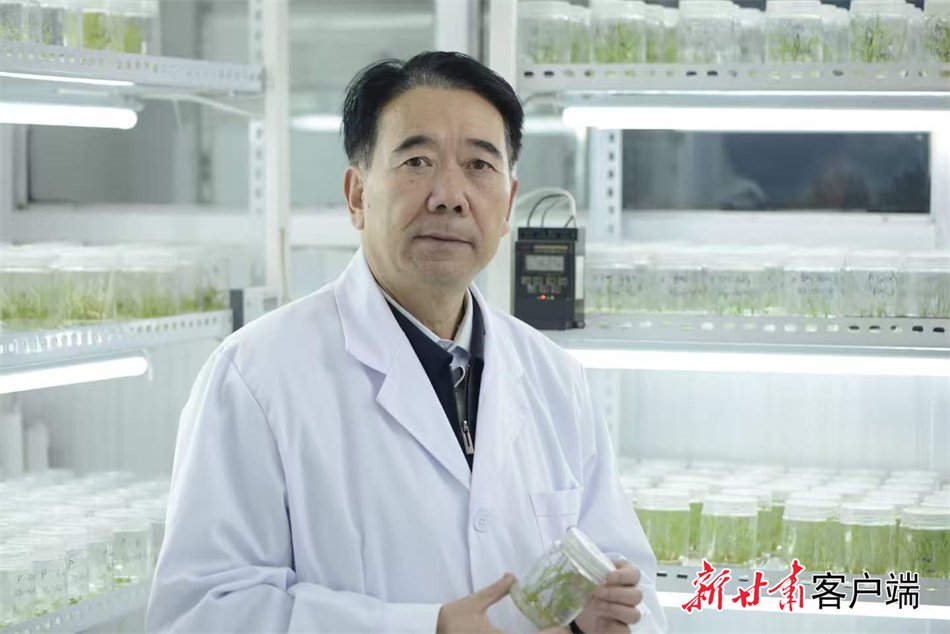
Group 1 - The core viewpoint emphasizes the importance of agricultural innovation and technology in enhancing crop yields and supporting farmers in Gansu province [1][3][4] - Gansu is a significant seed production base in China, contributing nearly 60% of the national corn seed supply, but faces challenges such as weak intellectual property protection and insufficient innovation among enterprises [3][4] - The focus on high-quality agricultural development includes promoting smart water-efficient agriculture and ensuring food security through improved agricultural practices [3][4][6] Group 2 - The commitment to serving farmers is highlighted as a fundamental principle, with practical approaches proposed for grain security, including biological breeding and high-standard farmland construction [4][6] - Initiatives such as the establishment of a water and fertilizer integration technical service team aim to deliver hands-on support to farmers, enhancing their productivity [4][6] - Efforts to include local agricultural products like ginseng fruit and sand onion in the national fresh agricultural product transportation "green channel" are aimed at boosting the market reach of Gansu's specialty products [4][6]
行稳致远开新局|从冰天雪地到创新高地,“黑”土地如何焕新发力?
Yang Guang Wang· 2026-02-27 06:23
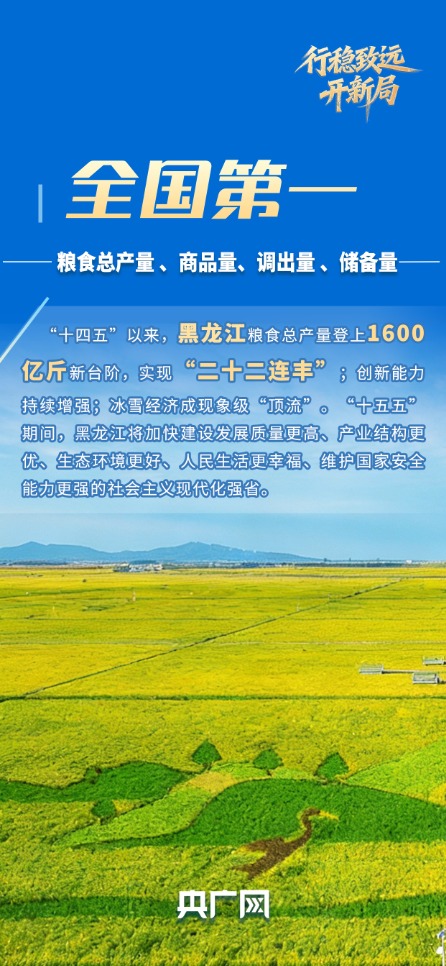
Group 1: Ice and Snow Industry Development - The 27th Harbin Ice and Snow World concluded successfully, showcasing the "Ice and Snow Economy" concept, which emphasizes the transformation of cold resources into economic growth [4][6] - Harbin, as China's first "Double Winter City," is leveraging its ice and snow resources to drive high-quality development, creating a modern industrial system that integrates traditional and emerging industries [7][8] - The ice and snow tourism sector in Heilongjiang province saw a significant increase, with 135.08 million domestic and international visitors in the 2024-2025 season, marking an 18.5% year-on-year growth, and a 30.7% increase in visitor spending [11] Group 2: Technological Advancements in Agriculture - Heilongjiang's agricultural sector is experiencing a technological transformation, with precision farming techniques leading to increased crop yields and efficiency [15][16] - The province achieved a record grain production of 164.006 billion jin in 2025, marking the 22nd consecutive year of growth, with a net increase of 13.19 billion jin compared to 2020 [17] - The implementation of smart agriculture and advanced machinery has resulted in over 99% mechanization in crop harvesting, significantly enhancing productivity [17] Group 3: New Quality Productive Forces - Heilongjiang is focusing on developing strategic emerging industries such as aerospace, electronic information, and high-end equipment, aiming to foster new quality productive forces [21][22] - The province has seen a substantial increase in the number of national key laboratories and high-tech enterprises, indicating a robust innovation ecosystem [22] - The successful application of new technologies in shale oil extraction has improved recovery rates by 5-8%, supporting the growth of the oil industry in Daqing [22]
行稳致远开新局丨从冰天雪地到创新高地,“黑”土地如何焕新发力?
Yang Guang Wang· 2026-02-27 02:58
Group 1: Economic Development and Opportunities - The 27th Harbin Ice and Snow World concluded successfully, showcasing the "Ice and Snow Economy" as a significant driver for local tourism and economic growth [4][8] - Heilongjiang province is transforming its "cold resources" into "hot energy," leveraging its ice and snow industry to boost high-quality development and create a modern industrial system [5][10] - The province's ice and snow tourism saw a total of 135.08 million domestic and international visitors in the 2024-2025 season, marking an 18.5% increase year-on-year, with visitor spending rising by 30.7% [7] Group 2: Technological Advancements in Agriculture - Heilongjiang's agricultural sector is experiencing a technological transformation, with smart agriculture initiatives leading to increased efficiency and productivity [12][16] - The province achieved a total grain production of 164.006 billion jin in 2025, marking a continuous increase and contributing significantly to national grain supply [17] - The implementation of precision farming techniques and smart irrigation systems is enhancing crop yields and resource management [13][16] Group 3: Innovation and New Industries - Heilongjiang is focusing on developing strategic emerging industries such as aerospace, electronic information, and high-end equipment, aiming to foster new quality productivity [21][22] - The province has seen a significant increase in the number of national key laboratories and high-tech enterprises, indicating a robust innovation ecosystem [23] - The establishment of innovation and entrepreneurship ecosystems around universities is facilitating the transformation of scientific research into economic benefits [21][23]