利率检查

Search documents
干预信号来了?纽约联储“利率检查”点燃日元,147-149成新关注区间
Hua Er Jie Jian Wen· 2026-01-27 12:37
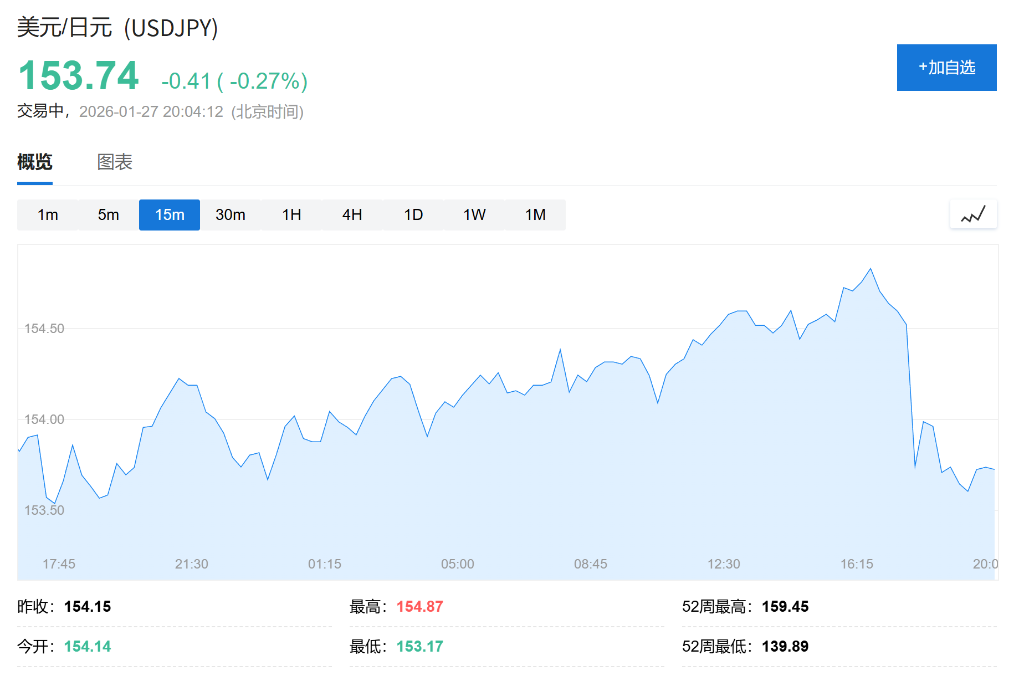
Core Viewpoint - The global foreign exchange market is experiencing significant shifts due to a "verbal intervention" by the U.S. Federal Reserve aimed at the Japanese yen, prompting traders to reassess the outlook for the USD/JPY pair and prepare for potential coordinated currency interventions [1] Group 1: U.S.-Japan Coordination - The recent "rate check" conducted by the New York Fed on behalf of the U.S. Treasury is interpreted as a strong verbal warning of potential coordinated market intervention to support the yen [1][3] - Japanese Finance Minister Shunichi Suzuki's statement indicates that the government is responding to exchange rate fluctuations in line with the spirit of the U.S.-Japan joint statement, reinforcing speculation about coordinated actions [1] Group 2: Market Reactions - The USD/JPY exchange rate fell sharply from a high of 159.23 to below 154, marking one of the largest single-day declines of the year [1] - Analysts noted that the U.S. involvement significantly increased the credibility of intervention threats, leading to a rapid unwinding of short yen positions by traders [2][4] Group 3: Rate Check Significance - A "rate check" is a signal of serious dissatisfaction with exchange rate trends and a warning that actual intervention may follow if necessary [3] - Historical data shows a high probability of actual intervention following a "rate check," with the last notable instance occurring in September 2022 [3] Group 4: New Market Dynamics - The intervention threat has fundamentally altered market sentiment and capital flows, with traders shifting their strategies away from buying USD/JPY below 154 [4][6] - The options market reacted strongly, with short-term risk reversal indicators reflecting high premiums for protecting against a significant appreciation of the yen [6] Group 5: New Equilibrium Levels - Analysts suggest that the 147-149 range may become a key level for attracting substantial buying interest in the medium term, as the intervention is expected to have lasting effects [7] - Goldman Sachs recommends a trading strategy involving binary put spreads with strike prices at 151/147, as the 147 level aligns with the implied fair value of USD/JPY based on 10-year real interest rate differentials [7] Group 6: Long-term Challenges - The intervention does not address the underlying issues of yen weakness, primarily driven by Japan's negative real interest rates and perceived delays in policy normalization by the Bank of Japan [11] - The reliance on external assistance for currency stabilization raises questions about the sustainability of Japan's approach, especially with upcoming elections adding pressure to the situation [12]

日元干预前奏已现,市场或迎“突袭式”行动,紧盯“利率检查”
Hua Er Jie Jian Wen· 2026-01-15 07:55
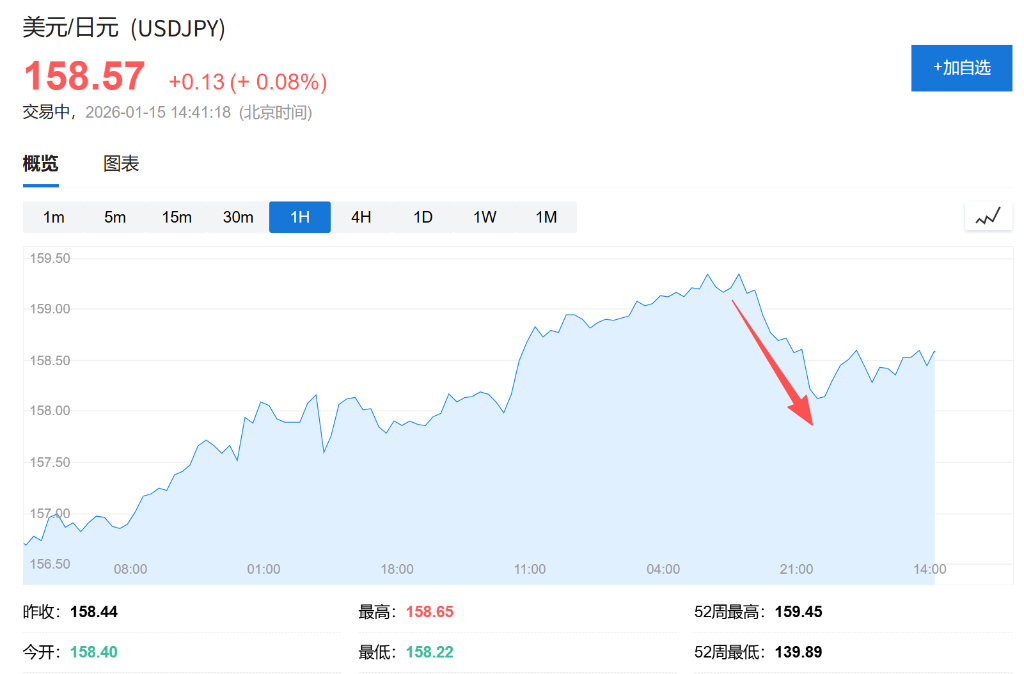
Core Viewpoint - Nomura warns that the rules of intervention by the Japanese Ministry of Finance regarding the yen are changing, indicating a significant increase in intervention risk as market volatility suggests a shift from verbal warnings to tactical preparations [1] Group 1: Market Behavior and Intervention Signals - The sudden drop in USD/JPY during the UK trading session, without any apparent positive news for the yen, is likely a result of a "Rate Check" by the Ministry of Finance, which often precedes actual intervention [4] - Historical context shows that after a similar "Rate Check" on September 14, 2022, the Japanese government intervened with a substantial amount of 2.8382 trillion yen (approximately $19.8 billion) just eight days later, suggesting that current market movements may signal impending intervention [4] Group 2: Caution Against Overreliance on Indicators - Nomura advises against placing too much faith in the so-called "Kanda Line," a set of intervention warning indicators, as no signals are currently active; however, this does not imply a low risk of intervention [5] - The former Finance Minister Kanda acknowledged that intervention decisions are not based on these indicators in an automated manner, highlighting the need for vigilance [5][6] Group 3: Broader Focus on Currency Pairs - The scope of the Ministry of Finance's intervention may be expanding beyond just USD/JPY, as new foreign exchange affairs chief Mimura indicated that authorities are monitoring various currency pairs, not solely focusing on the dollar-yen relationship [7] - Reports suggest that the Ministry conducted a "Rate Check" on EUR/JPY in July 2024, indicating potential alternative intervention strategies to curb yen weakness without directly purchasing yen [7][8] - Historical interventions by Japan around the year 2000 targeting EUR/JPY suggest that investors should be cautious and not solely focus on USD/JPY, as they may be caught off guard by unexpected actions [8]