利益重构

Search documents
【转|太平洋金融-非银深度】资本市场范式转移:险资放量、券商扩表、公募重塑
远峰电子· 2026-03-15 11:54
Summary of Key Points Core Viewpoint - The new "National Nine Articles" and the 5.7 policy framework have ushered the capital market into a "medium to long-term fund-driven" phase, significantly reducing volatility and gradually replacing liquidity speculation with institutional dividends. The focus is on establishing a market ecosystem oriented towards stable returns [1]. Group 1: Long-term Capital Inflow - Insurance capital is transitioning from "sleeping capital" to "active capital," with an increasing equity allocation ratio and a theoretical incremental space that remains considerable, making it a key source of medium to long-term funds in the current market [2]. - The insurance sector's core focus is on "releasing space for insurance capital to enter the market," which is a crucial part of policies encouraging long-term capital inflow [8]. - Policies have been introduced to optimize the equity investment ratio for insurance companies, potentially bringing in trillions in incremental funds as the upper limits for equity investments are raised [18][21]. Group 2: Brokerages and Capital Optimization - Regulatory adjustments have opened up capital space for brokerages, encouraging the development of low-risk capital intermediary businesses and enhancing their investment banking and intermediary functions [3]. - The new regulatory framework positions brokerages as modern comprehensive financial hubs, shifting from mere channel intermediaries to vital players in direct financing for technological innovation and industrial upgrades [30]. - The optimization of risk control indicators has allowed for a more efficient use of capital, benefiting leading brokerages significantly while tightening constraints on smaller firms [43]. Group 3: Public Funds and Fee Structure Reform - The public fund industry is transitioning from a "scale-driven" model to a "return-driven" model, with reforms in fee structures and performance evaluations aimed at enhancing long-term returns [4]. - The introduction of floating fee rates and mandatory co-investment by fund managers is expected to align interests and improve performance consistency [8]. - The public fund sector is also seeing a structural recovery in equity allocations, particularly in financial stocks, as benchmark constraints are strengthened [8]. Group 4: ETF Market Development - The ETF market is experiencing accelerated growth due to policy optimizations aimed at enhancing product supply efficiency and preventing risks associated with product homogeneity [26]. - By the end of 2025, the scale of passive index funds is projected to surpass that of actively managed equity funds, indicating a shift towards passive investment strategies [26]. - The introduction of a rapid registration mechanism for ETFs is expected to significantly improve market efficiency and support the growth of passive investment [28].


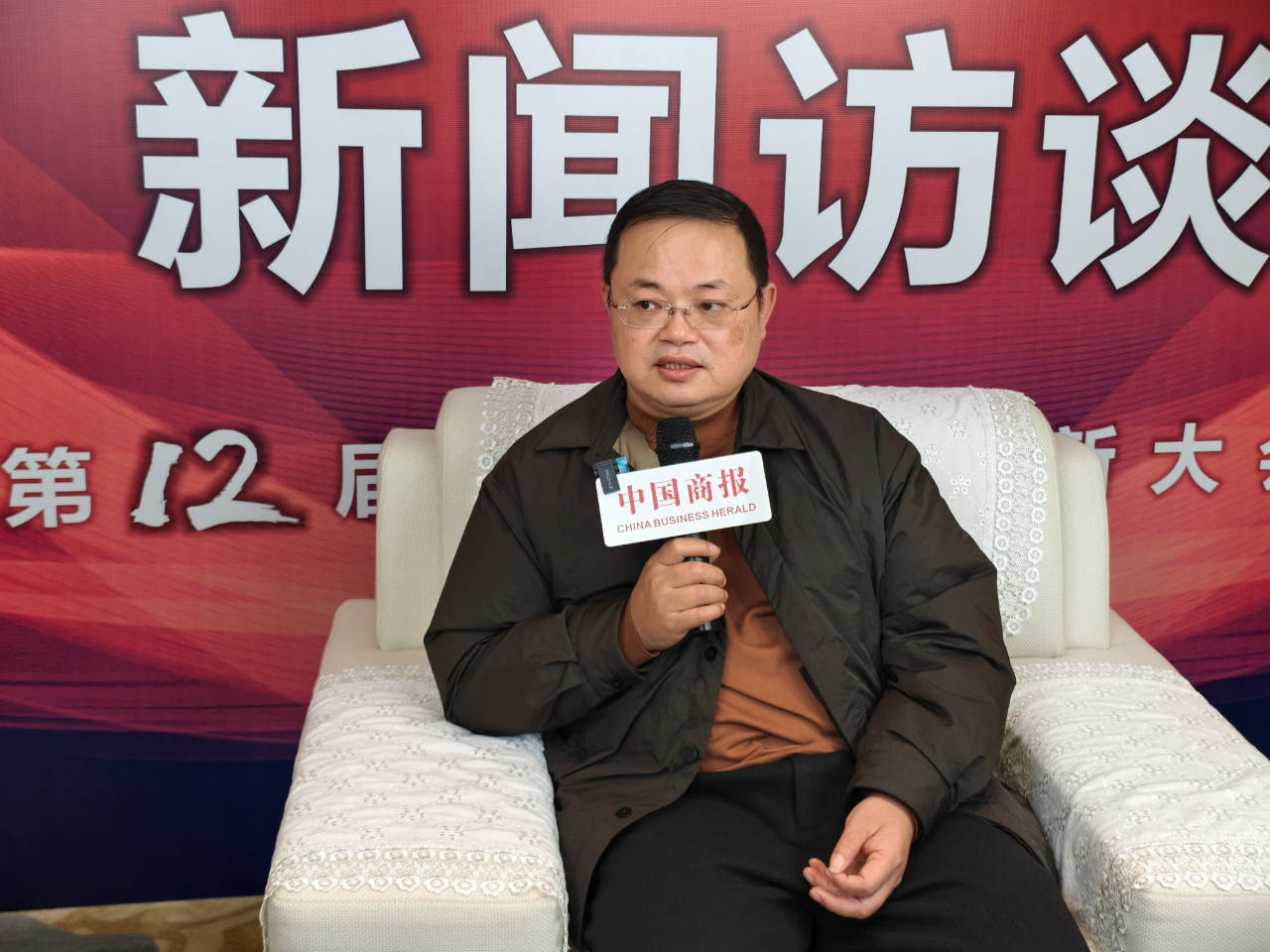
脉链集团董事长徐伟强:以“链式共享”重塑品牌出海新路径
Sou Hu Cai Jing· 2025-12-19 06:35
Core Insights - The chairman of Zhejiang Pailian Pingguan Technology Co., Ltd. emphasizes unprecedented opportunities for Chinese brands to expand internationally, leveraging China's complete industrial clusters and the Belt and Road Initiative [1] - Pailian Group's innovation is characterized by a dual focus on organizational structure and benefit reconstruction, aiming to redefine the "people, goods, and market" dynamics [1] Group 1: Business Model and Strategy - Pailian Group employs a "platform + leading enterprises + local partners" model to systematically reconstruct cross-border "people, goods, and market" dynamics, enhancing the "goods" aspect through integration of upstream manufacturing resources [1] - The company collaborates with local partners to serve as sales service providers in overseas markets, focusing on promotion, channels, and after-sales service, thereby addressing the "market" aspect [1] - A digital platform is central to this model, aiming to eliminate information barriers in cross-border transactions and facilitate collaboration among partners [1] Group 2: Challenges and Solutions - The core challenge identified is the contradiction between fragmented overseas demand and standardized domestic supply, compounded by issues of information asymmetry and insufficient localized service capabilities [2] - Pailian Group shifts the focus from traditional foreign trade centered on "selling goods" to service empowerment, transforming traditional intermediaries into service providers [2] - The company addresses the pain points of small and medium-sized factories by forming cluster advantages through a collaborative model, thus overcoming the limitations of individual efforts in international markets [2] Group 3: Profit Distribution and Future Plans - Pailian Group innovates the profit distribution model by breaking away from the traditional "2:8" profit structure, decomposing profits into five modules: factory, trade, brand service, inventory terms, and local services [2] - The company aims to promote a "4:6/6:4" profit-sharing model to attract more partners into the "chain sharing" ecosystem, ultimately creating a globally influential brand cluster [3] - Future focus areas include enhancing technological innovation in supply chains, deepening local resource integration, and promoting global implementation of benefit reconstruction [3]