
制度环境

Search documents
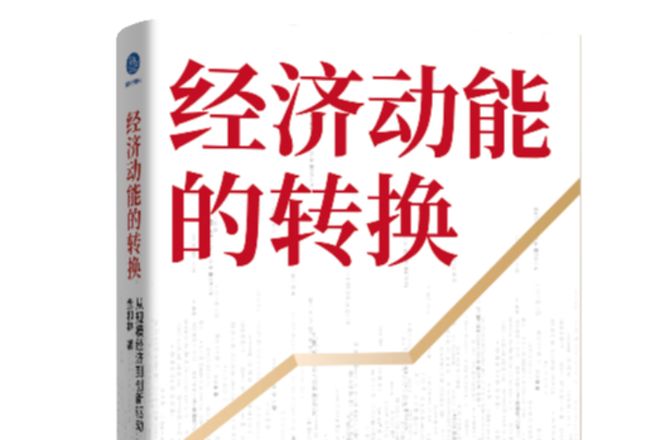
书评|跨越焦虑走向未来:高质量发展的底层逻辑
Nan Fang Du Shi Bao· 2026-01-27 09:37
Core Insights - The article discusses the complex emotions surrounding the recovery of the Chinese economy in 2026, highlighting a shift from rapid growth to concerns about sustainable development [2] - It emphasizes the need for a transition from traditional growth models based on scale and resource exploitation to innovation-driven growth [6][7] Historical Context - The first part of the referenced book reviews over 40 years of China's economic success, attributing it largely to scale economies and resource-driven growth [3] - The author notes that the previous growth model relied on mobilizing production factors and land resources, which has now reached its limits due to diminishing returns [4] Current Challenges - The book identifies six major challenges facing the Chinese economy today, including the need for redistribution, anti-involution, new urbanization, financial globalization, global leadership, and innovation-driven development [6] - It points out that the slowdown in urbanization and the diminishing role of real estate as an economic driver are significant issues [5] Future Directions - The transition from factor-driven to efficiency-driven growth is emphasized, with a focus on improving the quality of development rather than merely increasing wealth [6] - The importance of innovation is highlighted, with a call for breakthroughs in productivity and the emergence of original growth paths, as exemplified by the rise of domestic AI models like DeepSeek [6][7] Institutional Environment - The author stresses that innovation must be nurtured within a supportive institutional framework that encourages risk-taking and protects property rights [7] - A shift in government roles is necessary, moving from direct economic involvement to ensuring a fair competitive environment [7] Economic Resilience - Despite current challenges such as debt pressure and external restrictions, the article conveys confidence in the resilience of the Chinese economy [8] - The transition to a new economic phase will require a focus on technological advancement and institutional optimization, marking a departure from past reliance on land and credit [8]

陈春花:共生理念——组织范式的转变
Jing Ji Guan Cha Bao· 2025-06-27 00:26
Group 1 - The core idea of the article revolves around the transformation of organizational paradigms in response to changes in both technological and institutional environments [1][8] - The first variable is the technological environment, where digital technology has created new scenarios for human activities, allowing interpersonal interactions and self-awareness to contribute to economic activities [3][4] - The second variable is the institutional environment, which emphasizes that organizations are shaped not only by technology but also by institutional constraints that dictate their survival [8][10] Group 2 - The shift in time value due to technological advancements has altered perceptions of wealth production and work orientation, leading to generational differences in values and work attitudes [5][7] - The new organizational landscape is characterized by a "symbiotic existence," where organizations must adapt to a collaborative evolution mechanism rather than a competitive one [13][20] - The concept of "shared ideology" within organizations is crucial, as it shapes behavior and influences the collective memory and categorization of individuals within the organization [26][27] Group 3 - The new organizational paradigm, termed "symbiotic ideology," emphasizes mutual subjectivity, co-creation of value, and overall evolution among stakeholders [28][29] - The formal definition of organizations is undergoing a fundamental change, shifting from profit maximization to meaning maximization, and from internal boundaries to external collaboration [29][30] - The social construction of organizations is evolving towards interdependence and the strength of symbiosis, reflecting the need for organizations to adapt to societal changes [31][32]