劳动力人力资本总量

Search documents
全国劳动力人口平均年龄达39.66岁
Di Yi Cai Jing Zi Xun· 2025-12-14 04:55
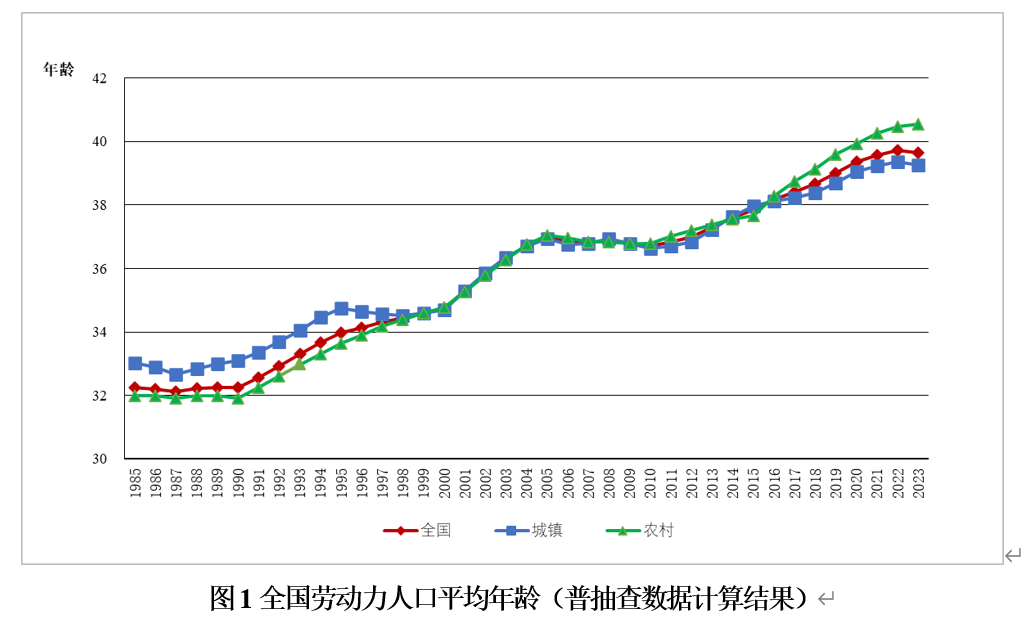
Core Insights - China's aging process is advancing, with the average age of the labor force increasing while the total number of laborers is declining [2][3] - The total human capital of China's labor force reached 112.61 trillion yuan in 2023, up from 88.61 trillion yuan in 2022, indicating a shift from quantity to quality in labor [3] Labor Force Demographics - The average age of the national labor force in 2023 is 39.66 years, with rural males averaging 41.60 years and rural females 39.06 years [2] - From 1985 to 2023, the average age of the labor force increased from 32.25 years to 39.66 years, with urban areas rising from 33.03 years to 39.25 years and rural areas from 31.99 years to 40.54 years [2] Human Capital Growth - Despite the aging population and declining numbers, the total human capital continues to grow due to improved education levels among the workforce, particularly among new entrants [3] - The provinces with the highest human capital are Guangdong, Jiangsu, Shandong, Zhejiang, and Henan, while the lowest are Gansu, Hainan, Ningxia, Tibet, and Qinghai [4] Future Population Trends - The proportion of the population aged 0-15 has decreased from 38.61% in 1985 to 22.71% in 2023, while the proportion aged 46 to retirement age has increased from 10.44% to 23.80% [7] - The decline in the youth population indicates future labor force age structure changes, prompting systemic policy interventions to enhance birth rates and optimize population quality [7]

全国劳动力人口平均年龄达39.66岁
第一财经· 2025-12-14 04:48
Core Viewpoint - China's aging population is transitioning towards a mature stage, with a continuous decline in the labor force and an increase in the average age of workers [3][4]. Group 1: Labor Force Demographics - The average age of the labor force in China reached 39.66 years in 2023, with rural males averaging 41.60 years and rural females 39.06 years [3]. - From 1985 to 2023, the average age of the labor force increased from 32.25 years to 39.66 years, with urban areas rising from 33.03 years to 39.25 years and rural areas from 31.99 years to 40.54 years [3][4]. Group 2: Human Capital Growth - In 2023, the total human capital of China's labor force was valued at 112.61 trillion yuan, an increase of 24 trillion yuan from 88.61 trillion yuan in 2022 [4]. - The growth in human capital is attributed to the overall improvement in education levels among the labor force, particularly among new entrants compared to retiring workers [4]. Group 3: Population Structure Changes - The proportion of the population aged 0-15 years has been declining, from 38.61% in 1985 to 22.71% in 2023, while the proportion of those aged 46 to retirement age increased from 10.44% to 23.80% [9]. - The changes in the age structure indicate a future reduction in the labor population, prompting the need for systemic policy interventions to optimize age structure and enhance fertility rates [10]. Group 4: Regional Human Capital Distribution - The provinces with the highest total human capital are Guangdong, Jiangsu, Shandong, Zhejiang, and Henan, while the lowest are Gansu, Hainan, Ningxia, Tibet, and Qinghai [8].
中国人力资本报告:全国劳动力人口平均年龄达39.66岁
Di Yi Cai Jing· 2025-12-14 01:32
Core Insights - China's labor force is experiencing an aging trend, with the average age rising from 32.25 years in 1985 to 39.66 years in 2023 [1][2] - The report indicates a shift from a "quantity advantage" to a "quality and structural advantage" in the labor market, as the country seeks to harness a "new demographic dividend" [5] Labor Force Age Statistics - The average age of the national labor force in 2023 is 39.66 years, with rural males averaging 41.60 years and rural females 39.06 years; urban males average 40.26 years and urban females 38.07 years [2] - The average age in urban areas increased from 33.03 years to 39.25 years, while in rural areas it rose from 31.99 years to 40.54 years from 1985 to 2023 [2] Human Capital Growth - The total human capital of China's labor force reached 112.61 trillion yuan in 2023, an increase of 24.00 trillion yuan from 88.61 trillion yuan in 2022 [5] - The growth in human capital is attributed to the overall improvement in education levels among the workforce, particularly among new entrants compared to retirees [5] Regional Human Capital Rankings - Guangdong ranks first in human capital among provinces, followed by Jiangsu, Shandong, Zhejiang, and Henan; the lowest-ranked provinces are Gansu, Hainan, Ningxia, Tibet, and Qinghai [7] Population Structure Changes - The proportion of the population aged 0-15 years has decreased from 38.61% in 1985 to 22.71% in 2023, while the proportion of those aged 46 to retirement age has increased from 10.44% to 23.80% [8] - The decline in the younger population indicates future labor force age structure trends, with expectations of further reductions in the labor population [9] Policy Implications - The government is implementing systematic policy interventions and cultural guidance to optimize the age structure and quality of the population, aiming to create a family-friendly society to enhance birth rates and support sustainable economic development [9]