化妆品质量安全

Search documents
“舒王”3批次牙膏抽检不合格,备案公司已注销,关联方仍在销售
Bei Ke Cai Jing· 2026-01-23 11:47
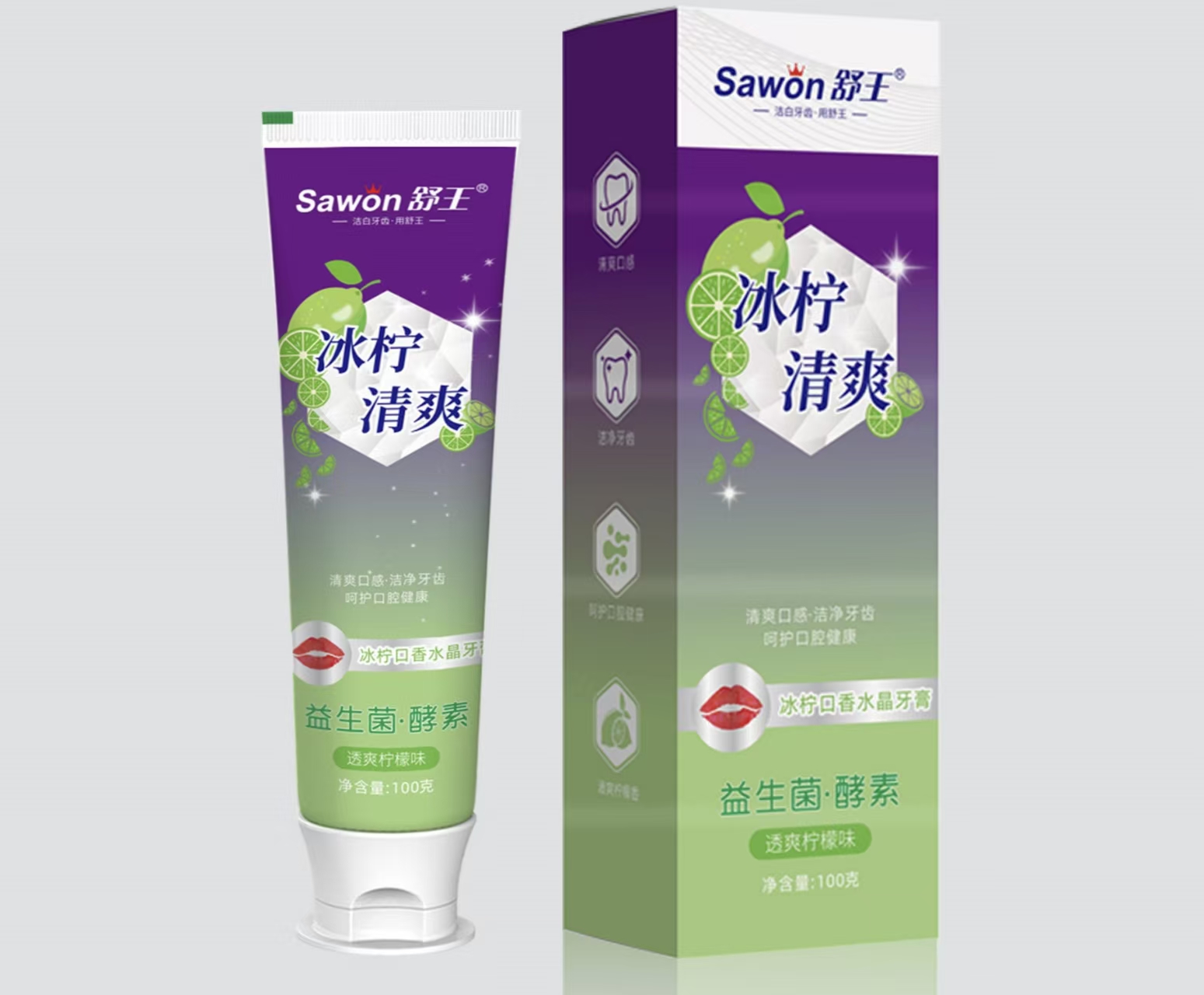
国家药品监督管理局近日公布45批次不符合规定化妆品,标称广州今晨日化有限公司备案、广州完美日化科技有限公司生产的3批次"舒王"牙膏,菌落总数 超标,且检出"不得检出"的铜绿假单胞菌。其中1批次"舒王"清新牙膏菌落总数检出值是标准最大限值的260倍。 天眼查显示,目前两家涉事公司均已受到行政处罚。广州今晨日化有限公司已于2026年1月注销,但该公司关联方、同一实控人名下的另一家企业——今晨 (广州)个人护理用品有限公司目前仍处于存续状态,并在电商平台销售"舒王"多个系列牙膏,其中就包含涉事系列不同批次产品。 3批次"舒王"牙膏抽检不合格 通报显示,标称广州今晨日化有限公司备案、广州完美日化科技有限公司生产的1批次"舒王"苏打盐白牙膏(留香薄荷)(100g,标示限期使用日期/保质 期:20290304),菌落总数检出值为4600CFU/g,是标准规定最大限值(500CFU/g)的9.2倍;同时检出铜绿假单胞菌,而标准规定是"不得检出"。 值得关注的是,该批次抽检不合格牙膏抽样来自柳州市柳南区伊饰美百货商行,该商家销售的另外2批次"舒王"牙膏也存在菌落总数、铜绿假单胞菌不合格 问题。其中,"舒王"清新牙膏(双重薄荷 ...

韩束两款面膜被指“非法添加”,客服:相关商品已下架
Bei Ke Cai Jing· 2025-12-25 15:06
Group 1 - Han Shu, a brand under Shangmei Co., reported an annual revenue of 5.591 billion yuan, with a year-on-year growth of 80.9% [4] - The brand's products, specifically the Han Shu Rich Tightening Essence Mask and the Han Shu Brightening Mask, were found to contain epidermal growth factor (EGF) at levels of 0.07 pg/g and 3.21 pg/g respectively, which violates quality standards [1][3] - EGF is primarily used in medical fields for treating burns and wounds, and its use in cosmetics is prohibited due to safety concerns related to skin absorption [2][3] Group 2 - As of the report, Han Shu's official flagship store has 9.26 million followers and annual sales exceeding 10 million units [3] - The products in question have been removed from the store, and customer service provided no further explanation regarding the detection of EGF [3]
朵望婴童护肤品检出致癌物质!客服:涉事产品已召回并销毁
Nan Fang Du Shi Bao· 2025-12-17 08:55
Core Viewpoint - The National Medical Products Administration announced that 37 batches of non-compliant cosmetics were found, including products from the brand "Duo Wang," which contained the carcinogenic substance "acrylamide" [1][2] Group 1: Product Compliance Issues - A batch of "Duo Wang" baby skincare products was found to contain acrylamide, exceeding the allowed limit of 0.1 mg/kg, with a detected level of 0.31 mg/kg [1] - Acrylamide is classified as a Group 2A carcinogen by the World Health Organization and is listed as a prohibited substance in the 2015 version of the "Cosmetic Safety Technical Specifications" [1] Group 2: Company Response - The customer service of Duo Wang stated that the issue was related to a single batch, which has been fully recalled and destroyed [2] - The company, Shanghai Duo Wang Industrial Co., Ltd., was unreachable for comment when contacted by reporters [2] Group 3: Company Background - Duo Wang was established in 2005 and specializes in functional washing and care products for infants and young children [2] - In 2023, the company upgraded its core formula for special care products, launching a series tailored for infants aged 0-6 years with sensitive skin [2]
济南市市场监督管理局关于化妆品监督抽检结果的通告
Zhong Guo Zhi Liang Xin Wen Wang· 2025-12-08 08:41
Core Viewpoint - The Jinan Market Supervision Administration has conducted a comprehensive quality inspection of cosmetics to ensure public health and safety, sampling 130 batches across various categories including makeup, skincare, and children's products [2]. Group 1: Inspection Overview - The inspection began in September 2025 and covered nine categories of cosmetics, including hair dye, makeup, skincare, children's skincare, sunscreen, masks, bath products, perfumes, and eye creams [2]. - Sampling points included markets, supermarkets, beauty salons, hotels, specialty stores, pharmacies, and online shops within the jurisdiction [2]. Group 2: Testing Results - The inspection involved testing for microbiological content, heavy metals, and sunscreen agents among other parameters [2]. - Specific products tested included items from various companies, with notable findings such as the presence of heavy metals like mercury, lead, arsenic, and cadmium in some samples [3][4][5]. - The results indicated that several products failed to meet safety standards, particularly in categories like children's skincare and makeup [3][4][5].
化妆品检出禁用成分苏丹红?科颜氏、听研、且初、花西子回应
Nan Fang Du Shi Bao· 2025-10-24 00:58
Core Viewpoint - The recent detection of Sudan Red, a banned substance, in various cosmetic products has raised public concern, leading to responses from affected brands regarding product safety and testing procedures [1][3]. Group 1: Detection of Sudan Red - "老爸评测" reported that multiple cosmetic products tested positive for Sudan Red, with one product showing a concentration of 1170 ppm [1]. - The testing revealed that several products contained Sudan Red IV, with concentrations ranging from 435 to 1982 µg/kg [1]. - The source of Sudan Red was traced to a red ingredient that also included extracts from Eclipta Prostrata, Melia Azadirachta, and Moringa Oleifera, which are not commonly found together in products [1][2]. Group 2: Testing Methods and Regulations - The detection of Sudan Red was unexpected as it is not part of the routine testing parameters for cosmetics, which typically include heavy metals and microbial counts [2]. - Three methods for detecting Sudan Red are established, with detection limits of 50 µg/kg, 1 µg/kg, and 3 µg/kg, respectively [2]. - The testing method used was GB/T29663-2013, which is specifically designed for measuring Sudan Red in cosmetics [2]. Group 3: Brand Responses - Brands such as Kiehl's, Huaxizi, and Farmacy have stated that their products comply with relevant laws and regulations, ensuring quality and safety [3][4]. - Several brands have initiated urgent product testing to verify the absence of Sudan Red and will publicly disclose the results once available [4]. - The brands emphasize that products sold through authorized channels are safe for consumer use [3][4].
赫山区市场监管部门为“美丽消费”护航
Sou Hu Cai Jing· 2025-07-29 23:16
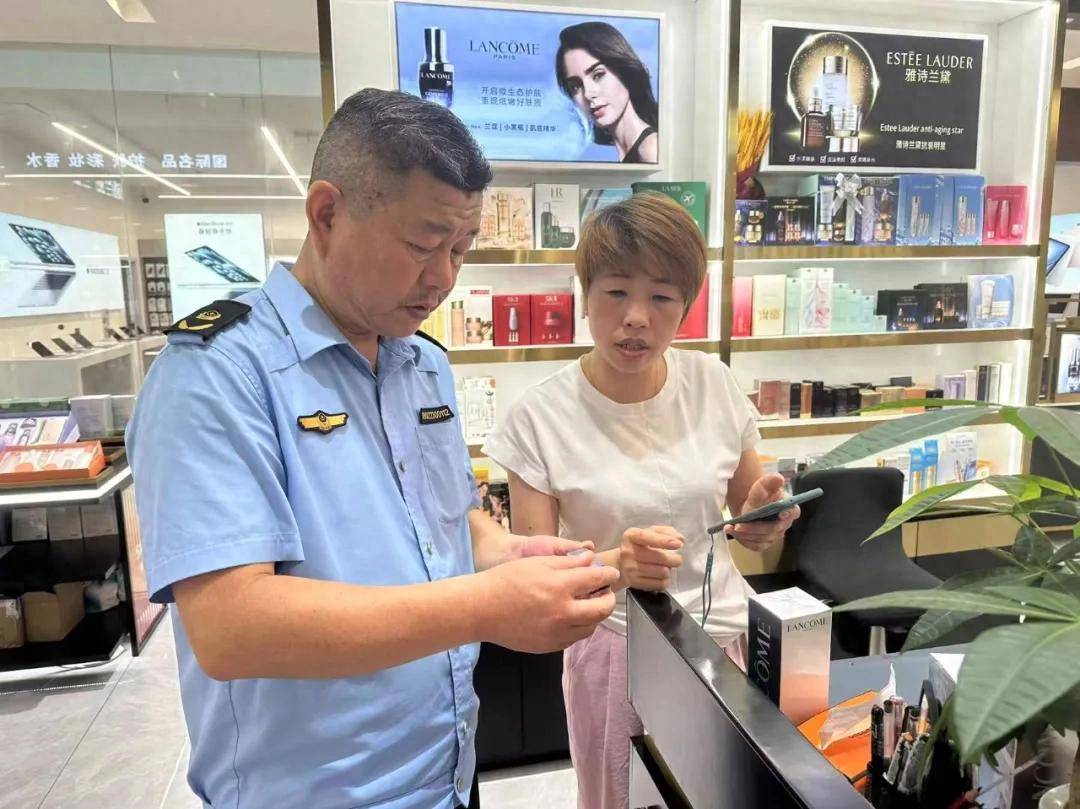
Core Viewpoint - The article discusses a special inspection conducted by the market supervision authority in Heshan District, focusing on the compliance and safety of cosmetic products sold in a Walmart store, emphasizing the importance of consumer safety in cosmetic usage [1] Group 1: Compliance Checks - The inspection focused on whether cosmetic businesses established proper purchase and acceptance records, and whether they had complete documentation, especially for imported cosmetics requiring inspection and quarantine certificates or import clearance documents [1] - The authorities checked if the products were registered and filed, not expired, and whether there were any announcements regarding counterfeit cosmetics from the national bureau [1] - Labeling and packaging compliance were also scrutinized to ensure they met regulatory standards [1] Group 2: Advertising Practices - Inspectors evaluated promotional materials within the store, including posters and electronic screens, to identify any exaggerated claims or false advertising regarding the efficacy of the cosmetics [1] - Businesses were warned against using explicit or implicit medical claims in their advertising [1] Group 3: Consumer Education and Industry Self-Regulation - During the inspection, the authorities enhanced public awareness by promoting safe cosmetic usage and educating businesses about the Cosmetic Supervision and Administration Regulations and related laws [1] - The initiative aimed to strengthen industry self-regulation and reinforce the responsibility of cosmetic businesses as the "first responsible person" to ensure consumer safety [1]