
北极涡旋

Search documents
北半球今冬气温起伏明显的背后
中国能源报· 2026-01-20 14:13
Core Viewpoint - The article discusses the significant fluctuations in winter temperatures in the Northern Hemisphere, particularly in Northeast China and North America, attributing these changes to the polar vortex [1][3]. Group 1: Polar Vortex - The polar vortex is identified as the source of cold air, influencing both the accumulation and dynamics of cold air [1]. - A strong polar vortex keeps cold air contained, making it difficult for cold air to move southward [1]. - When the polar vortex weakens, it can lead to a southward movement of cold air, resulting in cold waves [3]. Group 2: Global Warming Impact - There is a theory suggesting that global warming reduces the temperature difference between warm and cold regions, leading to a weakened circulation that allows cold air to descend [3]. - This phenomenon implies that during global warming, the frequency of cold events may actually increase, contrary to common expectations [3].


今年“三九”不冷是不是错觉?国家气候中心回应
Xin Lang Cai Jing· 2026-01-15 15:18
Core Viewpoint - The winter of 2025-2026 has experienced higher than average temperatures across most of China, with the national average temperature recorded at -2.1°C, which is 1.5°C higher than the historical average, marking the second highest since 1961 [1][3]. Temperature Distribution - Most regions in China, except for parts of northern Northeast China, northeastern Inner Mongolia, and western Yunnan, have temperatures close to or above the historical average. Hubei and Hunan provinces recorded the highest temperatures since 1961, while Shandong, Shaanxi, Shanxi, Jiangxi, and Henan provinces recorded the second highest [3]. Causes of Higher Temperatures - The higher temperatures are attributed to a weak polar vortex and a lack of blocking high pressure in the Ural Mountains, leading to a weaker East Asian winter monsoon. This results in a reduced intensity of cold air affecting China, with its path shifting north and east [3][4]. - Additionally, the weakened subtropical high in the western Pacific and the Indian-Myanmar trough have led to less tropical moisture being transported to China, contributing to lower precipitation in southern regions [3][4]. Relation to La Niña - The current winter's higher temperatures are linked to global warming trends rather than La Niña events, which historically have been associated with lower temperatures in China. Since 1961, the average winter temperature in China has increased at a rate of 0.4°C per decade [4]. Impacts of Higher Temperatures - Health impacts include increased activity of pathogens, potentially raising the risk of infectious diseases in spring. Fluctuating temperatures may exacerbate respiratory and cardiovascular issues, and allergy sufferers may experience earlier symptoms due to pollen release [5]. - In agriculture, higher temperatures benefit the overwintering of crops like winter wheat and rapeseed, but may also lead to early pest outbreaks and increased risk of spring droughts due to accelerated soil moisture evaporation [5].
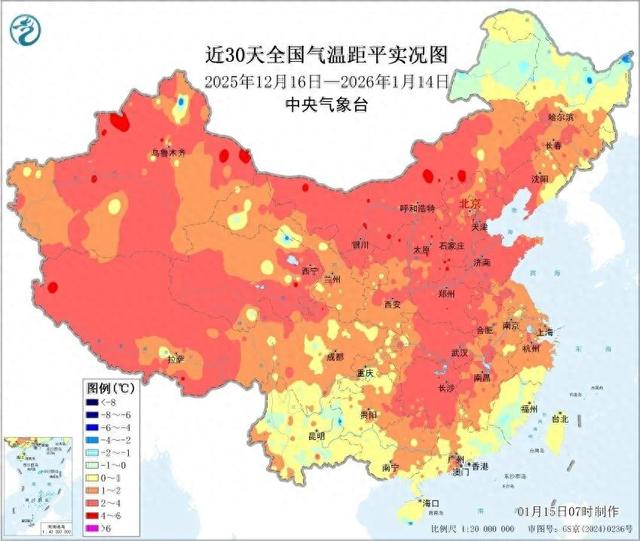
入冬以来中国平均气温历史第二高 专家解析成因
Zhong Guo Xin Wen Wang· 2026-01-15 14:08
Core Viewpoint - The average temperature in China since the beginning of winter has been the second highest on record, with significant regional variations and multiple contributing factors identified [1][2]. Group 1: Temperature Data - The national average temperature from December 1, 2025, to January 13, 2026, was -2.1°C, which is 1.5°C higher than the historical average, marking the second highest since 1961 [1]. - Most regions in China experienced temperatures close to or above the historical average, with Hubei and Hunan provinces recording the highest temperatures since 1961, while five provinces including Shandong and Shaanxi had the second highest [1]. - The northeastern region and parts of Inner Mongolia and western Yunnan were the only areas with lower than average temperatures [1]. Group 2: Causes of Temperature Increase - The warm winter temperatures are attributed to a weakened Arctic vortex and a lack of active blocking high pressure in the Ural Mountains, leading to a reduced intensity of cold air affecting China [1][2]. - The influence of global warming is also noted, with an average increase of 0.4°C every decade since 1961 for winter temperatures in China, and a trend of warmer winters during La Niña years [2]. - Other factors influencing winter climate include Arctic sea ice, snow cover, and mid-to-high latitude atmospheric circulation systems, indicating a multi-factorial impact on temperature variations [2].
寒潮来袭,“速冻”模式如何应对?
Xin Hua She· 2025-12-08 07:12
Group 1: Weather Impact - A significant cold wave has affected multiple regions in northern China, with temperature drops of 10 to 20 degrees Celsius reported in areas like Liaoning from November 28 to December 5 [2][4] - The cold wave is characterized by a large temperature drop and frequent fluctuations, attributed to the strengthening of the polar vortex [2][3] - A new round of cold air is expected to impact northern regions from December 7 to 8, with temperature drops of 4 to 6 degrees Celsius, followed by another wave from December 10 to 13, causing drops of 6 to 10 degrees Celsius [3] Group 2: Agricultural Response - The cold wave poses challenges for agricultural production, particularly for winter wheat, which is currently in a critical growth stage [4][5] - Agricultural experts are providing technical guidance to farmers to enhance the cold resistance of winter wheat, including measures like covering crops and adjusting irrigation [4][7] - The cold temperatures may adversely affect greenhouse crops, especially temperature-sensitive vegetables, leading to potential growth stagnation and damage [5][7] Group 3: Snow Sports Industry - The cold weather has spurred interest in snow sports, with ski resorts across the country opening for the season, and some resorts reporting a daily capacity of nearly 100,000 visitors [8][10] - New offerings, such as combined ski and hot spring packages, are expected to increase visitor numbers by 20% [8] - Safety measures are emphasized in snow sports, with recommendations for proper protective gear to prevent injuries during activities [10]
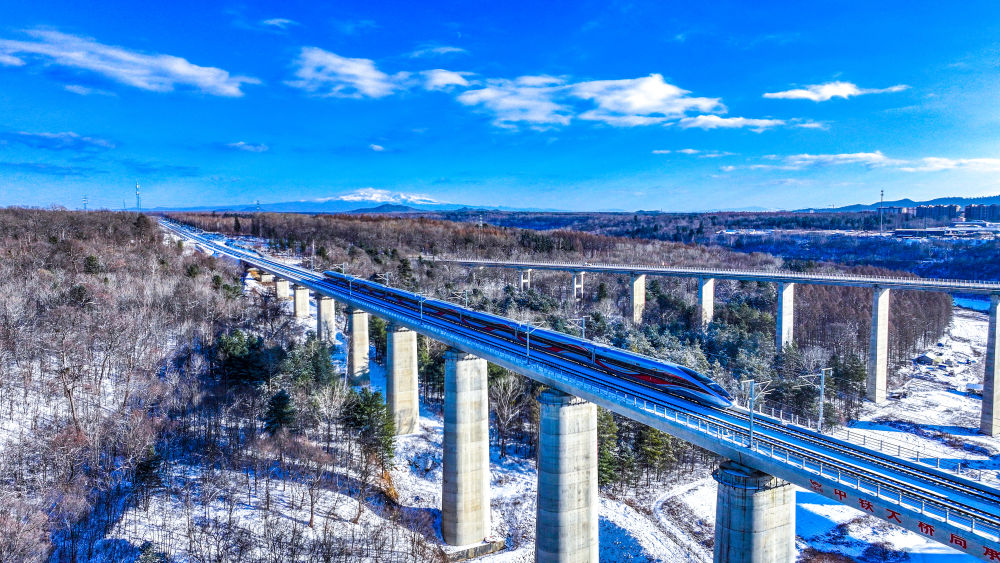
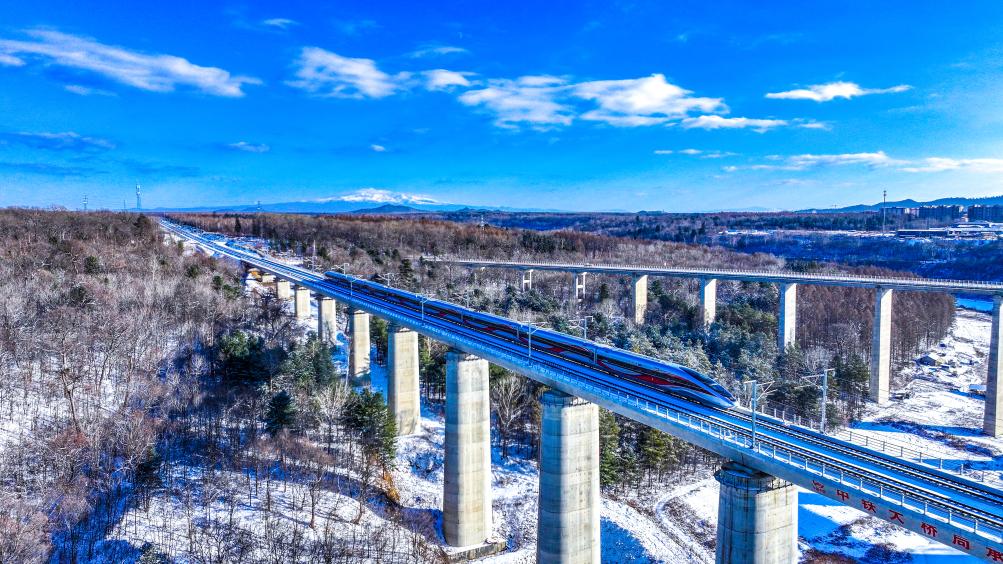
寒潮来袭,北方多地开启“速冻”模式,看辽宁如何应对
Xin Hua She· 2025-12-08 02:11
Group 1: Weather Impact - A significant cold wave has affected multiple regions in northern China, with temperature drops of 10 to 20 degrees Celsius reported in areas like Liaoning from late November to early December [2][4] - The cold wave is characterized by a large temperature drop and frequent fluctuations, attributed to the strengthening of the polar vortex, which has intensified the cold air system [2][3] Group 2: Agricultural Response - The cold temperatures pose challenges for agricultural production, particularly for winter wheat, which is currently in a critical growth stage [4] - Agricultural experts are providing technical guidance to farmers to enhance the cold resistance of winter wheat, including measures like covering crops and adjusting irrigation practices [4][5][7] Group 3: Vegetable Supply Concerns - The cold wave, although short-lived, has a significant impact on vegetable production, especially for temperature-sensitive crops like eggplants and melons, which may suffer from growth stagnation and frost damage [5][7] Group 4: Snow Sports Industry - The cold weather has boosted interest in snow sports, with ski resorts in Liaoning reporting a daily capacity of nearly 100,000 visitors [8] - Ski resorts are offering immersive packages to attract visitors, with expectations of a 20% increase in reception [8] Group 5: Safety in Snow Sports - While snow sports are popular, safety measures are emphasized, including the use of professional protective gear to prevent injuries [10] - Proper techniques for falling during skiing are advised to minimize the risk of injuries, highlighting the importance of safety in the growing snow sports industry [10]
“极冷”冷涡系统形成!寒潮+大风双预警
证券时报· 2025-12-02 14:00
Core Viewpoint - The article discusses the impact of a cold wave affecting various regions in China, with temperatures dropping significantly, particularly in the northeast and northern areas, while also forecasting a subsequent temperature rebound. Summary by Sections - **Cold Wave Impact**: The article highlights that as of December 2, extreme cold weather has been recorded in northeastern regions, with temperatures dropping below -30℃ in parts of Inner Mongolia and Heilongjiang [1]. - **Temperature Forecast**: It is expected that on December 3, many northern areas will experience further drops, with temperatures reaching as low as -20℃ in several locations [1]. In contrast, southern regions will see a shift from previously high temperatures to much lower ones, with maximum temperatures around 10℃ [1]. - **Temperature Recovery**: Following the cold wave, temperatures are predicted to rebound significantly by the weekend, with increases of 6 to 10℃ in many areas, and up to 15℃ in northeastern regions, bringing temperatures above 0℃ [5]. - **Wind Alerts**: The Central Meteorological Observatory issued blue wind alerts, predicting winds of 5-6 levels in several northern regions and stronger winds of 7-8 levels in various sea areas, including the Taiwan Strait [7][8]. - **Cold Wave Warning**: A blue cold wave warning was issued, indicating a temperature drop of 6-8℃ in regions such as Huanghuai, Jianghuai, and parts of Jiangnan, with some areas experiencing drops exceeding 10℃ [10].
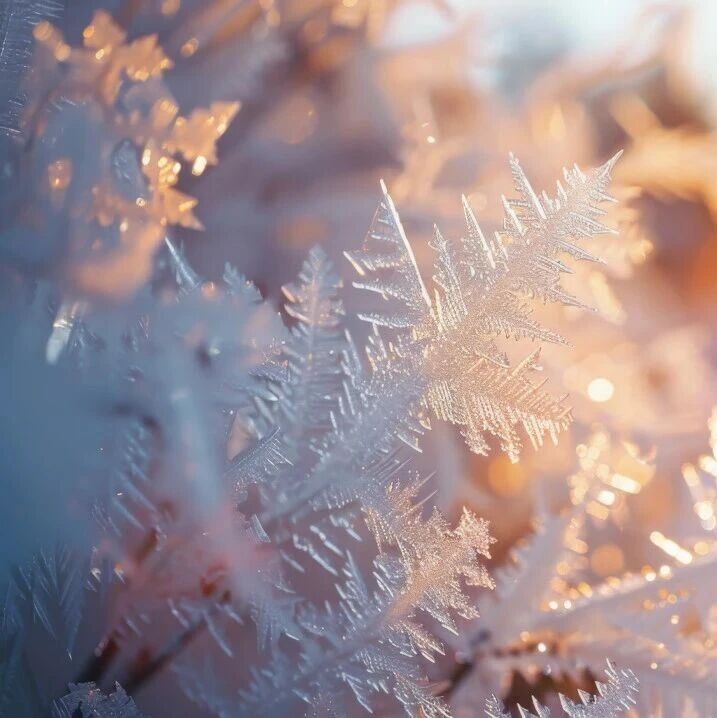
冬季气候展望:迎峰度冬将至,今年冷冬概率几何
2025-10-21 15:00
Summary of Key Points from the Conference Call Industry Overview - The conference call discusses the climate outlook for the winter of 2025 in China, focusing on temperature and precipitation patterns influenced by various climatic phenomena such as La Niña and the Indian Ocean Dipole. Core Insights and Arguments 1. **Temperature Trends**: The overall winter of 2025 is expected to be relatively warm, with average temperatures close to or slightly above the long-term average. However, certain regions, particularly in the northeast and southeast, may experience cooler conditions [5][19][22]. 2. **Precipitation Patterns**: There is a significant disparity in precipitation across regions, with northern areas like Shandong and Henan experiencing more than double the usual rainfall, while southern regions, particularly in Jiangnan and northern South China, are expected to see reduced rainfall [4][14]. 3. **La Niña Impact**: The likelihood of a La Niña event forming this winter is uncertain, but if it occurs, it could lead to increased cold air outbreaks and affect agricultural production and energy demand [5][7][20]. 4. **Cold Air Frequency**: The frequency of cold air outbreaks is expected to be higher in December and February, with January being relatively stable and warmer. The average winter temperature is projected to be close to the long-term average, but extreme cold events may still occur [15][22]. 5. **Regional Variability**: The western regions are predicted to be warmer, while the eastern and northeastern areas may experience slightly lower temperatures. The overall trend indicates that the northern regions will have more precipitation compared to the south [3][13][14]. 6. **Climate Change Effects**: The ongoing global warming trend is expected to lead to more frequent fluctuations between cold and warm periods, increasing uncertainty in weather patterns and energy consumption needs [20][21]. Other Important but Overlooked Content 1. **Agricultural Impact**: The persistent rainy weather has negatively affected crop production, particularly in regions like Shandong and Henan, where corn has been reported to rot due to excessive moisture [4]. 2. **Energy Supply Concerns**: While the energy supply pressure for the 2025-26 heating season is expected to be manageable, specific assessments of heating demand under varying weather conditions have not been conducted [21]. 3. **Historical Context**: The long-term trend shows an increase in average winter temperatures since 1961, with a warming rate of approximately 0.4 degrees Celsius per decade, indicating a shift towards warmer winters overall [5]. This summary encapsulates the key points discussed in the conference call regarding the climate outlook for winter 2025, highlighting the expected temperature and precipitation trends, the potential impact of La Niña, and the implications for agriculture and energy supply.