医疗监测产业转型

Search documents
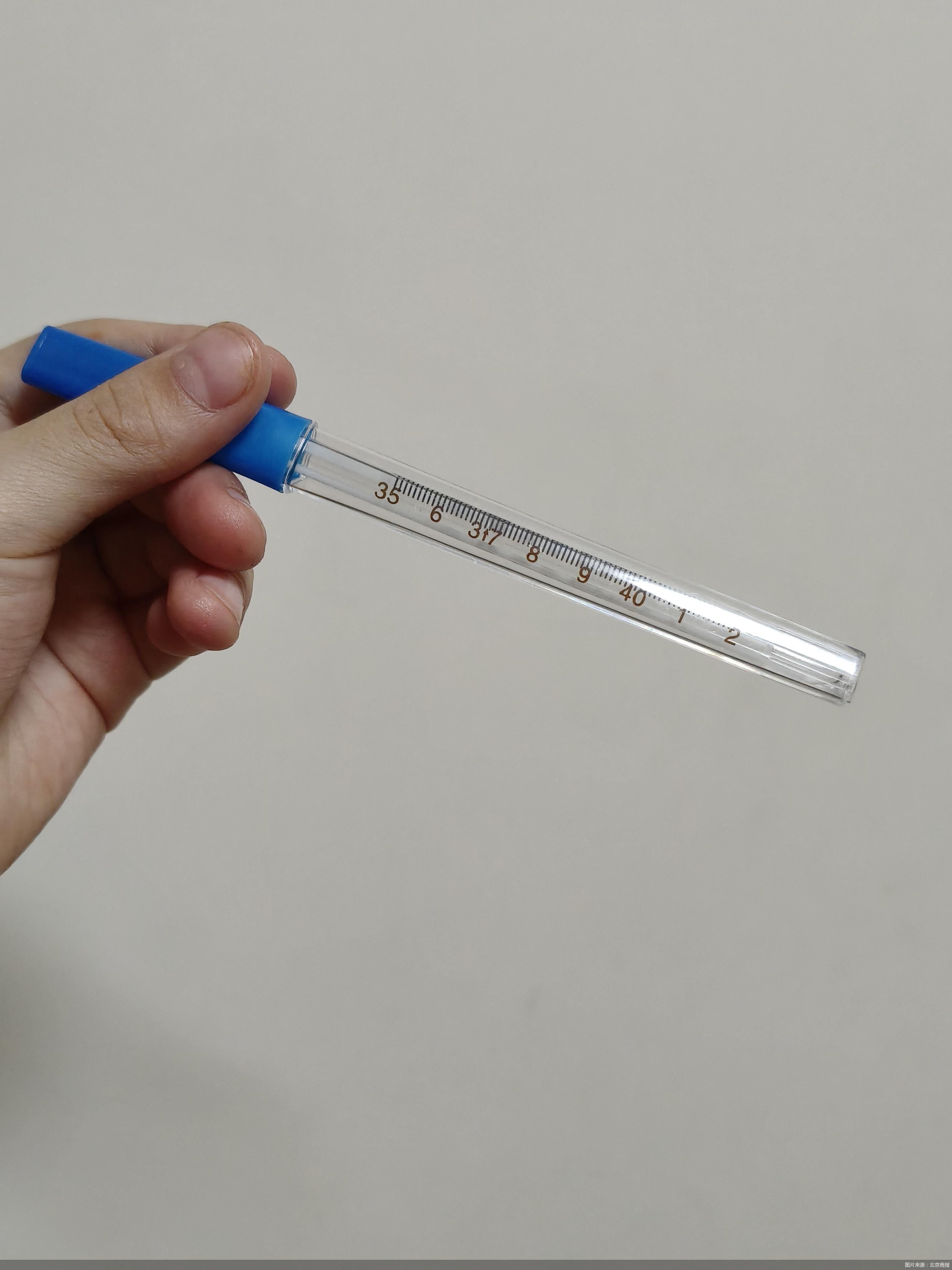
水银体温计血压计禁产背后:谁能代替
Bei Jing Shang Bao· 2025-12-09 13:12
Core Viewpoint - The production of mercury thermometers and sphygmomanometers will be banned starting January 1, 2024, as part of China's commitment to the Minamata Convention on Mercury, leading to a transition towards electronic medical devices and a shift in the healthcare industry towards high-value digital health ecosystems [1][7]. Group 1: Market Trends - The market for smart thermometers in China reached 1.55 billion yuan in 2021, with a year-on-year growth of 23%, and is projected to grow to 2.13 billion yuan by the end of 2023, reflecting a compound annual growth rate of 13.8% [5]. - Over 80% of young consumers prefer electronic thermometers and sphygmomanometers, while more than half of middle-aged and elderly consumers also choose electronic devices due to their convenience [5]. Group 2: Consumer Perspectives - Many consumers express a strong trust in traditional mercury measuring devices, with concerns about the accuracy of electronic alternatives, particularly among families with young children [4]. - Some consumers have found electronic devices to be more user-friendly and practical compared to mercury devices, indicating a shift in consumer preferences [4]. Group 3: Technological Transition - The ban on mercury devices is expected to drive the medical device industry in China from low-cost glass manufacturing to high-value digital healthcare solutions, integrating sensor technology, microelectronics, and software development [7][8]. - Electronic devices have achieved clinically acceptable accuracy through advancements in sensor technology and algorithms, although there are still scenarios where mercury devices may outperform them [7][8]. Group 4: Future Innovations - The market is seeing the emergence of innovative alternatives such as infrared thermometers, wearable continuous temperature monitoring patches, and integrated devices that measure multiple health parameters [8]. - The integration of smart connectivity in modern devices allows for continuous health monitoring and personalized health recommendations, marking a significant shift from passive measurement to active health management [8].